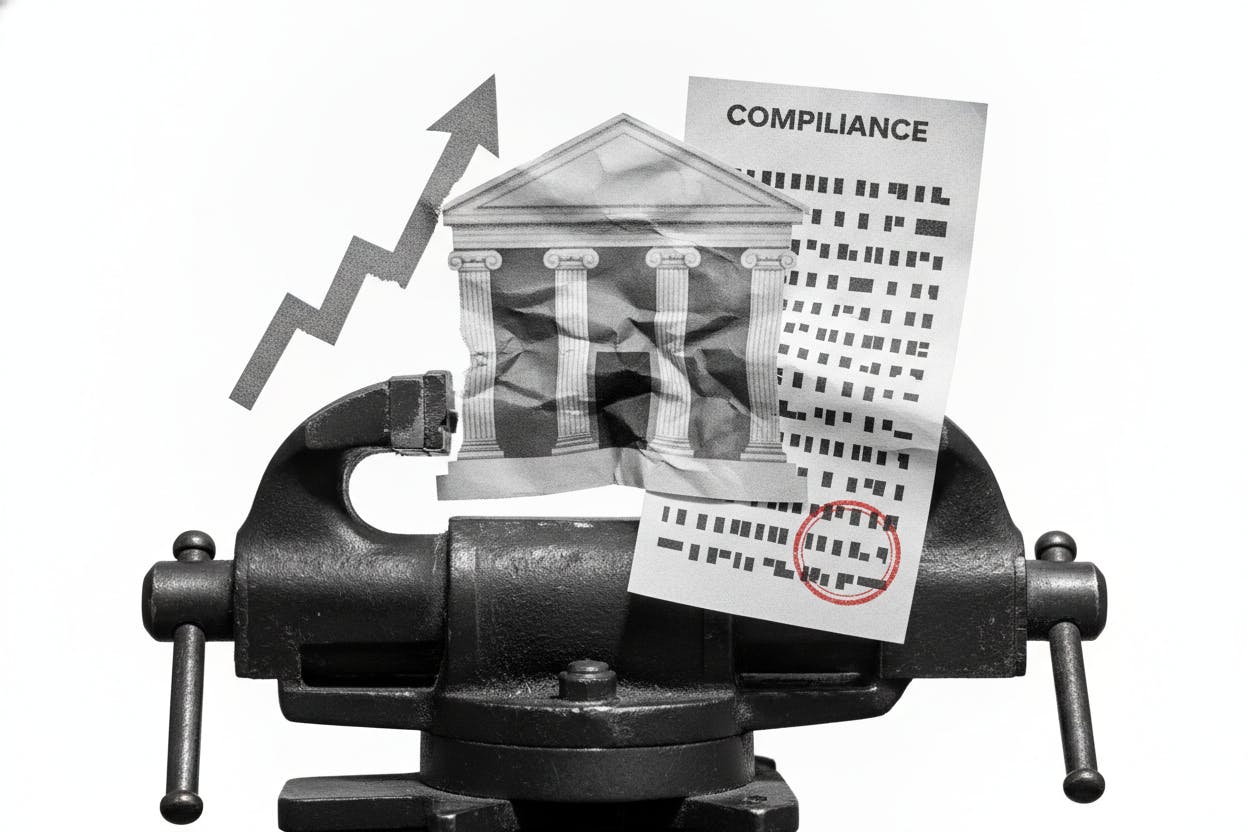
Bank stocks slipped on Tuesday as the 10-year US Treasury yield climbed to 4.67% and compliance worries returned to the forefront, according to press reports. The moves come as investors weigh the dual impact of higher yields and fresh regulatory concerns on the financial sector.
What's driving the move?
The rise in the 10-year Treasury yield is a key factor. Higher yields often help banks earn more on loans, as they can charge higher interest rates on lending. But they also raise the 'risk-free' return investors can get from government bonds, which can pull money out of riskier assets like stocks. That tension was on display as financial stocks edged lower even while yields rose.
The bigger hit came from trust. Bloomberg reported that Deutsche Bank, Germany's largest lender, and KBC, a Belgian bank, froze some accounts tied to Singapore-based commodity trader Radiant World. The freeze is part of a broader compliance crackdown, and it has raised concerns about the banking sector's exposure to potential money-laundering or sanctions issues.
Separately, JPMorgan, the largest US bank by assets, is facing a federal probe, according to press reports. The nature of the probe was not detailed in the brief, but any regulatory investigation can weigh on a bank's stock as investors worry about potential fines or reputational damage.
Why compliance matters
Compliance issues are not new to the banking industry. Banks are required to monitor transactions for suspicious activity and to ensure they are not facilitating money laundering or violating sanctions. When banks fail to do so, they can face hefty penalties and regulatory scrutiny. The recent freeze of accounts tied to Radiant World suggests that banks are being more vigilant, but it also highlights the risks that remain.
For investors, compliance problems can be a double-edged sword. On one hand, they can lead to fines and legal costs. On the other, they can signal that a bank is taking its regulatory obligations seriously, which might reduce the risk of future problems. But in the short term, news of a probe or account freeze tends to spook investors.
What it means for investors
For everyday investors, the key takeaway is that bank stocks are sensitive to both interest rates and regulatory news. Higher yields can be a positive for banks' net interest margins, but they can also create market volatility. Compliance issues add another layer of uncertainty.
If you hold bank stocks or funds that invest in them, it's worth keeping an eye on these developments. The sector is likely to remain in focus as investors digest the implications of the yield move and the regulatory headlines. As always, diversification is important, and it's wise not to overreact to short-term news.
For those looking to understand the broader market, the rise in Treasury yields is also a signal. It suggests that investors are expecting higher inflation or stronger economic growth, which could influence everything from mortgage rates to corporate borrowing costs. Stocks slip as oil jumps 3.5% and bond yields climb is a related story that shows how these forces can affect equities.
In the banking sector, banks and miners pull back from iron ore trader Radiant World, which is directly relevant to the current situation. The account freezes are part of a broader pullback from this trader, and it's a reminder that commodity trading can be a source of risk for banks.
Looking ahead, investors will be watching for more details on the JPMorgan probe and any further developments in the Radiant World case. They'll also be monitoring Treasury yields, which could continue to move depending on economic data and Federal Reserve policy expectations. Treasury holds auction sizes steady, will use bills for surprises is a useful background piece on how the government manages its debt, which can affect yields.
In the meantime, the banking sector's performance will likely be tied to these factors. As always, it's important to focus on the long-term fundamentals of the companies you invest in, rather than getting caught up in daily headlines.