European investment bank Berenberg kept a hold rating on Iberdrola on Tuesday, even as the Spanish utility outlined a massive €58 billion capital expenditure plan for 2025-2028. The bank raised its price target to €20.50 from €19, but did not upgrade the stock, arguing that the market has already priced in much of the expected growth from the company's grid-heavy investment push.
The decision highlights a common tension in utility investing: a strong business plan does not always translate into a strong stock return if the price already reflects the good news.
Grids Take Center Stage
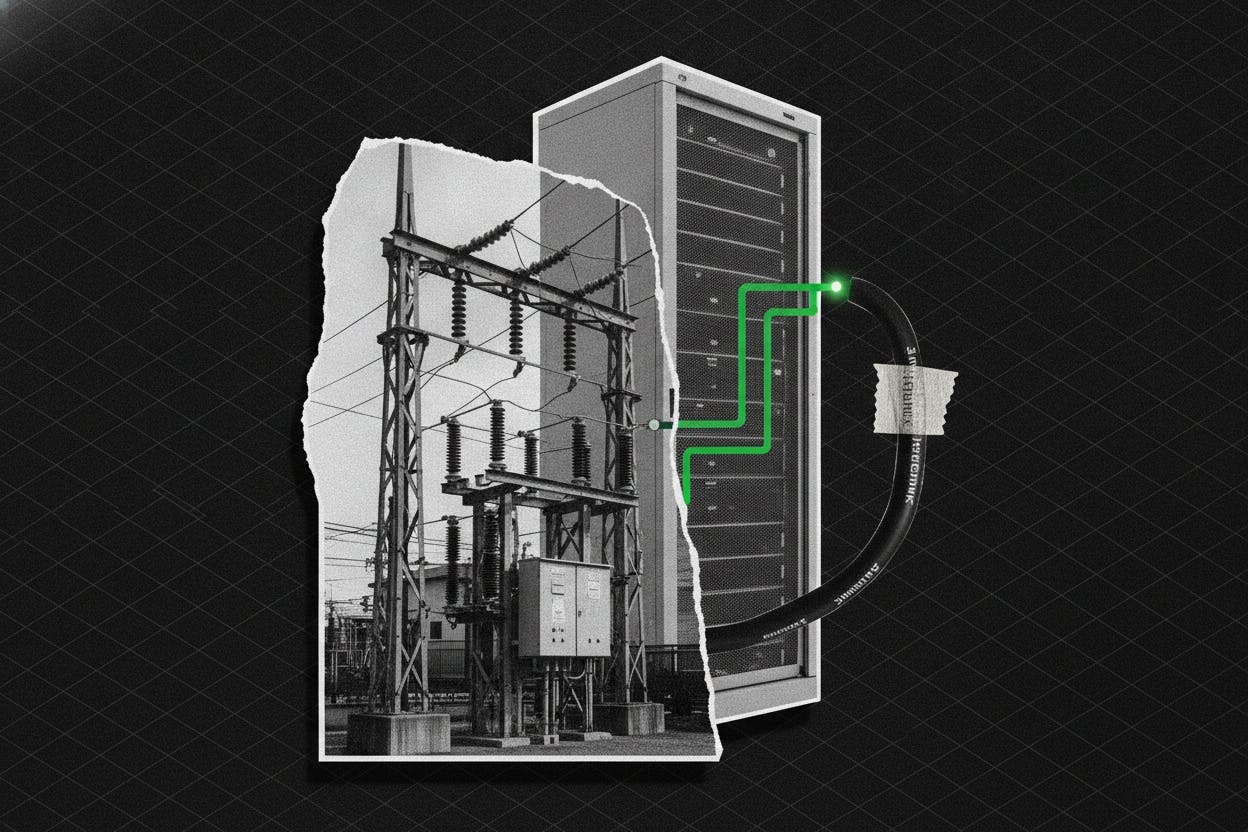
Iberdrola plans to spend roughly €37 billion of its €58 billion total on regulated electricity networks, primarily in the UK and the United States. These are the poles, wires, and substations that deliver power to homes and businesses. Unlike power generation, where profits depend on volatile electricity prices, regulated grid assets earn a return set by government regulators. That makes the revenue stream more predictable and less exposed to market swings.
Berenberg expects this spending to grow Iberdrola's regulated asset base (RAB) by about 10% annually from 2025 through 2031. RAB is the value of the infrastructure on which the company earns its regulated return. Among the bank's peer group of European utilities, only UK-based SSE is expected to grow its RAB faster.
The grid investment cycle is long-lived and politically difficult to stop, given the need to upgrade aging infrastructure and connect new renewable energy projects. That gives Iberdrola's plan a degree of visibility that many other capital spending programs lack.
Earnings Growth, But at a Price
Berenberg's analysis suggests the grid spending, combined with a steady build-out of renewable energy capacity, should drive earnings before interest, taxes, depreciation, and amortization (EBITDA) growth of roughly 6% annually over the next several years. Earnings per share (EPS) could grow at about 7% per year over the same period. The bank raised its 2026-2028 EPS estimates accordingly.
Yet the rating stayed at hold. The reason is valuation. Iberdrola's stock already trades at a level that assumes this growth will happen. When investors pay a premium for predictable cash flows, better forecasts do not automatically create upside. The share price can stay flat even as the company executes well.
This dynamic is not unique to Iberdrola. Across the utility sector, stocks have rallied in recent years as investors sought stable income in a low-growth environment. But that demand has pushed valuations to levels where future returns may be more modest.
What It Means for Investors
For everyday investors, the Berenberg call is a reminder that a company's operational strength and its stock market performance are not the same thing. Iberdrola's €58 billion plan is a vote of confidence in the long-term need for grid investment. But whether that creates value for shareholders depends on what they pay for the stock today.
Several factors could change the equation. If regulators in the UK or US increase the allowed returns on grid assets, Iberdrola's earnings could accelerate. Lower financing costs would also help, since utilities are heavy borrowers. Or the company could find ways to convert its €37 billion grid spend into faster cash generation. Until then, the share price reaction to more investment may remain muted.
Berenberg's stance echoes a broader theme in markets right now: good news does not always move stocks, especially when expectations are already high. For a utility like Iberdrola, the challenge is not building the grids—it is convincing investors that the price is right.
For more on how market sentiment can diverge from company fundamentals, see our coverage of Nestlé: AI Cuts Costs and Coffee Prices May Drop, But Timing Matters and Morgan Stanley Cuts Mosaic's 2027 Profit Forecast.