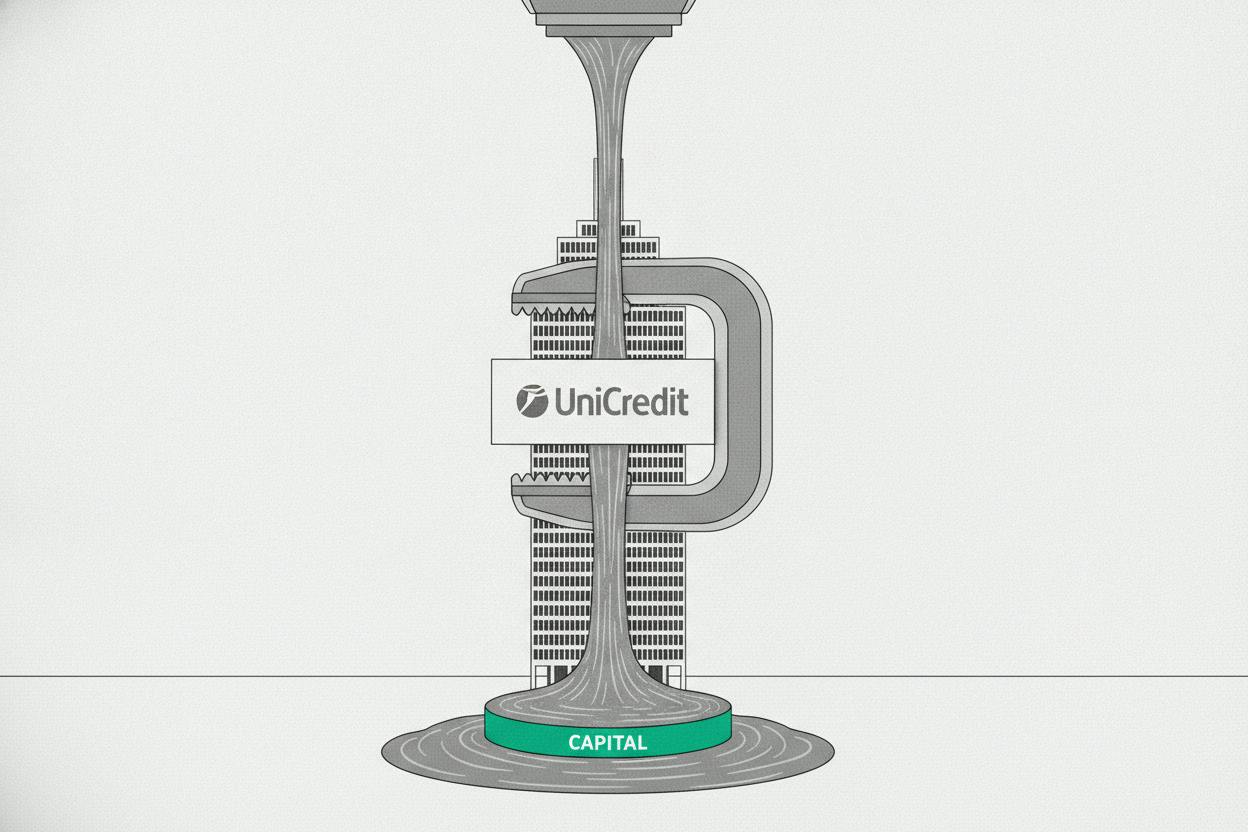
Germany is turning up the pressure on UniCredit's chief executive, Andrea Orcel, demanding that the Italian lender put its commitments on jobs, Frankfurt decision-making, and financing for the Mittelstand—Germany's backbone of small and mid-sized businesses—into writing. The request comes as UniCredit edges closer to taking control of Commerzbank, one of Germany's largest banks.
Berlin's push reflects deep unease in the German government about the prospect of a foreign bank gaining significant influence over a lender that plays a central role in the country's economy. While UniCredit has repeatedly signaled its intentions, German officials want formal, binding assurances before any further steps are taken.
What's at stake for Commerzbank
Commerzbank is not just any bank. It is a key lender to German businesses, particularly the Mittelstand—the thousands of small and medium-sized enterprises that form the core of the country's industrial strength. For many of these firms, Commerzbank is a vital source of credit, and any change in ownership could affect how easily they can access financing.
The German government is also concerned about jobs. Commerzbank employs tens of thousands of people, and there is anxiety that a takeover could lead to branch closures and redundancies as UniCredit seeks to cut costs and integrate operations. Frankfurt, where Commerzbank is headquartered, is a symbol of German banking, and Berlin wants to ensure that key decisions continue to be made there rather than in Milan.
UniCredit's CEO, Andrea Orcel, has been vocal about his ambitions for Commerzbank. He has already pushed for changes in the bank's leadership, seeking to replace the CEO and chairman as part of a broader strategy to reshape the bank. Berlin's demand for written commitments is seen as an attempt to slow down or shape that process.
Why Berlin has leverage
Germany still holds a significant stake in Commerzbank, a remnant of the financial crisis bailout. That stake gives the government a seat at the table and a say in how the bank is run. While Berlin has signaled it is open to reducing its holding, it is using its position to extract guarantees from UniCredit.
The government's leverage is not unlimited, however. UniCredit has been steadily building its stake in Commerzbank through market purchases, and it already holds a substantial position. If it continues on this path, it could eventually force a change in control without needing the government's blessing. But a hostile takeover would be messy and politically fraught, so both sides have an incentive to negotiate.
Germany's concerns are not just about Commerzbank itself. The broader economic backdrop is fragile, with growth forecasts for 2026 having been upgraded but long-term challenges persisting. A stable banking sector is seen as crucial for supporting the economy, and any disruption could have ripple effects.
What it means for investors
For investors, the outcome of this standoff matters on several levels. First, it will determine the future structure of Commerzbank—whether it remains a largely German institution or becomes part of a larger European banking group. That could affect the bank's profitability, its dividend policy, and its strategic direction.
Second, the negotiations could set a precedent for cross-border banking deals in Europe. If UniCredit succeeds in gaining control with conditions attached, it might encourage other banks to pursue similar acquisitions. If it fails, it could deter future consolidation.
For shareholders of UniCredit, the stakes are high. Orcel has built a reputation as a dealmaker, and a successful integration of Commerzbank could boost earnings. But the process is fraught with risk, including political interference and the challenge of merging two distinct corporate cultures.
For Commerzbank shareholders, the situation is more uncertain. The bank's stock has been volatile as investors weigh the potential for a takeover premium against the risk of disruption. The demand for written commitments could be seen as a positive sign that the government is trying to protect the bank's long-term health, but it could also delay a deal that some investors want to see completed quickly.
In the near term, all eyes will be on UniCredit's next moves. Orcel has already signaled he may call an extraordinary general meeting in January to push for board changes. How Berlin responds to that will be a key test of its resolve.
For now, the message from Berlin is clear: if UniCredit wants control of Commerzbank, it must be prepared to make promises it can keep—and put them in writing.