BHP Group faces a potential disruption at its key iron ore export hub after workers at Port Hedland in Western Australia flagged an eight-hour work stoppage scheduled for July 16. The industrial action, reported by Reuters, could interrupt roughly A$120 million of daily iron ore revenue as pay negotiations drag on.
What's Happening at Port Hedland?
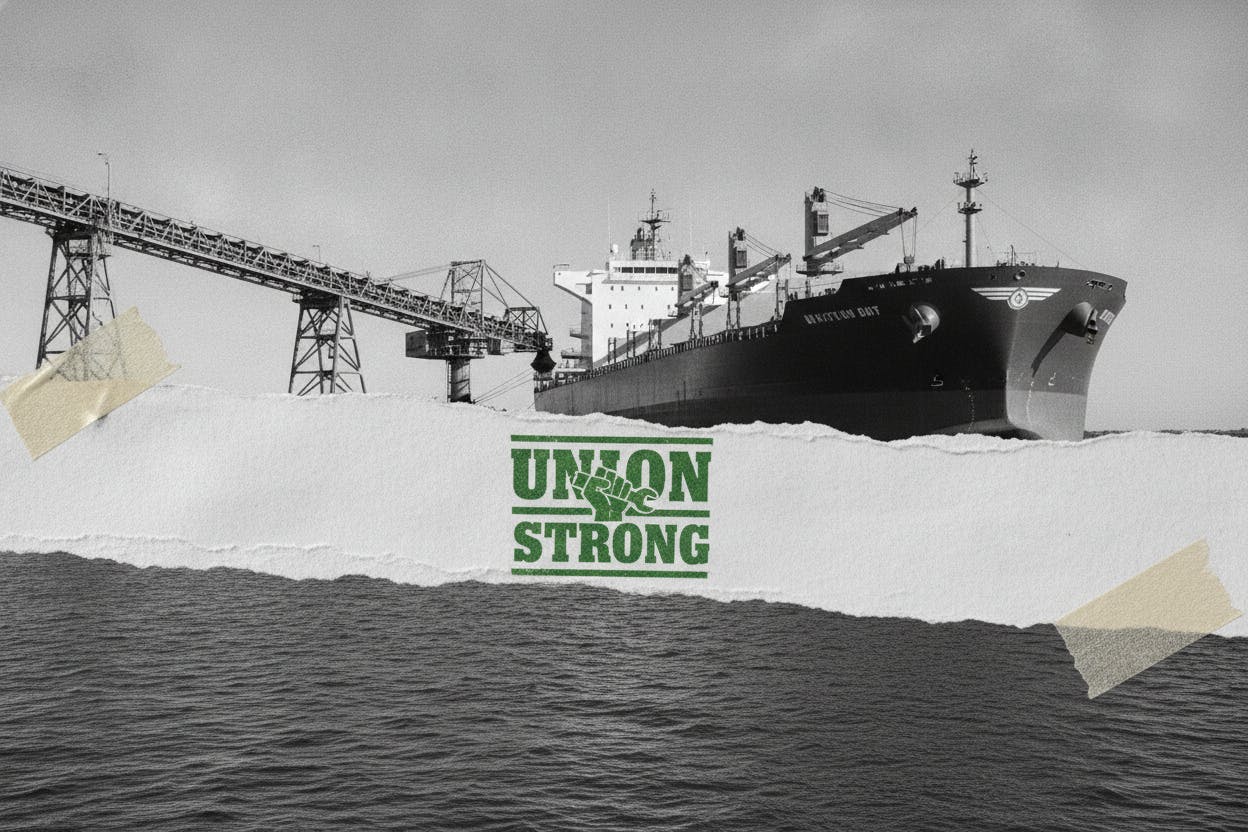
Port Hedland is one of the world's largest bulk export ports and a critical link in BHP's iron ore supply chain. The facility handles massive volumes of the steelmaking raw material, with daily shipments worth hundreds of millions of dollars. The planned eight-hour stoppage, while relatively short, could still cause significant logistical delays and revenue losses.
The workers, represented by unions, are pushing for improved pay and conditions. The stoppage is a sign that talks have not yet reached a resolution, and further actions could follow if no agreement is reached. BHP has not yet commented on the potential impact or contingency plans.
Why Iron Ore Matters
Iron ore is Australia's largest export commodity and a major driver of the country's economy. BHP is one of the world's top three iron ore producers, alongside Rio Tinto and Fortescue Metals Group. The commodity's price has been volatile in recent years, influenced by demand from China's steel sector and global economic conditions.
For BHP, iron ore accounts for a substantial portion of its revenue and profit. Any disruption at Port Hedland could affect the company's ability to meet delivery schedules, potentially impacting customer relationships and short-term earnings. However, BHP has diversified operations across other commodities, including copper and coal, which may help cushion the blow.
What It Means for Investors
For everyday investors, this news highlights the operational risks that mining companies face, from labor disputes to supply chain disruptions. While a single eight-hour stoppage is unlikely to have a lasting impact on BHP's share price, it could signal deeper tensions that might lead to longer strikes or higher labor costs.
Investors should watch for updates on the pay talks and any signs of escalation. If the stoppage is resolved quickly, the impact on BHP's financials will likely be minimal. However, prolonged industrial action could weigh on the stock, especially if iron ore prices are already under pressure.
It's also worth noting that BHP's diversified portfolio provides some buffer. The company has investments in other commodities and regions, which can offset disruptions in one area. For example, BHP's copper operations in Chile and its energy assets in the US and Australia contribute to its overall earnings stability.
In the broader context, labor disputes are not uncommon in the mining industry, particularly in Australia where unions are active. Similar stoppages have occurred at other miners in the past, often resolved through negotiation or arbitration. Investors should not overreact to a single event but remain aware of the potential for further disruptions.
Looking Ahead
The July 16 stoppage is a key date to watch. If the pay talks remain deadlocked, workers may plan additional actions, which could have a more significant impact on BHP's operations and revenue. The company will likely provide updates on its contingency plans and any progress in negotiations.
For now, the market's reaction will depend on how BHP manages the situation and whether the stoppage leads to broader disruptions. Investors should keep an eye on iron ore prices and BHP's stock performance in the coming weeks.
In related news, other mining companies have faced similar challenges. For instance, Minerals 260 recently boosted its gold resource, showing that operational updates can move stocks. Meanwhile, Telstra's recent outage demonstrated how infrastructure disruptions can affect broader markets.
Overall, the BHP stoppage is a reminder that even the largest companies face operational risks. Diversification and careful monitoring of such events can help investors make informed decisions without overreacting to short-term news.