Bank of Japan Deputy Governor Ryozo Himino has signaled that the central bank may need to raise interest rates sooner than markets currently expect, especially if a weak yen continues to push inflation above its 2% target. In a speech to business leaders, Himino stressed that persistently high inflation would ultimately hurt the economy, so the BOJ cannot afford to ignore upside price risks the way it often did when inflation was stuck too low.
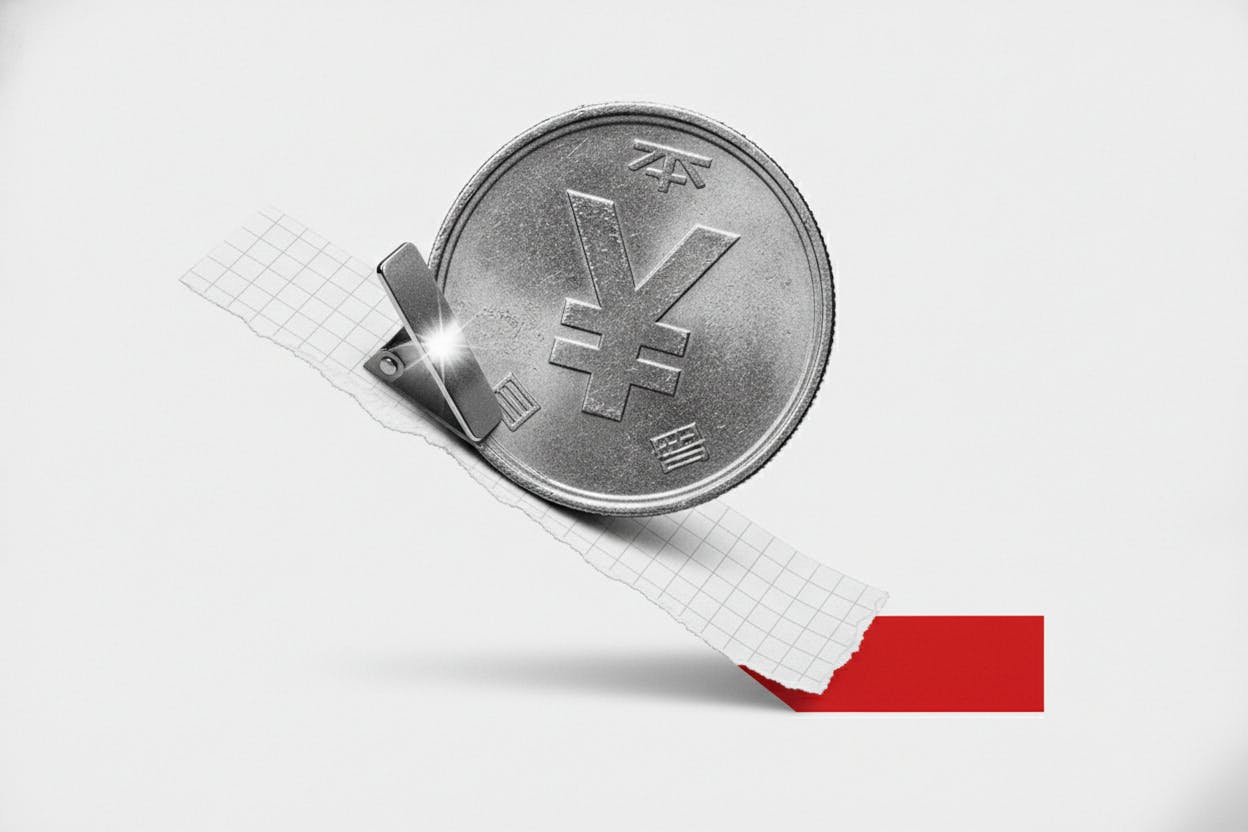
His comments come as Japan's currency remains under pressure against the US dollar, making imported goods more expensive and adding to domestic price pressures. A cheaper yen raises the local price of energy, food, and other imports, which can feed directly into consumer inflation. If that trend continues, the BOJ may have to respond more aggressively than it has so far.
What Himino Actually Said
Himino's point was not that rate hikes are imminent, but that moving in smaller steps earlier could reduce the chance the BOJ has to slam on the brakes later. He emphasized that if inflation runs above target for an extended period, the economic costs could be significant, including distorted consumer spending and business investment decisions.
This marks a notable shift in tone from the BOJ, which for years has been known for ultra-loose monetary policy aimed at fighting deflation. The central bank only recently ended its negative interest rate policy, and any further tightening would be a major step for an economy that has been accustomed to cheap money.
Himino's remarks also highlight the delicate balancing act the BOJ faces. On one hand, it wants to support economic growth and ensure inflation is sustainable. On the other, it must prevent inflation from spiraling out of control, which could erode household purchasing power and undermine the recovery.
Why the Yen Matters
The yen's weakness is a double-edged sword for Japan. A weaker currency boosts exports by making Japanese goods cheaper overseas, and it inflates the value of foreign earnings for multinational companies. But it also raises the cost of imports, which hits households and small businesses that rely on foreign goods.
For everyday investors, the yen's trajectory is closely watched because it affects everything from the price of groceries to the returns on Japanese stocks. A weaker yen tends to lift the share prices of exporters like automakers and electronics firms, while hurting domestic-focused sectors like utilities and retailers.
The BOJ's policy stance is also a key driver of global markets. Japan is one of the world's largest holders of foreign assets, and changes in its interest rates can ripple through global bond and currency markets. If the BOJ hikes rates faster than expected, it could strengthen the yen and put pressure on global carry trades, where investors borrow cheaply in yen to invest in higher-yielding assets elsewhere.
What It Means for Investors
For investors, the key takeaway is that the BOJ is now more willing to act if inflation overshoots. This could mean higher borrowing costs in Japan, which would affect everything from mortgages to corporate loans. It could also lead to a stronger yen, which would impact the profitability of Japanese exporters and the value of foreign investments held by Japanese investors.
Himino's comments come at a time when hot US inflation data has lifted the dollar, putting additional pressure on the yen. The Federal Reserve has been grappling with its own inflation problem, and any divergence between US and Japanese monetary policy tends to widen the interest rate gap, further weakening the yen.
Investors should also watch how the BOJ's stance interacts with global inflation trends. Treasury yields have risen as US inflation holds steady, keeping the possibility of a Fed rate hike in play. If both central banks move toward tighter policy, it could signal a broader shift away from the easy-money era that has supported asset prices for years.
For now, the BOJ appears to be preparing markets for the possibility of a rate hike, even if it doesn't happen immediately. Himino's message is clear: the central bank is watching the yen closely, and it won't hesitate to act if inflation threatens to run too hot.
Looking Ahead
The next BOJ policy meeting will be closely scrutinized for any hints of a rate change. Economists will also be watching upcoming inflation data and the yen's movement for clues about the central bank's next move. If the yen continues to weaken and inflation stays above target, the pressure on the BOJ to act will only grow.
For everyday investors, this means staying informed about currency movements and central bank policy, as they can have a direct impact on portfolios. The US economy is sending mixed signals, with inflation staying hot while growth cools, and that uncertainty is likely to keep markets on edge.
Ultimately, Himino's warning is a reminder that central banks are willing to act when necessary, even if it means surprising markets. The BOJ's shift from fighting deflation to managing inflation is a historic change, and its implications will be felt by investors around the world.