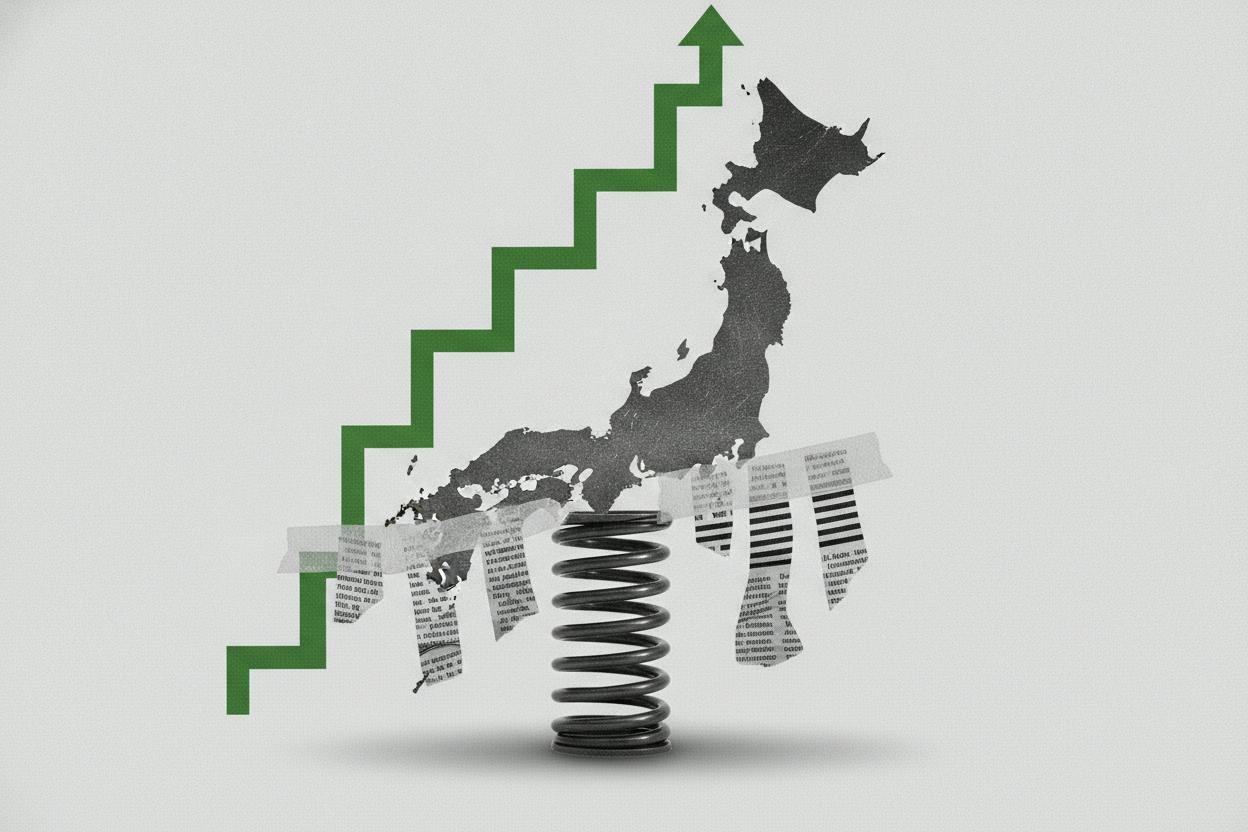
A former Bank of Japan (BOJ) board member says the central bank is likely to keep raising interest rates at a steady, quarterly pace, with the policy rate potentially reaching around 2% by June next year. Makoto Sakurai, who served on the BOJ's policy board until 2021, pointed to persistent import-driven inflation as the main force keeping price pressures alive.
Japan's central bank has already moved away from its long-running ultra-low rate policy, but the pace of further increases has been a key question for investors. Sakurai's comments suggest the BOJ may be more aggressive than many expect, with hikes arriving roughly every three months.
Why inflation is staying sticky
At the heart of Sakurai's forecast is the view that higher energy and import costs are spreading price increases beyond a narrow set of goods. While Japan has long battled deflation, the recent surge in global commodity prices has pushed up costs for businesses, which are increasingly passing those costs on to consumers.
That dynamic, Sakurai argues, keeps inflation above the BOJ's 2% target even as the economy shows mixed signals. He believes the central bank will likely revise its inflation forecasts upward in its quarterly outlook report due in October, setting the stage for another rate increase as soon as that month—or, more likely, shortly after.
The BOJ's current policy rate stands at 1.25%, according to the brief. A move to 2% would represent a significant tightening of monetary conditions, a shift that would ripple through Japanese bonds, the yen, and global markets.
What this means for investors
For everyday investors, the key takeaway is that Japan's era of near-zero interest rates is firmly in the rearview mirror. Higher rates in Japan can affect global bond yields, currency markets, and the profitability of Japanese companies, especially those with heavy debt loads.
Investors holding Japanese stocks or funds with Japanese exposure should watch how companies manage rising borrowing costs. Exporters, on the other hand, might benefit if a stronger yen—often a result of higher rates—makes their products cheaper abroad, though it also makes their overseas earnings worth less when converted back to yen.
The BOJ's path also matters for global investors because Japan is a major buyer of foreign bonds. If Japanese rates rise, domestic investors may find it more attractive to keep money at home, potentially reducing demand for U.S. Treasuries and other foreign debt. That dynamic has already been cited as a factor in recent moves in global bond markets, as seen in stocks eking out gains as the 10-year yield tops 5% and the BOJ hikes.
Broader rate-hike backdrop
Japan is not alone in tightening policy. Central banks around the world have been raising rates to combat inflation, though the pace and timing vary. In the U.S., Federal Reserve officials have signaled that more rate hikes may be needed sooner and smaller, while others warn that strong demand could force faster action. These global trends can amplify the impact of the BOJ's moves, as currency and bond markets react to the relative attractiveness of different economies.
For investors, the lesson is that interest rates are a global story. What happens in Tokyo can affect portfolios everywhere, from bond prices to stock valuations. Diversification across regions and asset classes can help, but as when diversification isn't as diverse as it looks shows, even diversified portfolios can be exposed to common factors like rising rates.
What to watch next
The BOJ's next policy meeting and its quarterly outlook report will be closely watched for any changes to inflation forecasts or hints about the pace of future hikes. Sakurai's comments suggest the central bank is leaning toward a more aggressive path, but the actual decisions will depend on incoming data, including wage growth, consumer spending, and global commodity prices.
For now, the message is clear: Japan's monetary policy is normalizing, and investors should prepare for a world where Japanese rates are no longer near zero. That shift will have consequences for currencies, bonds, and stocks, and it's worth keeping an eye on as the year progresses.