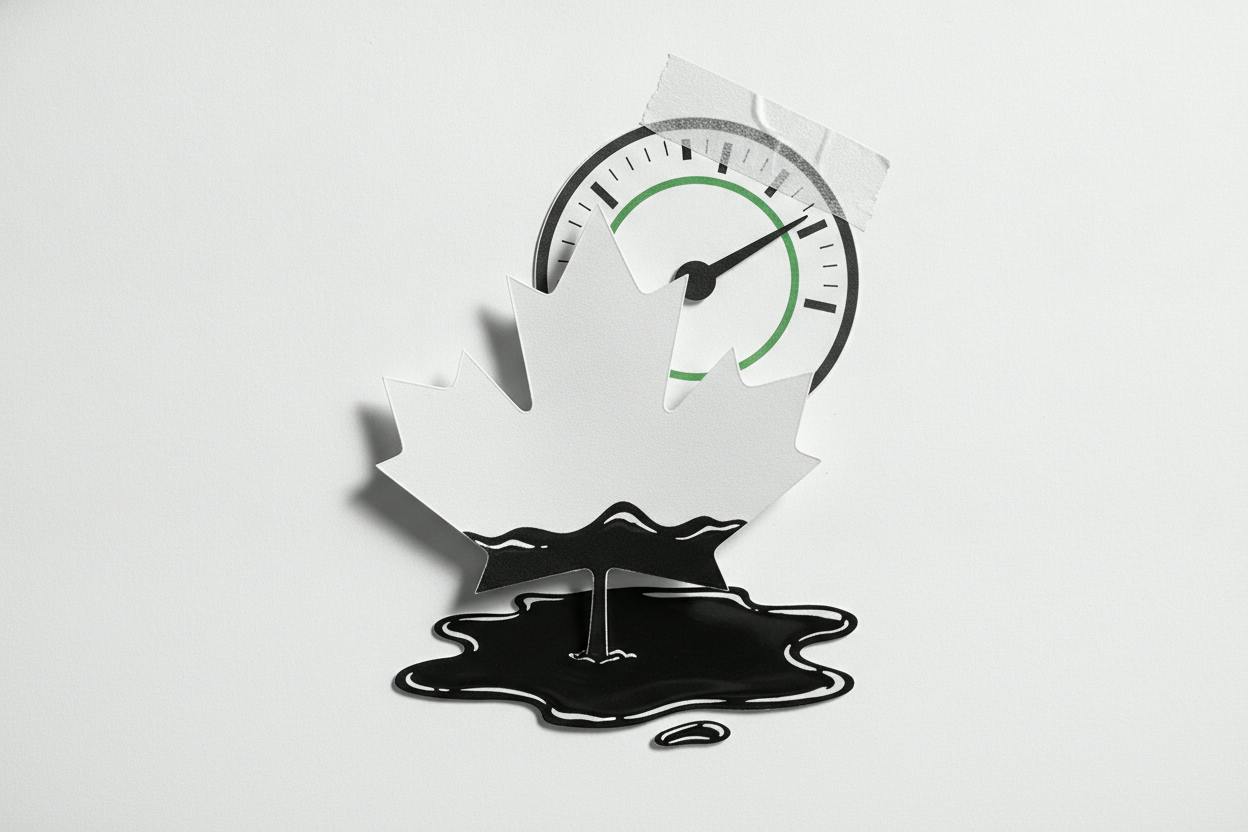
Canadian inflation is expected to stay stuck at 3% in August, according to RBC Economics, as high energy prices continue to weigh on the headline number. The bank's research team released the forecast on Friday, noting that while gasoline prices dipped slightly from July, they remain about 23% higher than a year ago.
For everyday Canadians, that means the cost of filling up the tank is still a major driver of the overall inflation rate. But the bigger question for the Bank of Canada is whether those energy costs start showing up in other prices, such as transportation, food, and services.
Core inflation: the key number to watch
RBC expects core inflation—which strips out volatile items like food and energy to give a clearer picture of underlying price pressures—to come in near 1.9% in August. That's right around the Bank of Canada's 2% target, suggesting that outside of energy, price increases are relatively contained.
However, the bank warns that food inflation, while cooling recently, is still expected to run near 3% in August. That can keep the headline number looking stubbornly high, even if the underlying trend is more moderate.
The Bank of Canada has been closely monitoring inflation as it decides whether to raise interest rates further. With the economy showing signs of slowing, but energy prices remaining elevated, policymakers face a delicate balancing act.
What this means for investors
For investors, the inflation reading is a key input into the Bank of Canada's rate decisions. If core inflation stays near target, it could reduce pressure for another rate hike. But if energy prices start spilling into broader inflation, the bank may need to act more aggressively.
That uncertainty is already affecting markets. The Canadian dollar recently hit a nine-day low as hot US inflation revived bets on Federal Reserve rate hikes, which can spill over into Canadian markets. Meanwhile, oil price spikes and inflation data have put pressure on Canadian stocks, as investors weigh the impact of higher energy costs on corporate profits and consumer spending.
RBC's forecast also comes as other central banks face similar challenges. In the US, Goldman Sachs flipped to a September Fed rate hike call after a hot inflation report, while in Australia, Westpac sees inflation picking up again in August. These global trends can influence the Bank of Canada's thinking, as it tries to keep the economy on an even keel.
The energy factor
Energy prices have been a wildcard for inflation all year. While gasoline prices dipped slightly in August, they remain far above year-ago levels. RBC notes that energy inflation is still doing a lot of the work in keeping the headline number elevated.
If energy prices continue to rise, they could eventually push up costs for businesses, which may pass those costs on to consumers. That's the spillover effect the Bank of Canada is watching for. So far, core inflation suggests that hasn't happened on a broad scale, but it's a risk that could change the outlook.
For investors, this means keeping an eye on energy markets and the Bank of Canada's next moves. A sustained rise in energy prices could lead to higher inflation and potentially higher interest rates, which would affect bond yields, stock valuations, and the Canadian dollar.
Bottom line
Canada's inflation is expected to hold at 3% in August, with core inflation near the Bank of Canada's target. The central bank will be watching closely to see if energy costs start feeding into broader prices. For now, the picture is one of stubborn headline inflation but relatively contained underlying pressures.
As always, investors should focus on the longer-term trends rather than reacting to a single data point. The Bank of Canada's next rate decision will be crucial in shaping the outlook for the economy and markets.