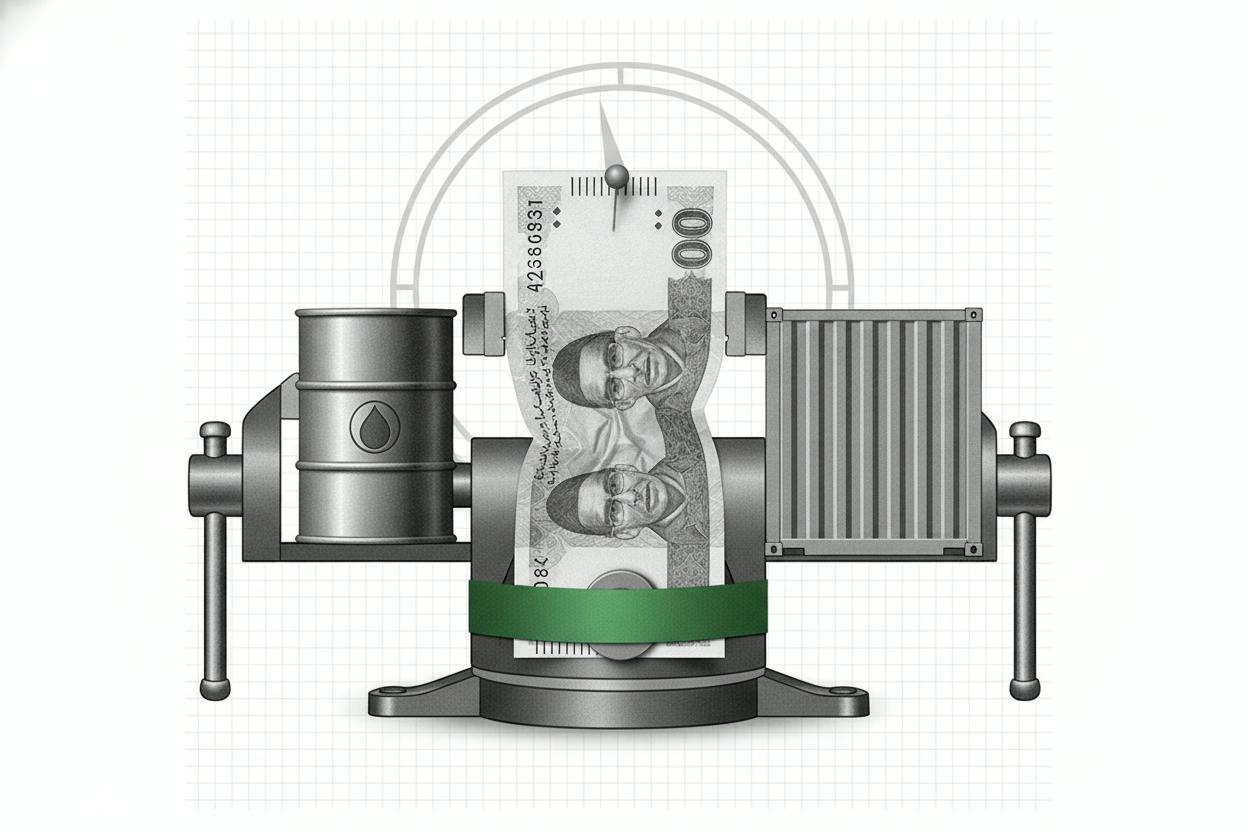
Pakistan's central bank left its benchmark interest rate unchanged at 11.5% on Monday, resisting pressure to tighten policy even as inflation picked up for a second straight month. The decision, made by a 7-3 vote of the Monetary Policy Committee, comes as August consumer prices rose 11.15% year-on-year, up from 9.2% in July.
The State Bank of Pakistan (SBP) acknowledged that the inflation outlook has become more uncertain, pointing to higher global commodity prices—especially oil—that could push up the cost of imports. Core inflation, which strips out volatile food and energy prices, also climbed to 8.7% in August, signaling that price pressures are broadening beyond just the most volatile categories.
Why the hold despite rising inflation?
Central banks often face a delicate balancing act between supporting economic growth and keeping inflation in check. In Pakistan's case, the economy has been struggling with slow growth, high debt, and the need to maintain foreign exchange reserves. Raising rates too aggressively could choke off the fragile recovery, while keeping them too low risks letting inflation spiral.
The 7-3 vote suggests the committee is split, with a minority favoring a hike to combat inflation. But the majority chose to hold, likely betting that the recent rise in inflation is temporary and that oil prices may stabilize. The SBP's statement noted that the outlook has gotten riskier, but it did not signal an immediate move.
For context, Pakistan has been navigating a tough economic environment, with the government seeking support from international lenders and trying to control a large current account deficit. Higher oil prices are a particular concern because Pakistan imports most of its energy, so any increase in global crude directly raises the country's import bill and can worsen inflation.
What it means for investors
For everyday investors, the hold means borrowing costs—such as loans and mortgages—will stay at current levels for now. If you have savings in Pakistani rupees, the real return on deposits may be negative, since inflation at 11.15% is higher than the 11.5% policy rate, leaving little cushion after accounting for price rises.
The decision also affects the currency. A steady interest rate can help support the rupee by keeping foreign investors interested in Pakistani assets, but if inflation keeps climbing, the central bank may be forced to hike later, which could boost the currency but slow growth.
Investors should watch for upcoming inflation data and any signals from the SBP about future moves. If oil prices continue to rise, the case for a rate hike will strengthen, and markets may start pricing that in. The central bank's next meeting will be closely scrutinized for any change in tone.
Globally, central banks are facing similar dilemmas. For instance, Canada's inflation is expected to hold at 3% as energy costs persist, while the Bank of England is expected to hold rates even as oil tops $100. These parallel situations highlight how energy prices are complicating monetary policy worldwide.
For Pakistan, the immediate focus is on whether inflation will keep accelerating. The August figure of 11.15% is still well below the peaks seen in previous years, but the trend is upward. If core inflation continues to rise, the SBP may have little choice but to act, even if it means sacrificing some growth.
In the meantime, investors should keep an eye on the rupee's exchange rate and the country's foreign reserves, as these are key indicators of economic stability. A sharp depreciation could import more inflation, forcing the central bank's hand.
Overall, the hold is a cautious move, but it is not a permanent one. The SBP has left the door open for future adjustments, and the next few months will be critical in determining whether Pakistan can tame inflation without derailing its recovery.