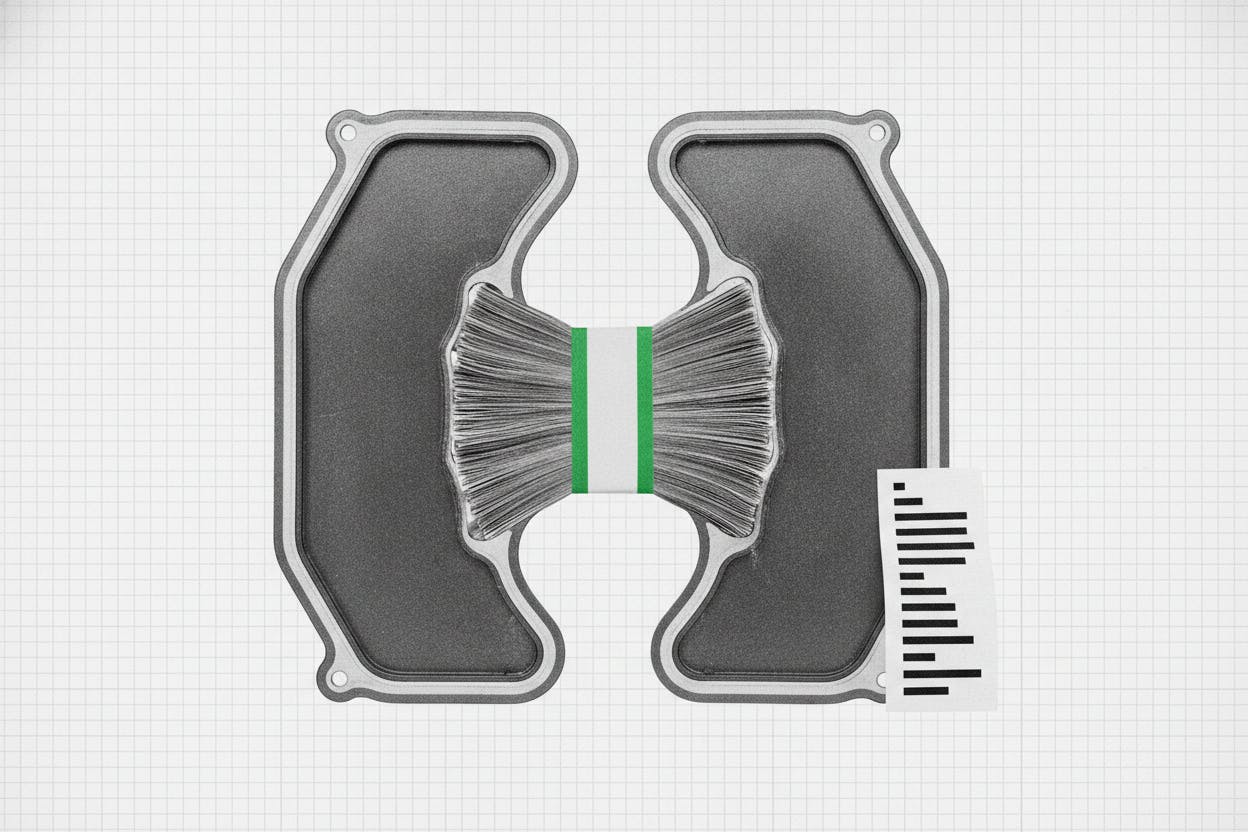
Swedish metal flow plates supplier Cell Impact has announced plans for a 53.6 million krona (approximately $5.1 million) rights issue, aiming to strengthen its balance sheet as it pushes its technology toward broader commercial adoption. The company says the funds will be used to repay a 15 million krona bridge loan and support working capital and commercialization activities.
What is Cell Impact?
Cell Impact specializes in manufacturing metal flow plates, a key component in fuel cells that help convert hydrogen into electricity. Fuel cells are seen as a promising clean energy technology, particularly for heavy transport and industrial applications, but the sector has faced challenges in scaling up production and achieving profitability. The company's plates are designed to be lighter and more cost-effective than traditional graphite-based alternatives, which could give it an edge if demand for hydrogen fuel cells grows.
The rights issue is a common way for smaller, cash-intensive companies to raise capital by offering existing shareholders the right to buy new shares, typically at a discount. This dilutes the holdings of those who do not participate but provides necessary funding without taking on additional debt.
Why is the company raising funds now?
Cell Impact has been investing heavily in production capacity and customer development, but like many early-stage clean energy firms, it burns through cash as it waits for orders to ramp up. The 15 million krona bridge loan, which the rights issue will repay, was likely a short-term borrowing to cover immediate needs. By replacing that debt with equity, the company reduces its interest costs and financial risk, giving it more runway to pursue commercial deals.
The broader context for Cell Impact is a hydrogen sector that has seen both excitement and skepticism. Governments in Europe and elsewhere have pledged billions to support hydrogen infrastructure, but actual adoption has been slower than some hoped. Companies in this space often need to raise capital multiple times before reaching profitability, and investors watch closely for signs of customer traction or technology milestones.
What it means for investors
For current shareholders, the rights issue presents a choice: participate to maintain their ownership percentage or let their stake be diluted. The company is effectively asking investors to back its next phase of growth. The success of the raise will depend on whether existing shareholders believe in the long-term potential of fuel cells and Cell Impact's position in the supply chain.
Investors should note that rights issues are often a signal that a company cannot fund its operations from cash flow alone. While this is not unusual for growth-stage industrial firms, it does add risk. The funds will support working capital—essentially day-to-day expenses like paying suppliers and staff—and commercialization, which includes marketing, sales efforts, and possibly further product development.
For those watching the clean energy space, Cell Impact's move mirrors similar capital raises by other hydrogen-related companies. The sector remains highly dependent on policy support and infrastructure buildout. Recent developments, such as Congo tightening cobalt export quotas, highlight how supply chain dynamics can shift for critical materials, though Cell Impact's metal plates use different inputs.
What to watch next
Key milestones for Cell Impact will include any announcements of new customer contracts or production scale-ups. The company's ability to convert its technology into recurring revenue will determine whether this rights issue is a stepping stone to success or a stopgap measure. Investors should also monitor the company's cash burn rate and how quickly it can reduce its reliance on external funding.
In the broader market, clean energy stocks have been volatile, with some companies thriving while others struggle. Cell Impact's focus on a specific component—metal flow plates—could be a strength if it becomes a go-to supplier, but it also means the company is tied to the fortunes of the entire fuel cell ecosystem.
For everyday investors, this story underscores the importance of understanding a company's capital structure and funding needs. Rights issues can be a warning sign of financial strain, but they can also be a necessary step for a promising technology to reach the market. As always, diversification and a long-term perspective are key when investing in emerging industries.