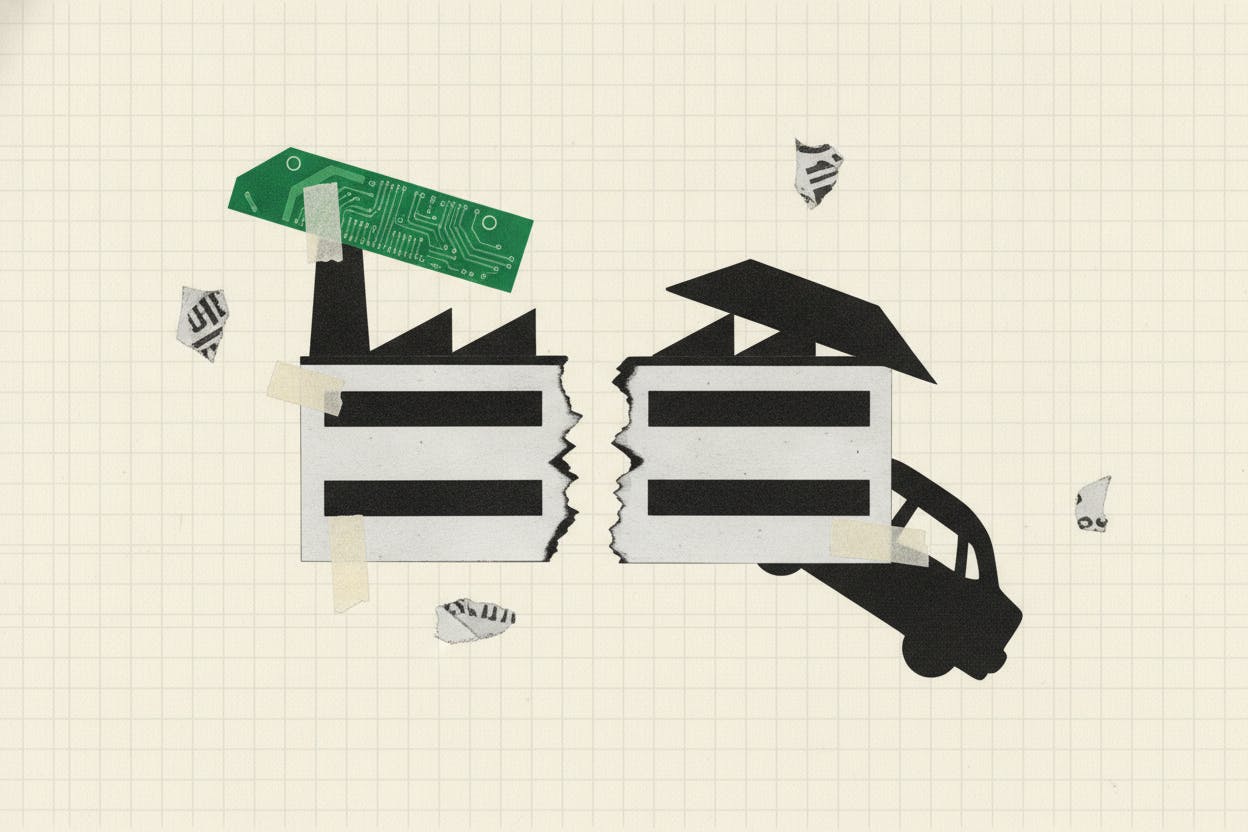
China's industrial sector posted another strong profit gain in May, but the headline number masks a growing divide between winners and losers in the world's second-largest economy. Profits at large industrial firms rose 21.1% year-on-year, according to the National Bureau of Statistics, though the pace slowed from April's reading.
The data cover companies with at least 20 million yuan (about $2.95 million) in annual revenue from their main business. For the first five months of 2024, industrial profits were up 18.8% compared with the same period last year.
AI Boom Drives Electronics Profits
The standout performer was the electronics sector. Profits at makers of computers, communication equipment, and electronic devices jumped 103.9% in the January–May period. The surge is tied directly to global spending on artificial intelligence hardware, as companies around the world invest heavily in data centers, chips, and networking gear to support AI applications.
This trend is not unique to China. Similar dynamics are playing out in other manufacturing hubs. For example, Singapore factory growth slowed in May as an AI-driven electronics boom masked weakness elsewhere, highlighting how the AI buildout is reshaping global supply chains.
Automakers Hit by Overcapacity and Price Wars
On the other side of the ledger, China's auto industry is struggling. Profits at automakers fell 19.8% in the first five months of the year, even as export volumes remained solid. The problem is not demand—it's pricing. Too many manufacturers are chasing market share by cutting prices, squeezing margins across the board.
China's auto sector has been plagued by overcapacity for years, but the shift to electric vehicles has intensified the competition. Legacy automakers, new EV startups, and tech companies are all vying for a slice of the market, leading to aggressive discounting that erodes profitability. The result is a classic race to the bottom: higher sales volumes but lower profits per vehicle.
This divergence between electronics and autos is a key concern for policymakers. The broader economy is leaning heavily on factory output and overseas demand to offset weak domestic consumption, as the property downturn continues to weigh on consumer confidence. China's central bank has quietly pushed banks to lend more amid weak demand, but the impact on industrial profits remains uneven.
What It Means for Investors
For investors, the takeaway is clear: China's manufacturing recovery is not uniform. The AI-linked electronics boom is real and likely to continue as long as global tech spending holds up. But the auto sector's profit slump suggests deeper structural issues that may take time to resolve.
The key swing factor for Chinese automakers is not how many cars they ship overseas, but whether consolidation can cool the domestic price war. If weaker players are forced to shrink, merge, or exit the market, margins could stabilize. That is where targeted policy support could make a difference. Instead of broad-based stimulus, the government may encourage capacity to exit the market, leaving fewer rivals and less incentive to discount.
For now, the data reinforces a two-speed manufacturing economy. Companies tied to the AI buildout are thriving, while traditional industries like autos face headwinds. Investors should watch for signs of consolidation in the auto sector and continued strength in electronics. China's onshore tech IPO pipeline has revived with 126 billion yuan in filings, suggesting that capital markets are betting on the tech-driven recovery.
Meanwhile, broader economic indicators remain mixed. Iron ore headed for a seventh weekly drop as China port inventories swelled, reflecting weak demand from the property sector. And India's gold premium returned as a price dip sparked buying, while China demand lagged, underscoring the uneven nature of the recovery.
In short, the May profit data is a snapshot of an economy that is growing, but not evenly. For everyday investors, the lesson is to look beyond the headline numbers and understand which sectors are driving the gains—and which are being left behind.