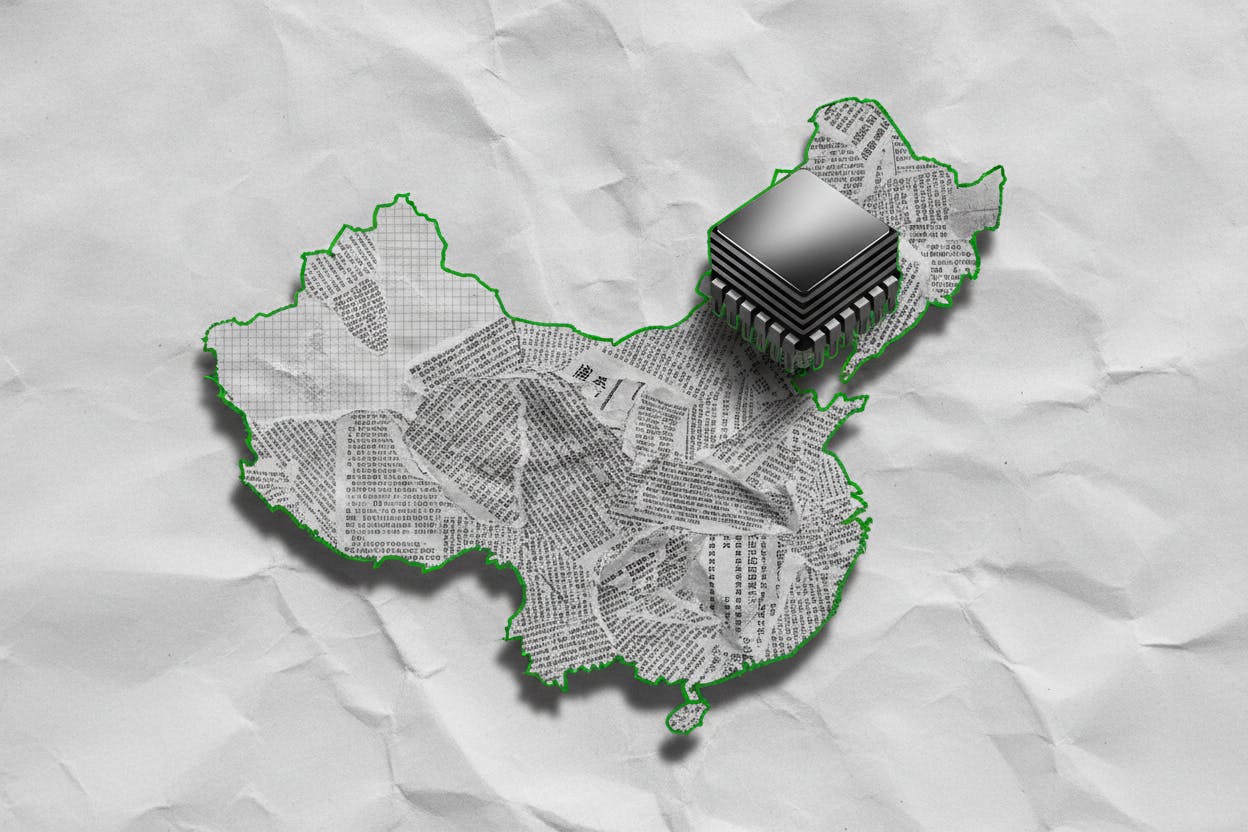
China's industrial sector continued to generate profit growth in July, but the pace is clearly cooling. According to the National Bureau of Statistics, industrial profits rose 11.2% in July compared with the same month last year. That's a noticeable step down from June's 15.1% increase, and it points to an economy where some industries are thriving while others are struggling to find traction.
For the first seven months of the year, profits were up 17.6% from a year earlier. That's slightly slower than the 18.7% pace recorded for the first half, reinforcing the sense that momentum is fading as the year progresses.
Who's winning and who's losing
The headline number masks a wide divergence beneath the surface. On the winning side, electronics and metals manufacturers posted the strongest gains. These are sectors closely tied to global demand for technology, particularly the boom in artificial intelligence infrastructure. As companies around the world race to build data centers and AI capabilities, demand for chips, servers, and the metals that go into them has surged, giving Chinese exporters in these areas a powerful tailwind.
On the losing side, consumer-facing industries remain under pressure. Weak domestic spending, persistent property market troubles, and cautious household sentiment have kept a lid on demand for everything from food and beverages to clothing and household goods. For these businesses, the recovery that policymakers have been trying to engineer has yet to fully arrive.
This split is not new, but it is becoming more pronounced. The gap between export-oriented tech and domestic consumption is widening, and that has implications for the broader economy.
What's behind the slowdown
The cooling in overall profit growth can be traced to a few factors. First, the base effect: last year's July figures were relatively strong, so this year's comparison is tougher. Second, global demand, while still solid for tech products, is showing signs of softening in other areas. Third, domestic conditions remain fragile. The property sector, once a major engine of growth, is still contracting, and consumer confidence has not rebounded as quickly as many hoped.
There's also the question of pricing power. In many manufacturing sectors, intense competition and overcapacity have kept a lid on prices, squeezing margins even when volumes are decent. That's particularly true in consumer goods, where companies often have to discount to move inventory.
What it means for investors
For everyday investors, the key takeaway is that China's industrial recovery is real but uneven. The companies benefiting from the AI boom are in a strong position, and that's reflected in their profits. But the broader economy is still struggling to generate broad-based momentum.
If you're invested in companies with exposure to Chinese manufacturing, it's worth paying attention to which end of the spectrum they sit on. Firms tied to electronics, semiconductors, and advanced metals are likely to keep benefiting from global AI spending. Those more reliant on domestic consumer demand may continue to face headwinds until household confidence improves.
This also matters for global markets. China is a major supplier of components and raw materials, so the health of its industrial sector has ripple effects. A slowdown in Chinese factory profits could signal softer demand for commodities and intermediate goods, which would affect producers in other countries. On the other hand, continued strength in AI-related exports is a positive sign for the global tech supply chain.
Investors should also watch for policy responses. Chinese authorities have been rolling out measures to support the economy, from interest rate cuts to targeted stimulus for specific industries. If consumer-facing sectors continue to lag, there's a chance policymakers will step up efforts to boost domestic demand, which could provide a lift to those companies.
The road ahead
The July data is just one month, and profit growth can be volatile. But the trend is clear: the AI-driven export boom is a bright spot, while the consumer recovery remains a work in progress. For investors, that means staying selective and understanding which parts of the Chinese economy are likely to outperform.
As always, it's important to look beyond the headline numbers and dig into the details. The divergence between sectors is where the real story lies, and it's a story that's likely to continue shaping markets in the months ahead.