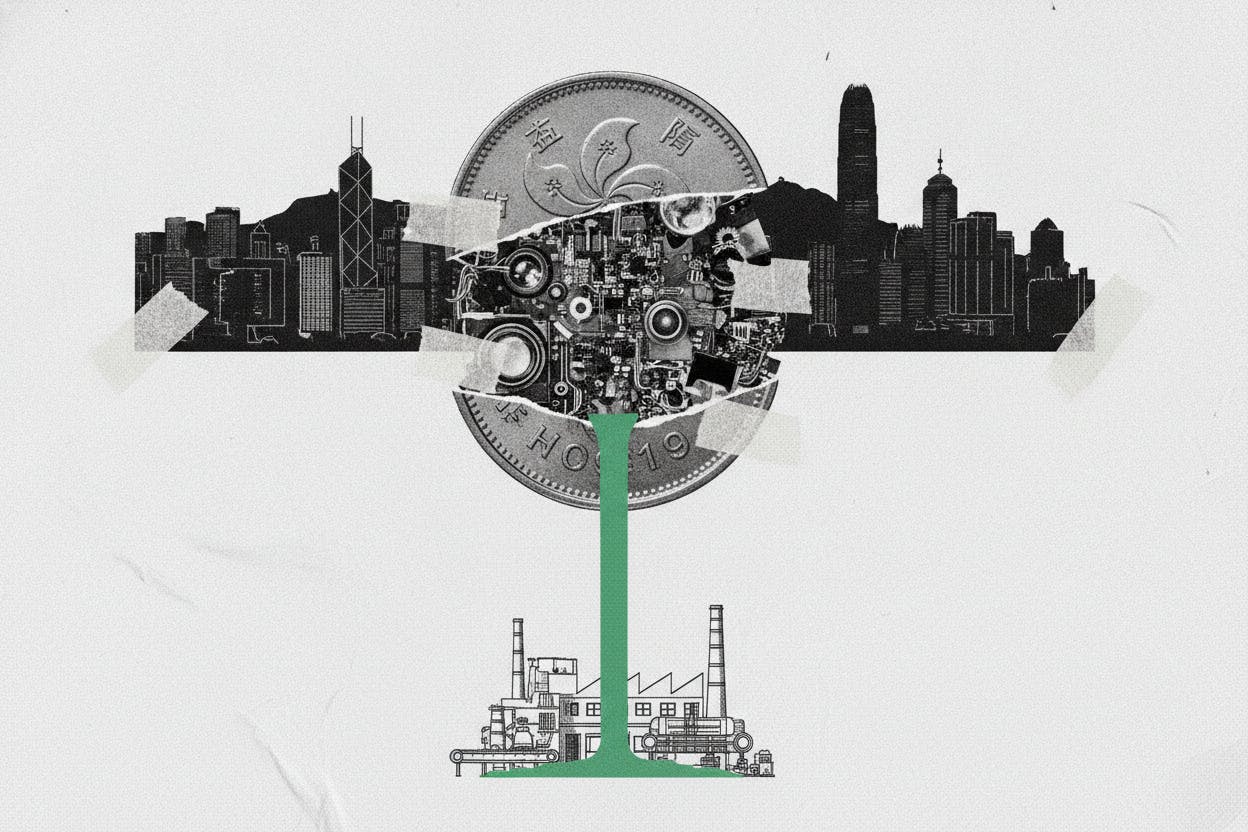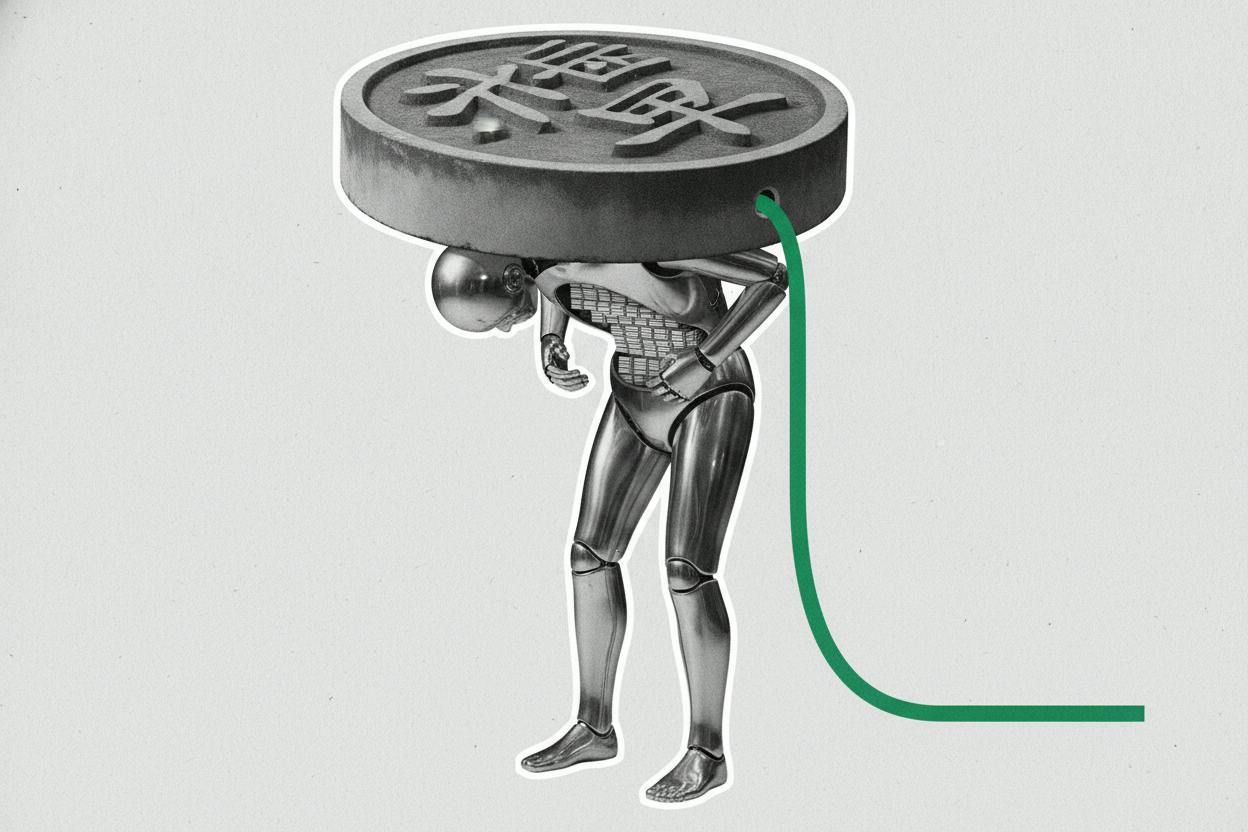
China has issued new guidelines for its artificial intelligence sector, urging officials to push forward with “AI Plus” and industrial AI pilots while simultaneously warning against “swarm-like” hype and the formation of bubbles. The guidance, reported by Reuters, reflects Beijing's balancing act between fostering innovation and preventing the kind of speculative excess that has plagued other tech booms.
What the guidelines say
The new directives call for the expansion of “AI Plus” — a policy aimed at integrating AI into various industries, from manufacturing to healthcare — and encourage local governments to launch pilot projects for industrial AI. At the same time, officials are told to avoid “blind investment” and to ensure that AI development is “safe, reliable and controllable.”
This dual message is notable. On one hand, Beijing wants to maintain its competitive edge in AI, a field where it sees strategic importance. On the other, it is clearly wary of the kind of investment frenzy that has led to overcapacity and wasted resources in other sectors, such as solar panels and electric vehicles.
Why this matters
China's AI sector has seen explosive growth in recent years, with hundreds of startups and massive state-backed funding. However, concerns have grown about the sustainability of this expansion. Some analysts have pointed to signs of a bubble, with valuations soaring and many projects failing to generate meaningful revenue.
The new guidelines are an attempt to channel investment into practical applications that can boost productivity, rather than speculative ventures. By promoting industrial AI pilots, Beijing hopes to demonstrate real-world value, which could attract more sustainable long-term investment.
For investors, the message is clear: the Chinese government is trying to cool down the hype while still supporting the industry's growth. This could mean more selective funding and a greater emphasis on companies that show tangible results.
What it means for investors
For everyday investors, this news is a reminder that government policy can significantly shape the fortunes of tech companies. In China, where the state plays a dominant role in the economy, regulatory signals often have an outsized impact on stock prices.
Investors with exposure to Chinese tech stocks, either directly or through funds, should watch how these guidelines are implemented. Companies that align with the “AI Plus” agenda and focus on industrial applications may benefit from government support. Conversely, those seen as part of the hype — perhaps startups with little more than a flashy pitch — could face headwinds as funding becomes more discerning.
The guidelines also come at a time when Chinese tech stocks have been under pressure. As we've noted, China blue chips hit an 8-month low as AI stocks sold off, reflecting investor jitters about valuations and regulatory uncertainty. The new policy could help stabilize sentiment by clarifying the government's approach, but it could also lead to further sell-offs if investors interpret it as a crackdown.
It's also worth remembering that China's broader economic picture is mixed. While the government has taken steps to support growth, such as redirecting $82 billion in unused debt quotas to local budgets, trade tensions and weak consumer confidence continue to weigh on the market. The AI guidelines are just one piece of a complex puzzle.
Looking ahead
The key question for investors is whether China can achieve its goal of “AI without a bubble.” That would require a delicate balance: encouraging innovation and adoption while avoiding the excesses that have led to busts in the past.
History suggests it's a difficult task. Tech booms often end in tears, and China's AI sector is no exception. However, the government's willingness to acknowledge the risk and take preemptive action is a positive sign. It shows a level of self-awareness that could help mitigate the worst outcomes.
For now, investors should keep an eye on how the guidelines translate into actual policy. Are there specific funding programs? Will there be stricter vetting of AI projects? How will local governments respond? These details will matter more than the rhetoric.
In the meantime, the broader tech sell-off in China, as seen in China tech stocks sliding as traders return to weak sentiment, suggests that investors are already cautious. The new guidelines may not immediately reverse that trend, but they could lay the groundwork for a more sustainable growth path.
Ultimately, the message from Beijing is that AI should be a tool for economic development, not a playground for speculation. That's a philosophy that could benefit long-term investors, even if it means short-term pain for those caught up in the hype.