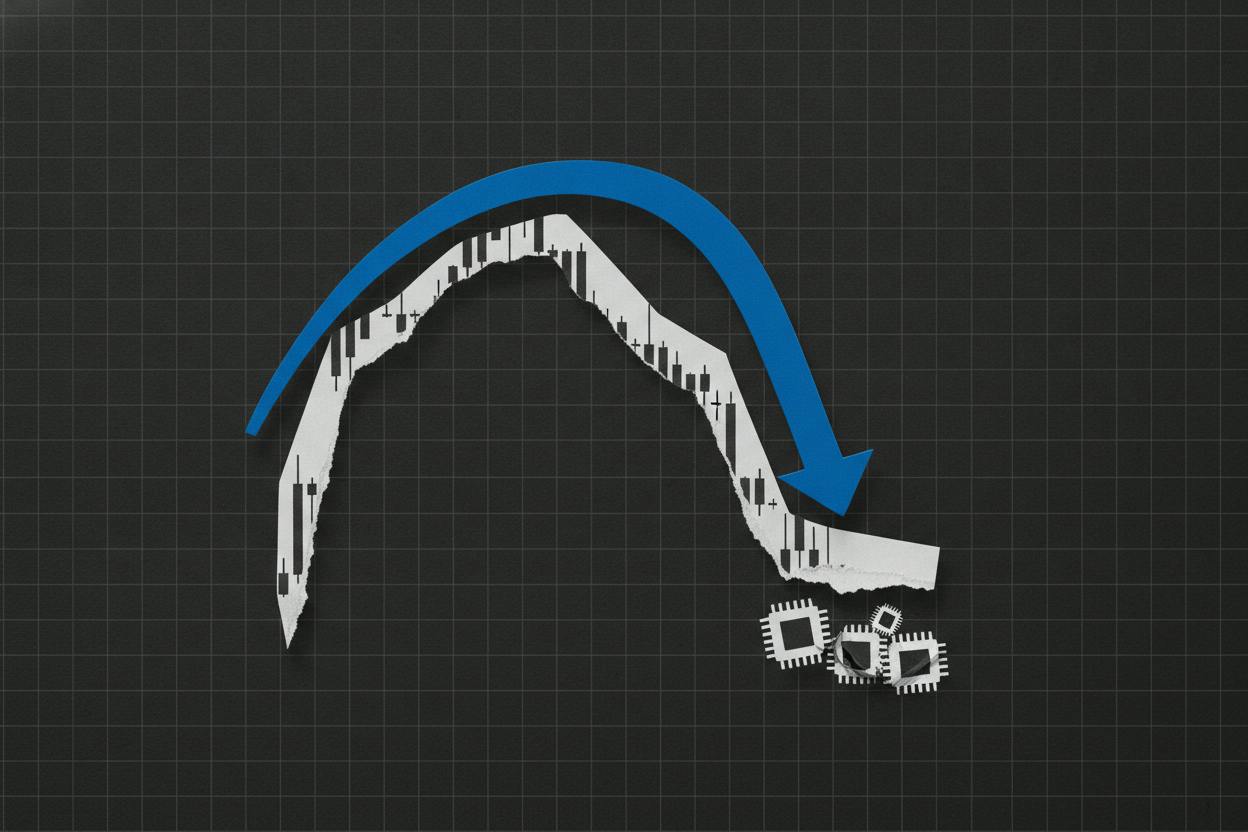
China's mainland stocks fell again on Monday, with the benchmark CSI300 index dropping 0.7% to close at its lowest level in 13 months. The decline came even after Beijing stepped up its efforts to soothe market nerves over the weekend, including a meeting between the country's top securities regulator and market participants, as well as draft rules that would make it easier to launch equity mutual funds.
The muted response to those measures suggests that investors are more worried about forces outside Beijing's quick fixes, particularly higher global bond yields and fresh trade tensions. The CSI300, which tracks the performance of the largest companies listed in Shanghai and Shenzhen, has been under pressure for weeks as concerns about the global economy and geopolitical risks mount.
What's behind the slide?
Rising global yields have been a key headwind for equities worldwide, as they increase the opportunity cost of holding stocks and can attract capital away from riskier assets. For China, higher yields in the US and other major economies can also put pressure on the yuan and prompt foreign investors to pull money out of Chinese markets.
At the same time, trade tensions have resurfaced. The brief notes that US probes into Luxshare and Foxconn, two major suppliers to global tech giants, weighed on technology shares. These probes add to the uncertainty facing Chinese companies that are deeply integrated into global supply chains, and they come on top of existing export curbs and tariff disputes. For a deeper look at how US export restrictions have been affecting Chinese tech stocks, see our earlier coverage on Chinese tech stocks sliding on export curbs.
The combination of these external pressures has made it harder for Beijing's policy announcements to gain traction. Over the weekend, the China Securities Regulatory Commission (CSRC) held meetings with market participants, a common move aimed at gauging sentiment and signalling that authorities are watching the market closely. On Friday, draft rules were floated that would streamline the approval process for new equity mutual funds, potentially bringing more domestic money into the stock market. But investors appear to be looking past these measures, focusing instead on the bigger picture.
What it means for investors
For everyday investors, the key takeaway is that Chinese stocks are being driven by global factors as much as domestic policy. Even when Beijing tries to prop up the market, external shocks can overwhelm those efforts. This is a reminder that diversification matters—putting all your money in one market, especially one as sensitive to global trade and yields as China, can be risky.
The reaction also highlights the limits of policy intervention. While measures like easier fund launches can help in the long run by boosting domestic participation, they don't address the immediate concerns of higher borrowing costs and trade frictions. Investors should watch how these global trends evolve, particularly the direction of US Treasury yields and any further developments in the US-China trade relationship.
Elsewhere in the region, other markets have also been feeling the pinch. For instance, Saudi stocks slipped amid geopolitical tensions, and chip stocks in South Korea and Taiwan have been hit by doubts about AI spending. These moves show that the current market environment is challenging across many emerging and developed markets, not just China.
Looking ahead, investors will be watching for any signs that Beijing is willing to take more forceful action, such as direct buying of stocks or more aggressive monetary easing. But as Monday's session showed, even the most well-intentioned policy moves may not be enough to counter the powerful forces of global yields and trade tensions.