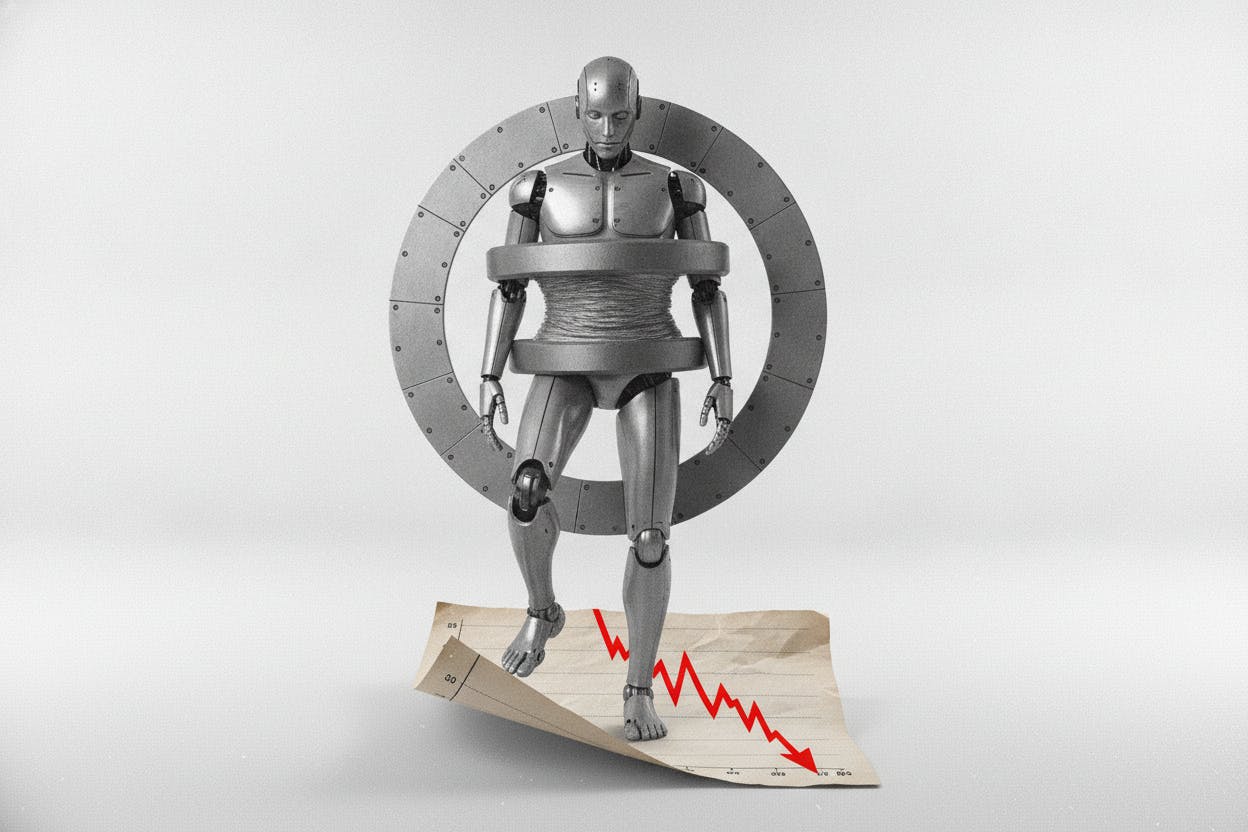
China's securities regulator is reportedly making it harder for humanoid-robot startups to go public, a shift that could reshape how some of the country's most hyped tech companies access capital markets. According to a report from The Information, the China Securities Regulatory Commission (CSRC) has issued informal “window guidance” to banks and companies seeking IPO approvals, signaling that it wants to see stronger financial fundamentals before greenlighting listings.
In plain English, window guidance is an off-the-record signal from regulators about what they expect, without formal rule changes. It's a tool regulators in China often use to steer market behavior, and in this case, it appears aimed at cooling the enthusiasm around humanoid robot startups that have attracted significant investor attention but may lack solid business models.
What's driving the change?
The catalyst appears to be the volatile market debut of Unitree Robotics, a leading Chinese humanoid robot maker. Unitree's listing on the Shanghai Stock Exchange drew intense interest, but its share price swung sharply, highlighting the risks of investing in companies with high valuations and uncertain revenue streams. The CSRC's reported response is to demand that future IPO applicants in this sector show recurring revenue—meaning stable, repeatable income rather than one-off sales—and clearer paths to shrinking losses.
For startups, this is a significant hurdle. Many humanoid robot companies are still in early stages, spending heavily on research and development, and may not yet have a proven business model. Requiring recurring revenue and a credible plan to reduce losses effectively raises the bar for who can list, potentially delaying or blocking some IPOs.
This is not an isolated move. China has been tightening IPO standards across several sectors in recent years, aiming to improve market quality and protect retail investors. The CSRC has also been scrutinizing other high-profile tech listings, and this latest guidance fits a broader pattern of regulatory caution.
What it means for investors
For everyday investors, this news has a few implications. First, it could mean fewer humanoid robot IPOs in the near term, as startups that don't meet the new standards may have to wait or seek alternative funding. That could reduce the number of exciting but risky new listings on Chinese exchanges.
Second, for those who already hold shares in listed humanoid robot companies, the regulatory shift could be a positive sign. Stricter standards may help ensure that companies that do go public are more financially sound, which could reduce the risk of sharp post-IPO declines like the one seen with Unitree. However, it could also dampen the speculative fervor that has driven some valuations to lofty levels.
Investors should also note that this is part of a wider trend in China's capital markets. The CSRC has been working to improve the quality of listed companies, and similar guidance has been applied to other sectors, such as semiconductors, which are increasingly important to China's trade engine. The approach is consistent: regulators want companies with real businesses, not just hype.
Broader context
China's push to develop humanoid robots is part of its broader industrial strategy, which includes significant state support for advanced manufacturing and artificial intelligence. The government sees humanoid robots as a key growth area, with potential applications in manufacturing, healthcare, and services. However, the gap between ambition and commercial viability remains wide.
For comparison, other sectors have faced similar regulatory scrutiny. For instance, China has been injecting capital into state banks and insurers to bolster their balance sheets, as seen in recent capital injections. And in the IPO market, companies like Longsys have had to price their Hong Kong listings carefully, sometimes below range, as seen in Longsys's Hong Kong IPO. These examples show that regulators are willing to intervene to ensure market stability.
The humanoid robot sector is still young, and many companies are burning cash. The CSRC's move could accelerate consolidation, as weaker players may struggle to raise public funds. Stronger startups with clear revenue models may benefit, as they could face less competition for investor attention.
Looking ahead
Investors will be watching to see how the CSRC's guidance is applied in practice. Will it be a temporary measure or a lasting policy? How strictly will it be enforced? And which companies will be able to meet the new standards?
For now, the message is clear: China wants its humanoid robot listings to be built on more solid ground. That's likely good for long-term market health, but it may temper the excitement for those hoping to catch the next big IPO pop. As always, investors should focus on fundamentals rather than hype, and this regulatory shift is a reminder that even the most promising technologies need viable business models to succeed.