Cisco Systems lifted its fiscal 2027 revenue forecast to a range of $74.8 billion to $75.8 billion, signaling that the company sees artificial intelligence as a long-term driver for its networking business, not just a short-term bump. The update, reported by Reuters, comes as demand for AI shifts from the chips inside data centers to the switches, routers, and optical links that connect them.
CEO Chuck Robbins described the moment as the early stages of a “multi-year networking supercycle.” The company also raised its fiscal 2027 AI infrastructure revenue forecast from hyperscalers — the largest cloud operators like Amazon, Microsoft, and Google — to $9 billion, up from a previous target of $7.5 billion.
Why networking is becoming the next bottleneck
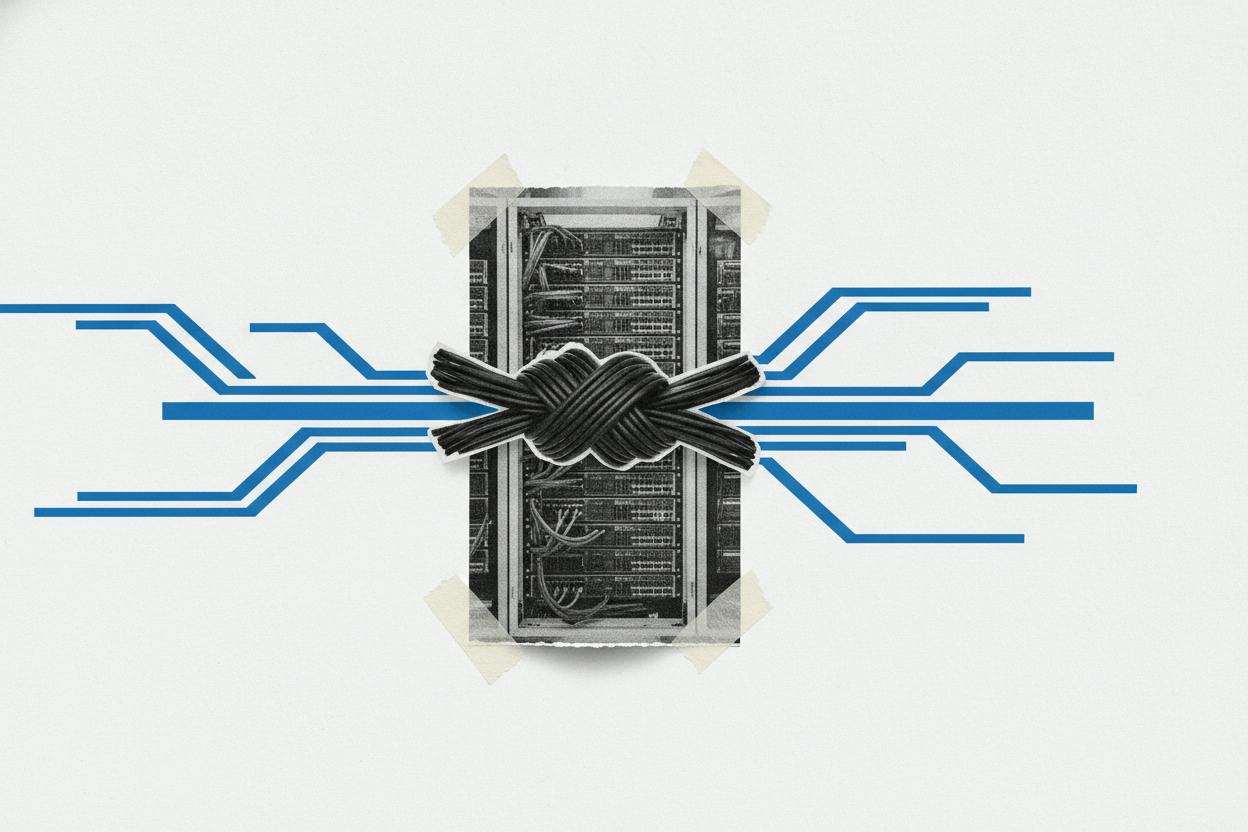
When companies train and run AI models, they rely on massive clusters of computers working together. That creates heavy “east-west” traffic — data moving between servers inside a data center, rather than just in and out to the internet. The switches, routers, and optical links that handle this traffic can quickly become the choke point. If the network is too slow, the expensive compute power sitting in those servers goes to waste.
That dynamic makes networking spending less optional than a one-off server purchase. A company can delay buying new servers, but if its network can't handle the data flow, the entire AI operation stalls. Cisco, a longtime leader in networking hardware and software, is betting that this need will drive repeated upgrades over several years, not just a single catch-up wave.
The company is also trying to attach more software and security services to its hardware upgrades. That strategy aims to turn a one-time equipment sale into a steadier stream of higher-margin recurring revenue, which investors often value more highly than lumpy hardware sales.
What the new targets mean for investors
Cisco's updated guidance sets a higher floor for how much AI-linked demand it expects from the largest cloud companies. The key question for the market is whether that $9 billion figure reflects a durable buildout — repeated upgrades to keep giant AI clusters usable — or a single cycle that fades once the worst bottlenecks are cleared.
If the multi-year cycle thesis holds, Cisco could benefit from a longer runway of AI-related spending than some investors expect. The company's shift toward software and security also suggests it wants to capture more value from each networking upgrade, potentially improving profit margins over time.
However, the story also highlights a broader shift in the AI investment narrative. For much of the past year, the spotlight has been on chipmakers like Nvidia, which make the processors that power AI training. But as those chips become more powerful, the networking infrastructure around them becomes increasingly critical. That's why deals like Marvell's $115 billion Lumentum deal are also betting big on AI networking demand.
For everyday investors, Cisco's guidance is a reminder that AI's impact on corporate earnings isn't limited to the companies that design the chips. The entire ecosystem — from networking gear to optical components to data center construction — is being reshaped by the AI buildout. Companies that provide the “plumbing” of AI could see sustained demand even as the pace of chip upgrades slows.
What to watch next
Investors will likely keep an eye on Cisco's quarterly results for signs that the hyperscaler spending is translating into actual orders. They'll also watch whether other networking companies report similar trends, which would support the idea of a broad-based cycle rather than a Cisco-specific story.
The company's ability to win switch, router, and optical deals as AI traffic grows will be a key metric. If Cisco can maintain its market share while expanding its software and security offerings, the multi-year cycle could provide a solid foundation for growth.
For now, the raised guidance is a confident statement from a company that has often been seen as a slower-growing player in the tech sector. Whether that confidence is justified will depend on how quickly AI networking demand translates into revenue — and whether the cycle truly lasts for years, not just quarters.