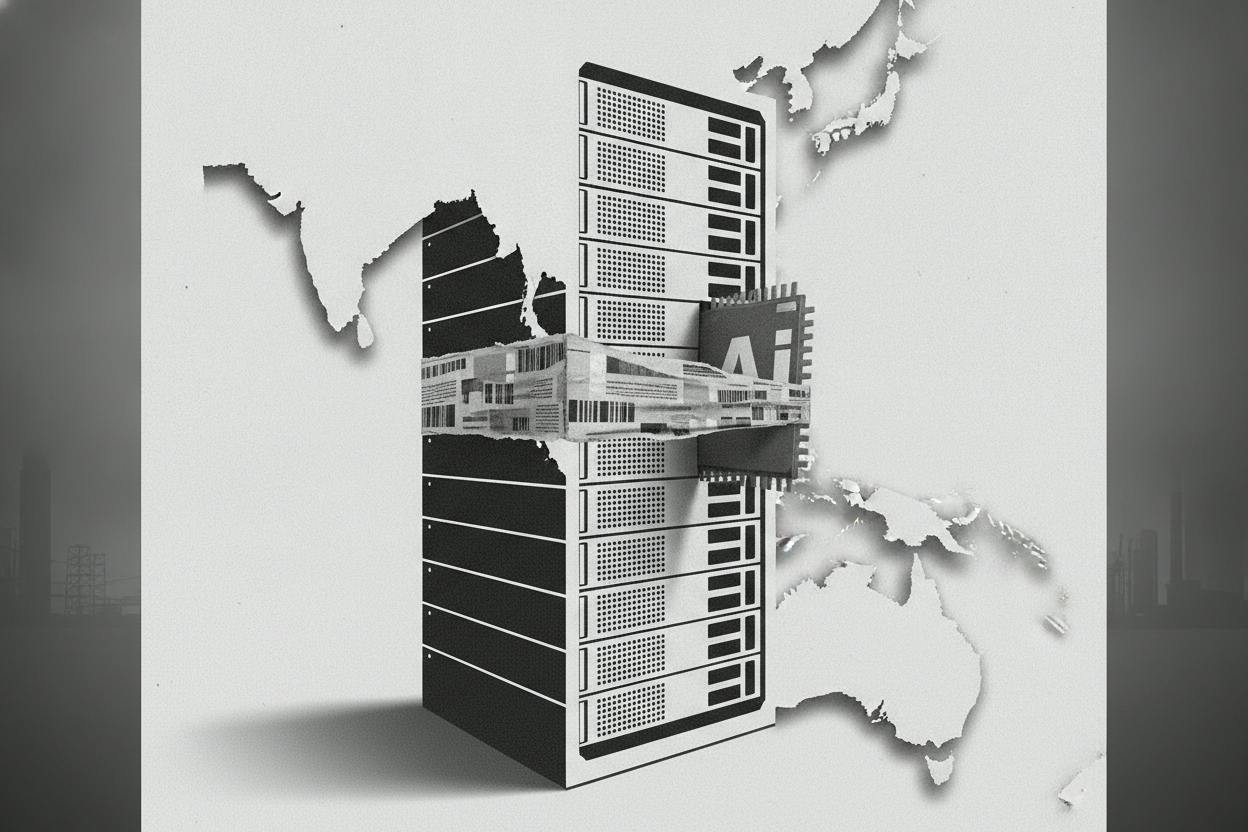
Southeast Asia's rapid buildout of artificial intelligence data centers is colliding with tighter US scrutiny of advanced chip exports. Lawmakers from both US parties are pushing to close a loophole that lets Chinese companies rent computing power from overseas data centers, and Malaysia is now weighing new rules to monitor how chips are used. The result could be a slowdown in a region that has become a key hub for AI infrastructure.
What's happening
The US already blocks exports to China of Nvidia's most advanced AI chips. But Chinese firms can still access that computing power indirectly by renting server capacity from data centers in countries like Malaysia, Singapore, Thailand, and Indonesia. US lawmakers want to close that gap, potentially imposing new licensing and reporting requirements on those hubs, according to a Wall Street Journal report.
Malaysia said Thursday it is considering a law to monitor data center operations, including the use of high-performance chips. The goal is to ensure that restricted chips are imported for domestic use rather than re-exported to China. The move follows a case that pulled Singapore and Malaysia into an investigation linked to Chinese businesswoman Alice Huang.
The stakes are high. Malaysia has approved 385.7 billion ringgit (about $82 billion) of data center-related investment since 2021, according to the brief. That pipeline represents a massive bet on AI infrastructure, but new compliance requirements could slow it down.
Why the rules are changing
Current US export controls focus on the point of sale: who buys the chips and where they are shipped. But the loophole is that Chinese companies can rent computing power remotely, using chip-backed systems without ever taking physical possession of the hardware. Lawmakers want to shift the focus to the point of use, requiring operators to document where every chip physically sits and who the end user is.
As Shenton Research, an analyst firm, puts it: "Proof of where every chip sits and who it serves is now part of the product." That shift could turn AI capacity into a paperwork-heavy asset, with operators needing to track chips from arrival to installation to ongoing use.
Industry executives warn that extra compliance could delay deliveries and commissioning of new data centers. Even if demand for AI computing keeps rising, the short- to medium-term shock could be significant. Projects that were expected to come online quickly might now face longer timelines as operators navigate new licensing and reporting requirements.
What it means for investors
For data center operators, developers, and their financiers, the near-term risk isn't just "can we source chips?" It's whether projects can clear a thicker compliance-and-licensing layer that proves chip location and end users. More checks often mean longer timelines before a site is fully switched on and paid for, which can raise costs and the required return for new builds.
Singapore's disclosure earlier this year highlighted the scale of the issue: it said 22% of Nvidia chip sales were booked to entities with operations in Singapore, but only 1% physically came to Singapore. That gap suggests a significant portion of chips are being used remotely, which is exactly what US lawmakers want to close.
If controls follow the hardware into the rack, the gap between approved investment and revenue-generating IT load could widen, especially in Malaysia with its large pipeline. Investors should watch for delays in project commissioning and any signs that operators are struggling to meet new compliance standards.
The broader context is that AI data centers are a key growth area for the region, but they are also becoming a geopolitical flashpoint. The US is trying to prevent advanced chips from reaching China, while Southeast Asian countries are trying to attract investment in AI infrastructure. Balancing those goals will be tricky.
For everyday investors, the takeaway is that AI infrastructure is not just about technology—it's also about regulation. Companies that can navigate the new rules efficiently may benefit, while those that struggle could see their projects delayed and costs rise. As always, it's important to understand the risks before investing in any sector.
Related coverage: Nvidia chips traced to Shanghai and Microsoft and Chevron's data center power deal.