Constellation Brands, the company behind popular beer brands Corona and Modelo, reported quarterly earnings that beat Wall Street's expectations. The strong performance came as consumers continued to reach for its Mexican beer portfolio, even as the company made the unusual move of withdrawing its fiscal 2028 outlook.
What Happened
The beverage giant posted profit figures that topped analyst estimates, a result largely attributed to consistent demand for its core beer brands. Corona and Modelo have been standout performers in the beer market, where many competitors have struggled with shifting consumer preferences and rising costs.
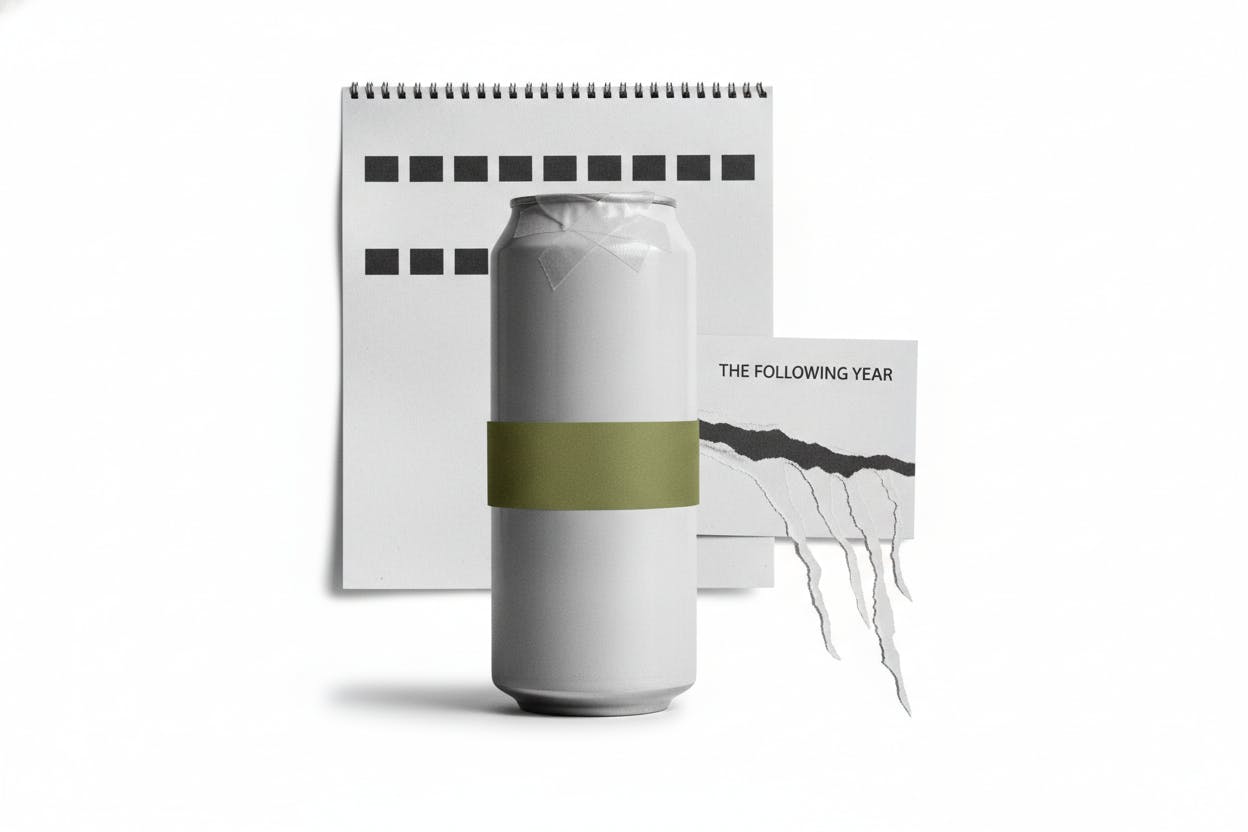
While the earnings beat was a positive signal, the company also announced it was pulling its long-term fiscal 2028 financial forecast. Constellation kept its fiscal 2027 guidance in place, suggesting that near-term visibility remains solid but longer-term uncertainties have increased.
Why It Matters for Investors
For everyday investors, this mixed message from Constellation Brands highlights a common tension in corporate reporting: strong current performance versus caution about the future. The decision to withdraw the 2028 outlook could reflect a range of factors, from macroeconomic uncertainty to potential shifts in the competitive landscape or input costs.
Beer companies like Constellation operate in a mature industry where growth often comes from premium brands and market share gains. The continued strength of Corona and Modelo suggests the company's strategy of focusing on high-end Mexican imports is paying off, even as broader consumer spending shows signs of strain.
Investors should note that pulling a multi-year forecast doesn't necessarily mean trouble ahead. Companies sometimes revise or withdraw long-term guidance when they see enough uncertainty that making accurate predictions becomes difficult. This can be a prudent move rather than a red flag.
Broader Market Context
The beer industry has faced headwinds from changing drinking habits, with younger consumers increasingly turning to spirits, hard seltzers, and non-alcoholic options. However, premium imported beers like Corona and Modelo have bucked the trend, maintaining a loyal customer base willing to pay higher prices.
Constellation's performance also comes at a time when consumer staples companies are generally seen as defensive investments. In uncertain economic times, steady demand for everyday products like beer can provide a buffer against market volatility. This dynamic may be particularly relevant as investors weigh the outlook for interest rates and economic growth.
For comparison, other companies in the consumer space have faced challenges. For instance, Jack in the Box recently announced a plan to close underperforming stores to address its debt load, highlighting the pressure on some consumer-facing businesses.
What to Watch Next
Investors will be watching for several key factors in the coming quarters. First, whether Constellation can maintain its beer sales momentum in the face of potential economic slowdown. Second, any updates on the company's cost structure and pricing power. Third, whether the company eventually reinstates a longer-term outlook once visibility improves.
The company's decision to keep its fiscal 2027 guidance suggests management sees a relatively clear path for the next couple of years. However, the withdrawal of the 2028 forecast indicates that beyond that horizon, the picture becomes murkier.
For those following the broader market, the earnings beat from a major consumer staple like Constellation could be seen as a positive sign for the economy. Strong demand for premium beer brands suggests that consumer spending, at least in certain categories, remains resilient.
In other earnings news, AeroVironment shares surged 30% on strong earnings, showing that company-specific factors can drive significant moves regardless of the broader market environment.
Bottom Line
Constellation Brands delivered a solid earnings beat thanks to its powerhouse beer brands, but the withdrawal of its fiscal 2028 outlook introduces an element of caution. For everyday investors, the takeaway is that the company's core business remains healthy in the near term, but longer-term uncertainties warrant attention. As always, diversification across sectors and investment styles remains a prudent approach.