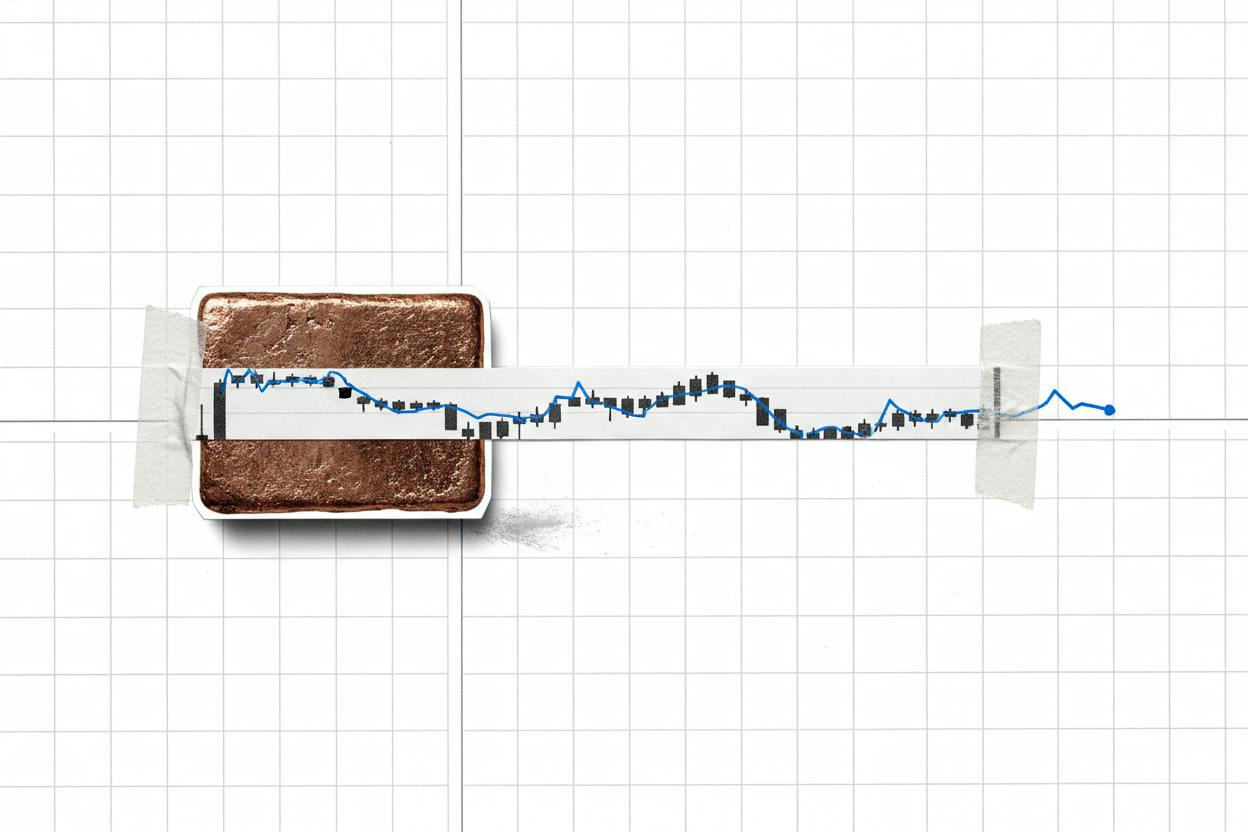
Copper prices in London edged up on Friday, but the metal still closed the week in the red, as traders took their cues from a shaky AI-driven tech selloff and fresh signs that US inflation is proving stubborn. The modest daily gain wasn't enough to erase losses accumulated earlier in the week, when jitters about the artificial-intelligence trade and hot inflation data weighed on industrial metals.
The move underscores how closely copper has become tied to the fortunes of AI-related stocks. Copper is a key component in electronics, data centers, and power infrastructure—all central to the AI buildout. As a result, when chip stocks wobble, copper often follows, even if the underlying physical demand for the metal hasn't changed.
Why copper is following tech stocks
Copper has long been seen as a bellwether for the global economy, with prices reacting to manufacturing activity, construction, and infrastructure spending. But in recent months, its fate has become increasingly intertwined with the tech sector, particularly companies tied to artificial intelligence. AI data centers require vast amounts of copper for wiring, cooling systems, and power distribution, making the metal a sort of "pick-and-shovel" play on the AI boom.
That connection was on full display this week. As chip stocks lost value and investors questioned whether AI spending could justify its hefty price tags, copper prices slid in sympathy. The metal's weekly loss came even as some analysts point to tight physical supply and steady demand from traditional sectors like construction and electric vehicles.
The relationship works both ways. When AI stocks rally, copper often gets a boost, as happened in recent weeks when optimism about AI-driven demand helped push prices higher. This week's pullback shows that the reverse is also true: when the AI trade hits turbulence, copper feels the sting.
Sticky inflation adds to the pressure
Adding to the drag on copper was another reminder that US inflation isn't cooling as quickly as hoped. Recent data showed producer prices rising more than expected, a sign that price pressures remain entrenched. That matters for copper because it influences expectations for interest rates. Higher-for-longer rates tend to strengthen the dollar, which makes dollar-priced commodities like copper more expensive for overseas buyers, and they can also slow economic growth, reducing demand for industrial metals.
The inflation backdrop has also rattled broader markets. Stocks managed to rise despite the hot producer price index, helped by a pullback in Treasury yields, but the underlying tension remains. Investors are now watching to see whether the Federal Reserve will cut rates this year or hold them steady, and each inflation print shifts those odds.
For copper, the combination of AI-driven sentiment and macro data creates a volatile mix. Traders are essentially pricing in two forces at once: the long-term story of AI-driven demand and the short-term reality of interest rates and inflation.
What it means for investors
For everyday investors, the key takeaway is that copper is no longer just a simple bet on the global economy. It's now also a proxy for the AI trade. That means copper prices—and the shares of copper miners and related ETFs—can move on news that has nothing to do with mines or smelters, like an earnings report from a big chipmaker or a comment from a tech CEO about AI spending.
This week's action is a reminder that diversification matters. If you hold copper-related investments as a hedge against inflation or as a play on industrial growth, be aware that they now carry a tech-sector flavor. A downturn in AI sentiment can hit copper even when physical demand looks solid.
Looking ahead, investors will be watching several things. First, whether the AI trade stabilizes or continues to wobble—AI debt fears have already rattled tech stocks this year. Second, the path of US inflation and interest rates, which will shape the dollar and global growth expectations. And third, any signs of a pickup in Chinese demand, since China is the world's biggest copper consumer. Chinese AI firms have been stepping in to steady their own markets, but broader economic weakness there remains a drag on metals.
For now, copper's weekly dip is a useful illustration of how interconnected today's markets have become. A metal that once moved on supply disruptions and construction data now also moves on the latest AI headlines. That's a trend that's likely to continue as the AI buildout accelerates.