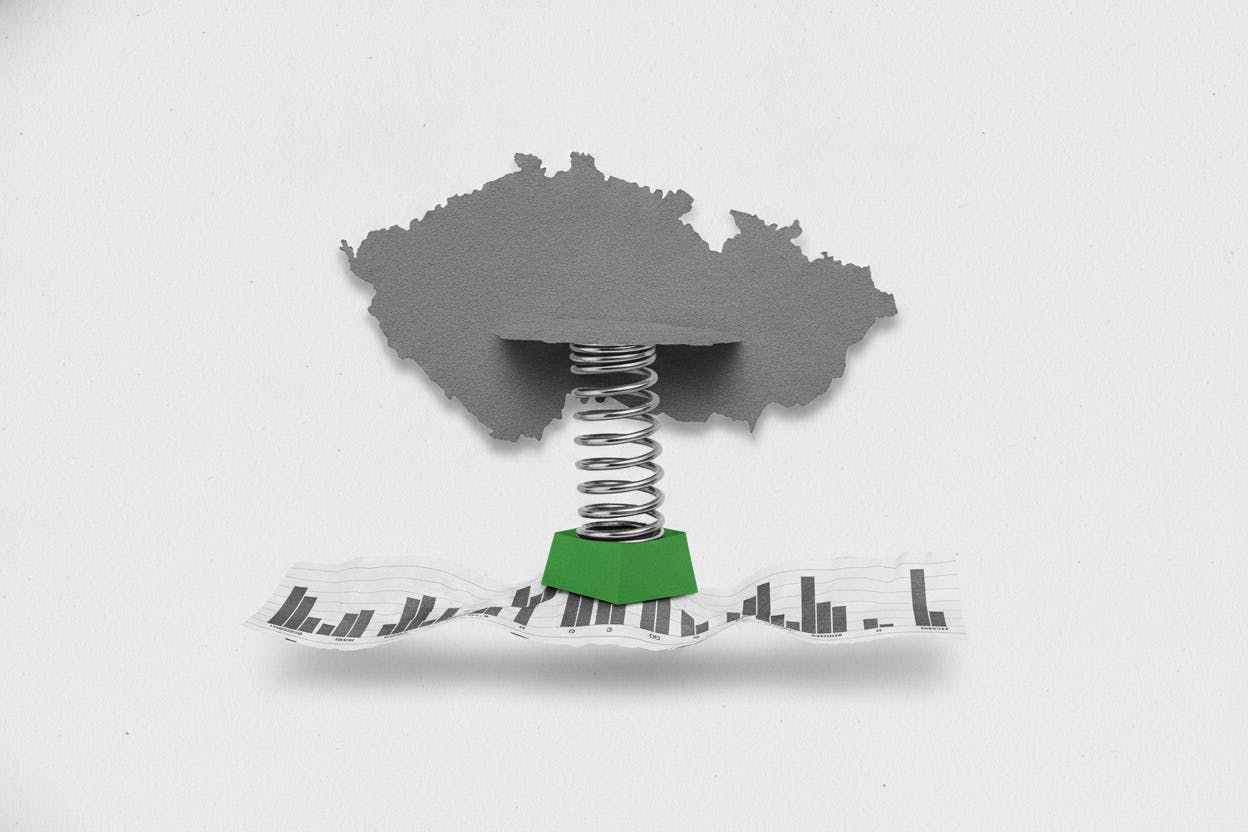
The Czech Republic's inflation rate held steady at 1.9% year-on-year in August, matching the previous month and staying within the central bank's tolerance band. But beneath the calm headline, the details show that price pressures are still simmering in key parts of the economy, keeping the Czech National Bank (CNB) from signaling any imminent rate cuts.
According to the Czech Statistical Office, consumer prices rose 0.3% from July. The monthly increase was driven by higher costs for services and energy, while food prices provided some relief by falling 1.1% on the month.
Services and energy keep the pressure on
The composition of the inflation data matters as much as the overall number. Services prices were up 4.5% from a year earlier, a pace that remains well above the central bank's 2% target. Energy prices rose 2.3% year-on-year and 2.2% month-on-month, adding to the sense that the disinflation trend has stalled.
Food prices, which had been a major driver of inflation earlier in the cycle, are now acting as a drag on the headline figure. That mix—sticky services and energy costs offset by falling food prices—explains why the overall rate has settled at 1.9% rather than falling further.
For the CNB, the challenge is that services inflation is often seen as a more persistent component, reflecting domestic demand and wage pressures rather than temporary supply shocks. As long as services prices keep rising at that pace, policymakers are likely to remain cautious about loosening monetary policy.
What it means for the Czech National Bank
The central bank has been in a tightening cycle for much of the past two years, raising its key interest rate to combat inflation that peaked well above 10% in 2022. With inflation now back near target, the debate has shifted to when—not whether—the CNB will start cutting rates.
But August's data suggests that the path to rate cuts is not straightforward. The persistent services inflation and the recent uptick in energy prices give the bank little reason to rush. Markets are now pricing in a higher chance that the CNB holds rates steady at its next meeting, and some analysts have pushed back their expectations for the first cut.
This is not just a Czech story. Central banks across Europe and the United States are grappling with the same dilemma: headline inflation has fallen, but underlying price pressures in services remain stubborn. The U.S. Federal Reserve, for example, has said it will be data-dependent, with inflation data, not jobs, likely to decide its September move. Similarly, the European Central Bank has been cautious about declaring victory over inflation.
What it means for investors
For everyday investors, the main takeaway is that interest rates in the Czech Republic are likely to stay higher for longer than many had hoped. That has several implications:
- Savings accounts and bonds: Higher rates mean that cash deposits and short-term government bonds continue to offer attractive yields. If you hold Czech koruna assets, the current environment still favors savers.
- Mortgages and loans: Borrowers, especially those with variable-rate mortgages, will not see relief anytime soon. Fixed-rate borrowers are shielded for now, but new loans will remain expensive.
- Equities: Companies that rely heavily on domestic consumer spending may face headwinds if rates stay high, as borrowing costs remain elevated and households have less disposable income. On the other hand, exporters could benefit from a weaker koruna if the CNB keeps rates high relative to other central banks.
The koruna itself has been sensitive to rate expectations. If the CNB delays cuts, the currency could stay supported, which is good for importers but a drag on exporters' competitiveness.
Looking ahead
The next key data point will be the September inflation reading, due in mid-October. If services inflation shows signs of cooling, the case for a rate cut later this year will strengthen. If it remains hot, the CNB could stay on hold well into 2025.
Investors should also watch the central bank's quarterly forecast, which will be updated in November. That will give a clearer picture of how policymakers see the balance of risks between inflation and economic growth.
For now, the message from Prague is clear: inflation may have settled, but the debate over rate policy is far from over.