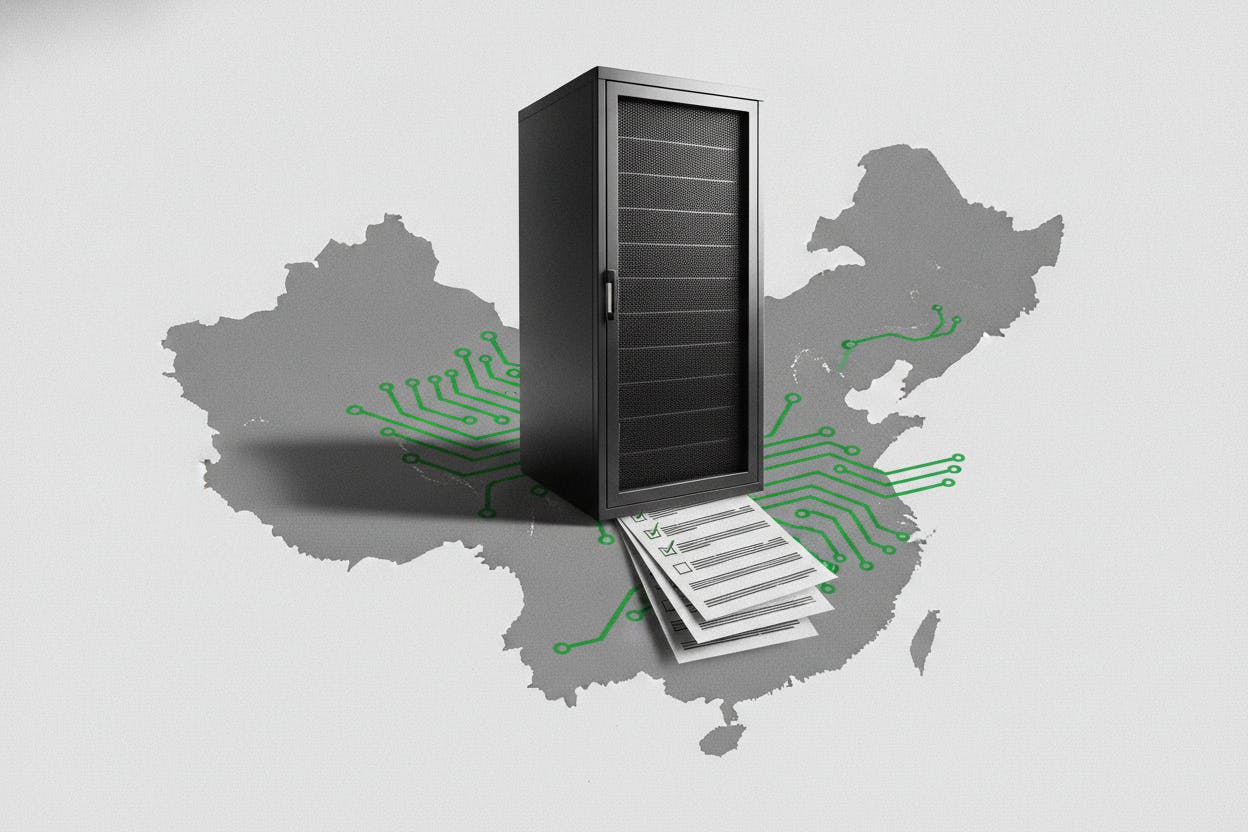
DeepSeek, the Hangzhou-based artificial intelligence startup that has drawn global attention for its low-cost, high-performance models, is taking its first concrete steps toward a public listing in mainland China. According to Reuters, the company has hired CITIC Securities, one of China's largest investment banks, to begin preparations for a listing on the Shanghai Stock Exchange's STAR Market.
The STAR Market, launched in 2019, is China's answer to Nasdaq, designed to attract technology and innovation-driven companies. A listing there would give DeepSeek access to a deep pool of domestic capital, which it says it needs to fund compute infrastructure and attract top talent in an increasingly competitive AI landscape.
What the move means
Reuters reports that DeepSeek has begun discussing a domestic listing with CITIC Securities and could start the formal process this year. In China, that typically means entering a phase known as “pre-listing tutoring,” where the underwriter helps the company scrub its governance, financial reporting, and disclosures to meet regulatory standards before a formal IPO application is submitted.
This is a standard but crucial step. It signals that DeepSeek is serious about going public and is willing to undergo the intense scrutiny that comes with listing on a major exchange. For a company that has been known for its secrecy and unconventional approach, this marks a significant shift toward institutionalization.
The move also comes at a time when Chinese regulators have been tightening rules for tech IPOs, particularly in emerging fields like humanoid robotics, as seen with recent changes after Unitree's volatile debut. While AI is not yet subject to the same specific restrictions, the regulatory environment remains cautious, and DeepSeek will need to navigate it carefully.
Why DeepSeek needs the money
DeepSeek's rise has been meteoric. Its open-source models have been praised for achieving results comparable to Western rivals at a fraction of the cost, shaking assumptions about the capital intensity of AI development. But scaling up still requires enormous investment.
Compute is the lifeblood of AI. Training and running large language models demands vast arrays of specialized chips, data centers, and energy. DeepSeek has reportedly been working to secure more computing power, and a public listing would provide a reliable, long-term funding channel.
Talent is the other major cost. The global race for AI researchers and engineers has driven salaries to astronomical levels, and DeepSeek will need to offer competitive packages to retain and attract the people who build its models. A public listing, with the potential for stock-based compensation, can be a powerful tool in that fight.
The broader context is also important. China has been making a strategic push to become self-sufficient in semiconductors and AI, with semiconductors increasingly powering China's trade engine. A successful DeepSeek IPO would be a feather in the cap for Beijing's tech ambitions.
What it means for investors
For everyday investors, the news is a reminder that the AI boom is not just a US story. Chinese tech companies are racing to capitalize on the same wave, and the STAR Market is becoming a key venue for that.
If DeepSeek does list, it could be one of the most anticipated tech IPOs in China in years. But investors should be cautious. The STAR Market has seen its share of volatile debuts, and AI valuations are notoriously difficult to pin down. Companies in this position often trade on hype as much as fundamentals, and the regulatory landscape can shift quickly.
For now, the listing is still in its early stages. There is no guarantee that DeepSeek will complete the process, or that it will happen this year. But the hiring of CITIC Securities is a clear signal that the company is thinking about its long-term future and the capital it will need to stay competitive.
Investors should watch for further developments, including any formal filing with the Shanghai Stock Exchange. That will provide more details on DeepSeek's financials, its valuation, and how it plans to use the proceeds. Until then, the news is a sign of the times: AI is expensive, and even the most efficient startups need deep pockets to keep pushing the envelope.