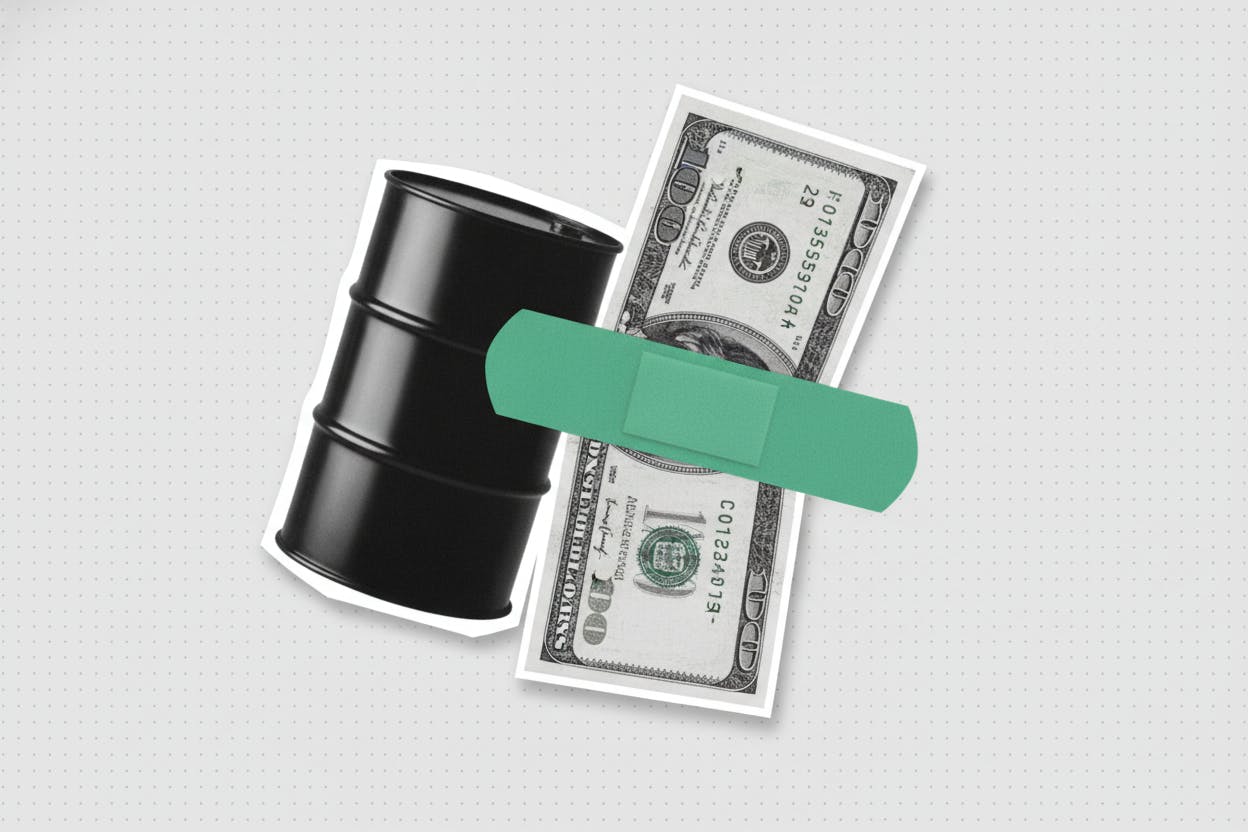
The dollar eased on Thursday after a cooler-than-expected reading on wholesale inflation reinforced expectations that the Federal Reserve will hold interest rates steady for now. But the move was tempered by geopolitical tensions that kept oil prices elevated, leaving currency markets in a cautious mood.
What happened with PPI?
The Producer Price Index (PPI), which measures what US producers charge for goods and services, fell 0.3% in June. That was a surprise to the downside, as economists had expected a modest increase. The drop suggests that price pressures at the wholesale level are easing, which can eventually feed into lower consumer inflation.
For the Fed, softer PPI data gives policymakers more room to keep rates unchanged without worrying that inflation is accelerating. Traders responded by dialing back the odds of a December rate hike to about 74%, down from roughly 80% before the release. The dollar index, which tracks the greenback against a basket of major currencies, slipped to 100.79.
This is a notable shift because the dollar has been supported this year by the Fed's relatively hawkish stance compared to other central banks. When rate hike expectations fall, the dollar's yield advantage narrows, making it less attractive to investors seeking higher returns.
Oil prices complicate the picture
While the inflation data was welcome news for those hoping for a more patient Fed, the energy market is telling a different story. Renewed US strikes on Iran and a US naval blockade of Iranian ports have pushed oil prices near one-month highs. Higher energy costs can feed back into inflation, potentially offsetting some of the relief from lower producer prices.
This creates a tricky dynamic for the dollar. On one hand, a softer inflation outlook reduces the case for further rate hikes, which typically weighs on the currency. On the other hand, geopolitical turmoil often boosts demand for the dollar as a safe haven, and higher oil prices can hurt the growth prospects of major US trading partners more than the US itself, providing another source of support.
As we noted in our earlier coverage of oil's response to the Iran strikes, traders are weighing these conflicting forces carefully.
What it means for investors
For everyday investors, the key takeaway is that markets are sending a mixed signal. The PPI data suggests the Fed can afford to be patient, which is generally positive for risk assets like stocks. But the oil price spike is a reminder that inflation risks haven't disappeared, and that geopolitical events can quickly shift the outlook.
The dollar's modest decline is unlikely to trigger major moves in most portfolios, but it does have implications for anyone holding international investments. A weaker dollar boosts the value of foreign holdings when converted back to US dollars, and it can also support emerging market assets that benefit from easier global financial conditions.
However, as our analysis of the dollar's recent steadiness highlighted, the currency has been caught between opposing forces for weeks. The PPI surprise may have tipped the balance slightly, but the oil-driven safe-haven bid could limit further downside.
Looking ahead
Investors will now watch for the next consumer price index (CPI) report, which provides a more direct read on the inflation that households face. If CPI also comes in soft, it would strengthen the case for a prolonged Fed pause and could push the dollar lower. But if energy costs start showing up in consumer prices, the narrative could quickly reverse.
For now, the market's message is one of caution. The Fed has room to wait, but the geopolitical backdrop means that patience is not the same as complacency. As we saw with the Bank of Canada's recent decision to hold rates steady amid sticky oil-driven inflation, central banks around the world are grappling with similar cross-currents.
The bottom line: the dollar's dip is a logical response to softer inflation data, but don't expect a one-way move. With oil near one-month highs and tensions in the Middle East unresolved, the greenback may trade in a range rather than break decisively lower.



