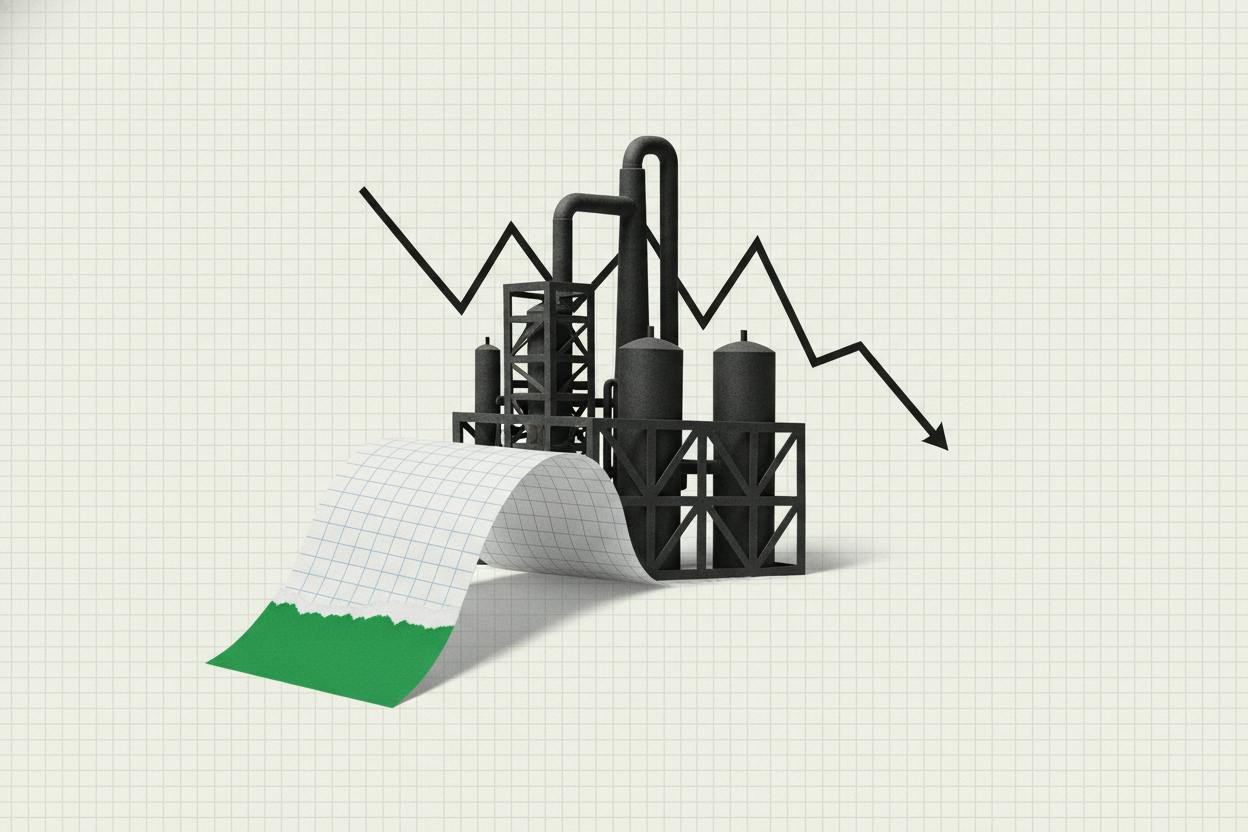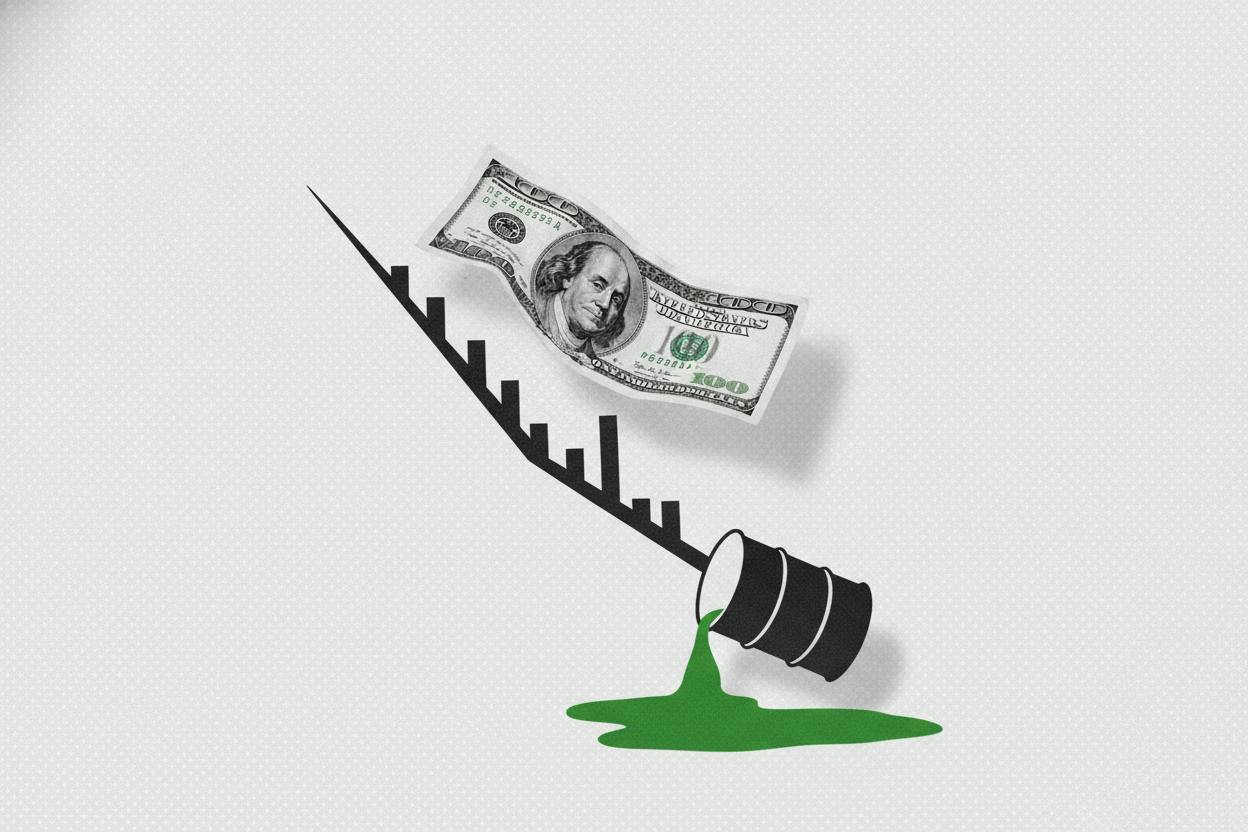
The US dollar slipped again on Thursday, extending its post-midterm decline, as a sharp drop in oil prices and lower Treasury yields encouraged investors to take on more risk. The move came after Democrats won control of both the Senate and the House, a political reset that markets quickly translated into cheaper energy and a bond rally.
According to Reuters, the dollar index fell to 101.22, while the Japanese yen and the euro both strengthened against the greenback. The shift was driven by two forces: falling Treasury yields, which reduce the dollar's interest-rate advantage, and a calmer investor mood, which lessens the demand for the dollar as a safe haven.
Oil's drop is the standout
Rodrigo Catril, a strategist at National Australia Bank, highlighted oil's decline as the most significant move. Cheaper energy can cool inflation expectations, which in turn can pull down interest rates. That dynamic matters for currencies because when Treasury yields fall, the dollar loses some of its appeal relative to other currencies offering higher returns.
The drop in oil also eased concerns about inflation, a key worry for central banks. Lower energy costs can reduce the pressure on consumers and businesses, potentially giving the Federal Reserve more room to slow its rate-hiking campaign. However, rate expectations barely budged, suggesting the dollar's dip was more about yields and sentiment than a fundamental shift in the Fed's near-term path.
Fed expectations remain steady
Derivatives pricing tracked by CME FedWatch still implied an 80.7% chance of at least a quarter-point rate hike in December, up only slightly from 77.4% the prior session. That small increase suggests investors are not significantly changing their view on the Fed's next move. Instead, the dollar's weakness appears to be a reaction to the broader market environment.
Thursday's trading was a reminder that “Fed expectations” isn’t just about whether the central bank hikes next month. A small nudge in implied odds from 77.4% to 80.7% doesn’t add much new support for the dollar if longer-term Treasury yields are moving lower and investors are shifting toward riskier assets.
That mix can pressure the greenback through two channels at once: falling yields reduce how attractive dollar assets look versus other countries’ rates, and risk-on markets cut the need for a safe place to park money. That’s why currency pairs most sensitive to yield gaps and sentiment can keep leaning against the dollar – including USD/JPY around 157.84 and EUR/USD near $1.1263 – even without a major change in the market’s December Fed “base case.”
What it means for investors
For everyday investors, the dollar's slide has several implications. A weaker dollar can boost the returns of international investments when converted back to US dollars, and it can also support commodity prices, which are often priced in dollars. The drop in oil, meanwhile, could ease pressure on energy costs, potentially helping consumers and businesses.
However, the dollar's direction is not solely determined by politics. The upcoming US jobs data will be the next big test for the December rate-hike baseline. Strong employment numbers could reinforce expectations for a hike and support the dollar, while weak data could raise doubts and push the greenback lower.
The broader market reaction to the midterms has been positive, with stocks and bonds rallying. As stocks and bonds surged on the Democratic sweep, investors are betting that a divided government (with Democrats controlling Congress but the presidency still in Republican hands) will limit major policy changes, reducing uncertainty. This has also helped calm markets, as seen in Australia's ASX 200 jumping 2.6% and New Zealand shares climbing 2.2%.
The softer dollar has also provided relief in emerging markets, with the Chinese yuan steadying and copper prices climbing as the greenback's decline made dollar-priced metals cheaper for foreign buyers. Similarly, Indian bonds rallied on the oil slide and softer dollar, easing inflation fears.
For now, the dollar's weakness appears to be a yield-and-sentiment story rather than a fundamental shift in Fed policy expectations. Investors will be watching the jobs report closely for clues about the central bank's next move. If the data comes in strong, the dollar could regain some footing; if it disappoints, the greenback may continue to slide.
As always, it's important to remember that currency movements are just one piece of the investment puzzle. Diversification across asset classes and regions can help manage the risks associated with currency fluctuations.