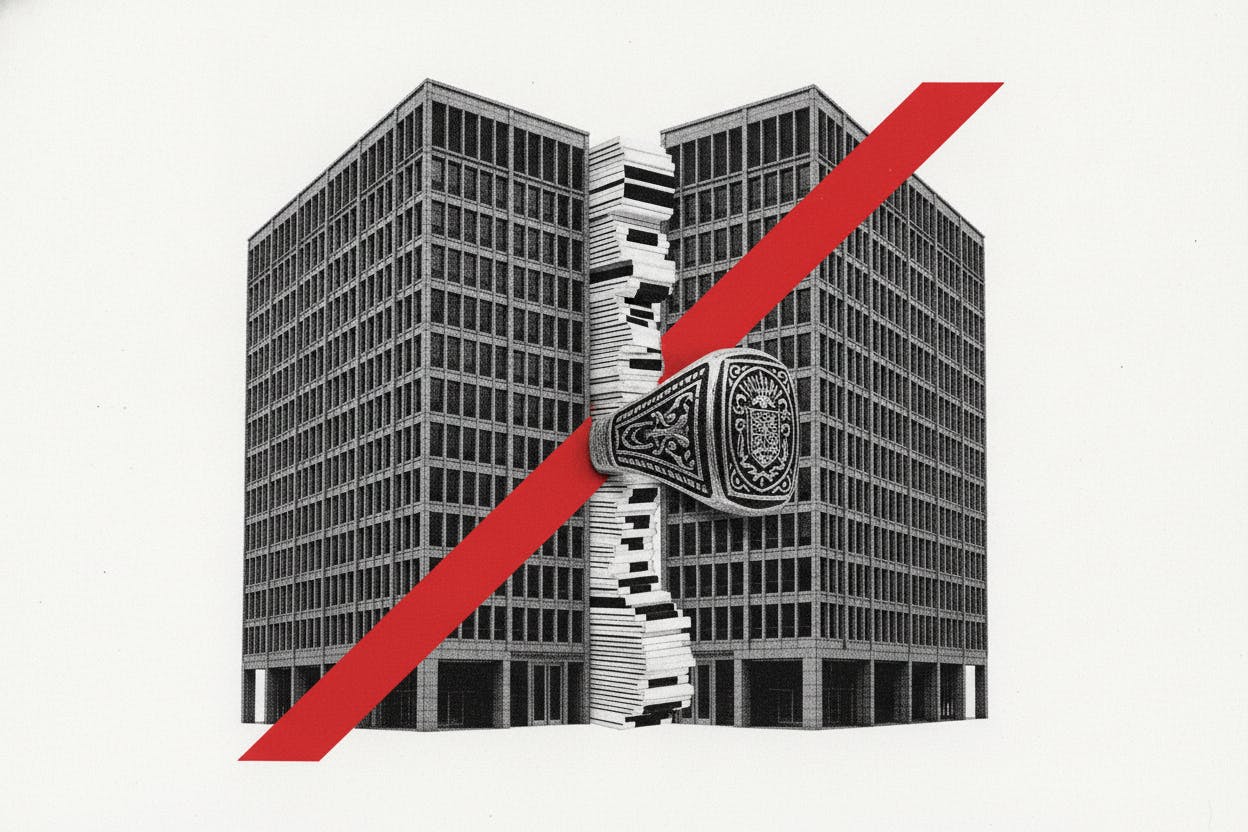
Some of Europe's biggest banks are quietly shifting billions of dollars in corporate loan risk off their balance sheets—without actually selling the loans. According to a Bloomberg report, Santander, BBVA, and Deutsche Bank are lining up "significant risk transfer" (SRT) deals tied to at least $17.5 billion in loans.
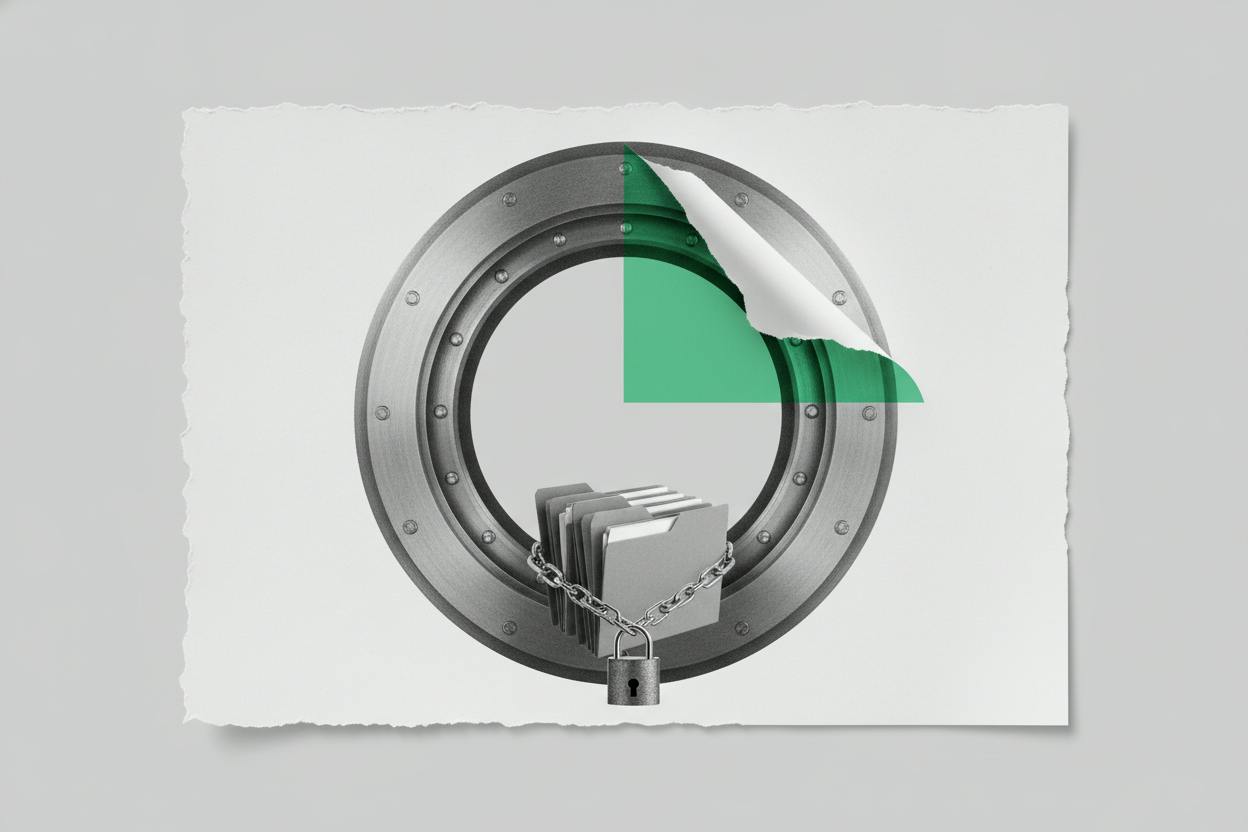
SRT deals are a financial tool that has grown in popularity among European lenders in recent years. They allow a bank to keep a loan on its books but pay outside investors—often hedge funds or other institutional players—to take on a defined slice of the credit losses if borrowers default. In exchange for that risk, investors receive a return, typically in the form of regular payments tied to the loan's performance.
For the bank, the main benefit is regulatory. By transferring a portion of the credit risk, the bank can reduce its "risk-weighted assets"—a regulator's way of sizing how risky a loan book is. That, in turn, improves key capital ratios like Common Equity Tier 1 (CET1), which is a core measure of a bank's financial cushion. A higher CET1 ratio signals to regulators and investors that the bank has a stronger buffer against unexpected losses.
Why banks are doing this now
The timing is no accident. European banks are navigating a period of economic uncertainty, with higher interest rates and slowing growth raising concerns about corporate defaults. While many lenders have reported solid profits recently, they are also under pressure to maintain strong capital positions to satisfy regulators and shareholders.
SRT deals offer a way to manage that pressure without having to sell loans outright, which could disrupt customer relationships or lock in losses. Instead, the bank retains the loan and the customer, while offloading a portion of the risk. This approach has become a standard tool for European banks, particularly in countries like Spain and Germany, where regulators have encouraged its use.
The three banks involved—Santander and BBVA, both Spanish giants, and Deutsche Bank, Germany's largest lender—are among the most active users of SRT structures in Europe. The $17.5 billion figure represents a significant chunk of their combined corporate loan portfolios, though it is still a small fraction of their total assets.
What it means for investors
For everyday investors, the key takeaway is that these deals are a sign of prudence, not panic. Banks are proactively managing their risk exposure, which can be a positive signal for the stability of the financial system. When banks offload risk, they become more resilient to economic shocks, which is good for depositors and shareholders alike.
However, it's also worth understanding the flip side. SRT deals can be complex, and the investors who take on the risk are betting that defaults will stay low. If corporate defaults spike, those investors could face losses—but the banks themselves are better protected. This is a classic example of risk transfer: the risk doesn't disappear, it just moves to someone else.
For investors in bank stocks, a stronger capital position can support dividends and share buybacks, which are often tied to capital levels. It can also reduce the likelihood of a bank needing to raise fresh capital in a downturn, which would dilute existing shareholders.
That said, SRT deals are not a magic bullet. They can be costly, and regulators are keeping a close eye on how banks use them. If a bank relies too heavily on such structures, it could raise questions about the true quality of its loan book.
Broader context
This news comes as European banks are also dealing with other pressures. For instance, Deutsche Bank's own economists expect more rate hikes from the European Central Bank, which could squeeze borrowers and increase default risk. Meanwhile, rising oil prices are putting central banks in the spotlight, as they complicate the fight against inflation.
In other parts of the world, banks are facing similar challenges. Philippine banks are expected to weather a doubling of bad loans, according to S&P, showing that the issue of credit risk is global. And in Asia, Australian banks are helping lift the ASX 200, even as rate hike odds weigh on sentiment.
For now, the SRT deals from Santander, BBVA, and Deutsche Bank are a reminder that banks are actively managing their balance sheets in a uncertain environment. For investors, it's a sign that these institutions are taking steps to protect themselves—and by extension, their shareholders.
As always, it's important to remember that these deals are just one piece of the puzzle. Investors should look at a bank's overall financial health, including its capital ratios, loan quality, and earnings, before making any decisions. But the fact that major European banks are offloading risk is a development worth watching.