Eurozone government bond yields finally took a pause after a relentless climb, but they remain pinned near multi-year highs. The driver? Persistent worries that higher energy prices will keep inflation hot, and fresh scrutiny of France's public finances, which together have traders convinced the European Central Bank (ECB) isn't done raising interest rates.
After six straight sessions of rising yields, the region's benchmark 10-year yield dipped slightly on Tuesday. That small move is a reminder of a key bond market mechanic: when investors demand higher yields to compensate for risk or expected rate increases, bond prices fall. So a dip in yields means prices ticked up—but only modestly, and the broader trend is still upward.
Why energy and France are in the spotlight
The recent surge in yields has been closely tied to energy costs. Oil prices have been climbing, and pricier gas and electricity feed directly into consumer prices. For central banks, that's a problem: if energy keeps inflation elevated, they may need to keep rates higher for longer to bring it under control. That expectation is what pushes bond yields up, as investors sell bonds in anticipation of more rate hikes.
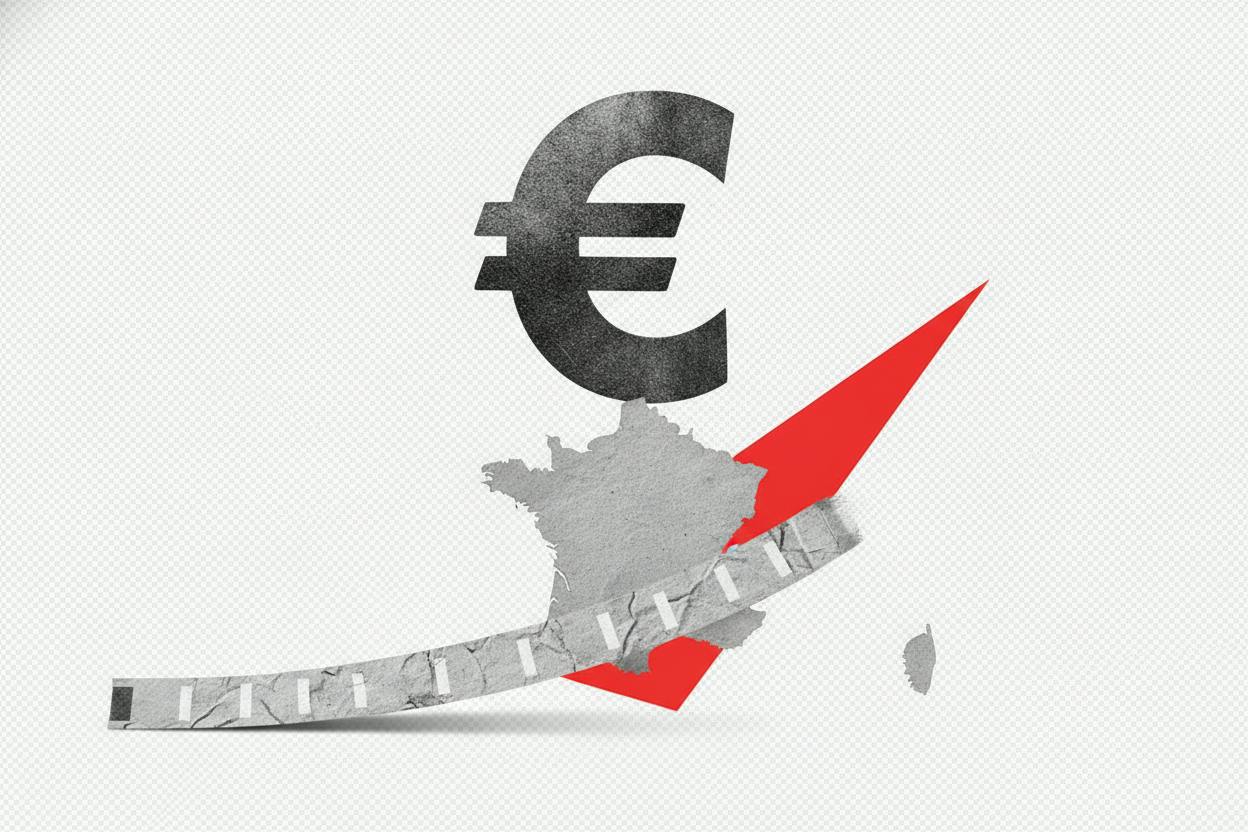
At the same time, investors are paying closer attention to France's fiscal situation. France has one of the largest economies in the eurozone, and its government debt levels are a key concern for bond markets. When investors worry about a country's ability to manage its debt, they demand higher yields on its bonds. That pressure can spill over to the wider eurozone, especially if it raises questions about the bloc's overall stability.
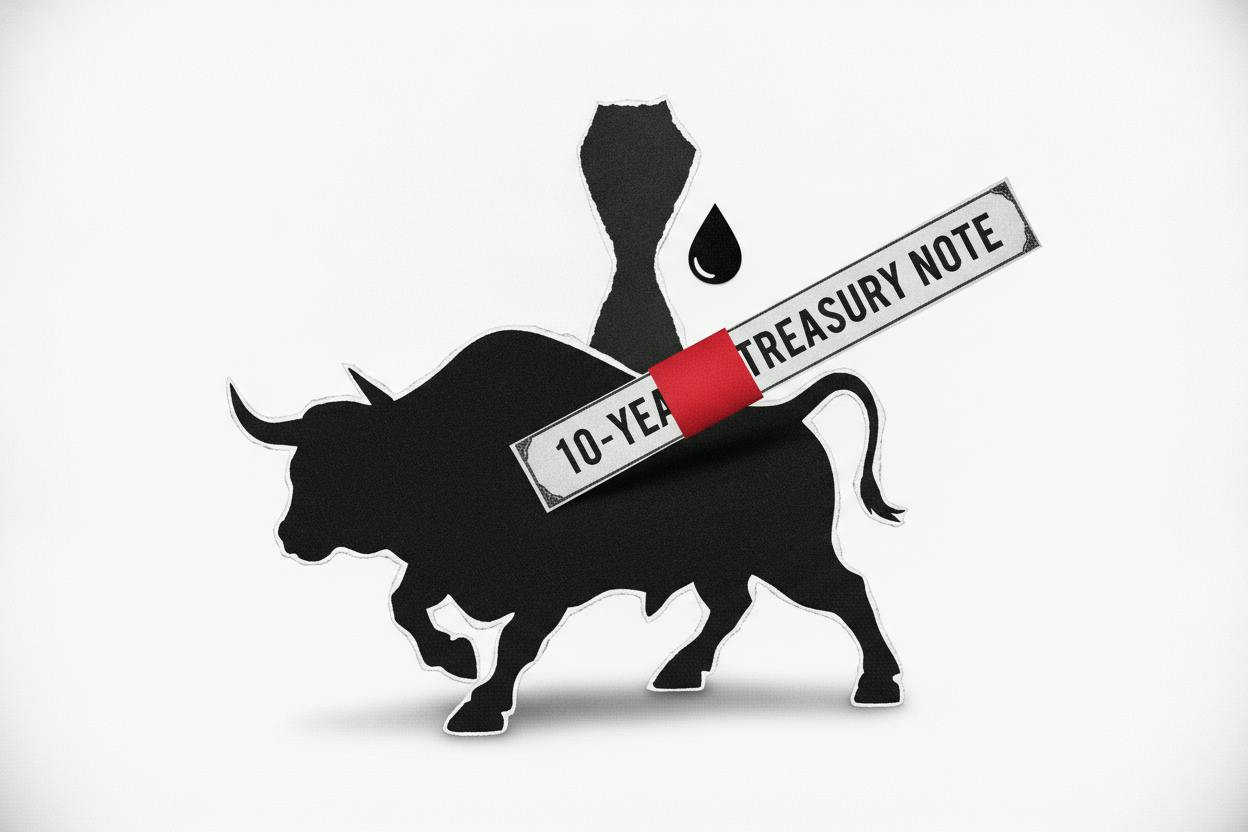
This isn't just a European story. Rising yields and oil prices have been rattling global markets, from Asia to the US, where Treasury yields have also hit multi-year highs. The interconnectedness means that what happens in Frankfurt or Paris can quickly ripple across the globe.
What this means for your money
For everyday investors, the key takeaway is that the era of ultra-low interest rates is firmly in the rearview mirror. When central banks raise rates, borrowing costs go up for everyone—from governments to businesses to consumers. That can weigh on stock prices, especially for growth companies that rely on future earnings, and it makes bonds more attractive as income-generating assets.
If you hold bond funds or ETFs, rising yields mean their prices have been falling, but the income they generate is now higher. For those with cash in savings accounts, higher rates are generally good news, as banks often pass on some of the increase to depositors.
But there's a catch: if inflation remains sticky, the real return on your savings—after accounting for price rises—might still be negative. That's why central banks are so focused on bringing inflation down, even if it means more rate hikes and more market volatility.
What to watch next
Investors will be watching two things closely: the path of oil prices and any signals from the ECB about its next moves. If energy costs keep climbing, expect more upward pressure on yields and more nervousness in stock markets. On the other hand, if inflation shows signs of cooling, the ECB might pause its hiking cycle, which could give bonds and stocks a breather.
France's fiscal situation is also a wildcard. Any news that raises doubts about the country's debt sustainability could push French yields higher, and that could drag the rest of the eurozone with it. Conversely, reassuring signals from Paris could help calm the market.
For now, the message from the bond market is clear: the era of cheap money is over, and investors need to get used to a world where yields are higher and volatility is more common. As always, diversification and a long-term perspective remain your best tools for navigating these choppy waters.