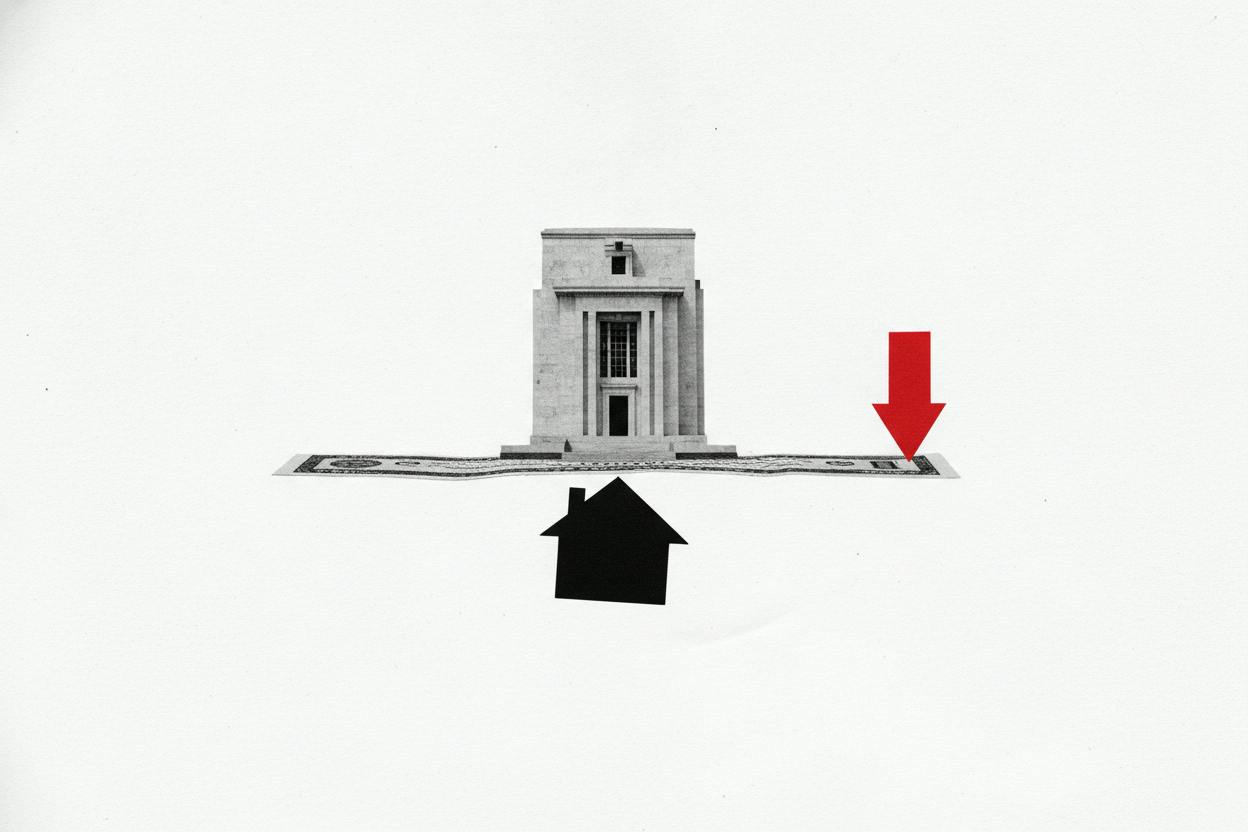
The Federal Reserve left its benchmark interest rate unchanged this week, but that didn't stop investors from selling off longer-dated US Treasuries. The yield on the 10-year and 30-year bonds climbed to their highest levels in two decades, a move that may feel counterintuitive at first—if the Fed isn't raising rates, why are long-term borrowing costs going up?
The answer lies in the Fed's tone and its upgraded view of the economy. In its latest statement, the central bank described the economy as "strong," pointing to firm business spending and a labor market that's still adding jobs. That's a more upbeat assessment than before, and it signals that the Fed is in no hurry to cut rates. For bond investors, that creates a tricky dynamic: if growth stays resilient, inflation could prove harder to cool, and no one can be sure how long rates will need to stay at restrictive levels.
Why long-term yields are rising
When the Fed holds its short-term policy rate steady, you might expect borrowing costs across the board to stay put. But the bond market doesn't work that way. The yield on a 10-year or 30-year Treasury isn't set by the Fed's overnight rate alone. It reflects what investors expect for inflation, economic growth, and the path of future policy over the next decade or more.
Even without pricing in an immediate hike, investors can push long-term yields up by demanding extra compensation for tying up their money for 10 to 30 years, where uncertainty is much larger. That extra cushion is often called the "term premium," and it can rise when investors worry about persistent inflation or about Washington's deficits, which imply more government borrowing and more bonds for the market to absorb.
So while the Fed's "wait-and-see" stance might sound like a pause, the market is repricing the long end of the curve. That's why yields on longer-dated Treasuries are climbing even as the central bank holds its key rate steady.
What this means for mortgages and borrowers
For everyday investors, the most immediate impact may show up in mortgage rates. US 30-year fixed mortgage rates are typically set off the 10-year Treasury yield, plus an extra margin that reflects mortgage-bond supply and risk. So when 10- and 30-year Treasuries sell off and their yields climb, mortgage quotes can stay elevated even if the Fed's next move is "no change."
That can keep monthly payments for new homebuyers high and make refinancing math look less attractive—simply because the market is repricing the long end of the curve, not the overnight policy rate. In other words, a Fed pause doesn't automatically translate into cheaper rates for long-term loans.
This dynamic is worth watching for anyone with a mortgage or considering one. Even if the Fed holds rates steady for several meetings, long-term yields could continue to drift higher if investors remain worried about inflation or the government's borrowing needs.
Broader market implications
The rise in long-term yields also ripples through other assets. Higher yields make Treasuries more attractive relative to riskier investments, which can weigh on stocks, especially growth and technology shares that are valued on future earnings. Gold, which pays no yield, can also come under pressure when bond yields climb. The recent slip in gold after the Fed's decision is a case in point.
In currency markets, the dollar's reaction has been mixed. The Fed's steady stance and the rise in yields have provided some support, but other central banks are also moving. For instance, the dollar steadied as the Fed signaled fewer decision meetings in 2025, while the yuan hit a four-year high as the PBOC steadied its pace. These cross-currents show that the Fed's decision is just one piece of a global puzzle.
What investors should watch next
For now, the key question is whether long-term yields will keep climbing or stabilize. Investors will be watching upcoming inflation data and any signals from the Fed about the future path of policy. If inflation proves stickier than expected, the term premium could rise further, pushing yields even higher. On the other hand, if growth slows or inflation cools, long-term yields might retreat.
For the average investor, the takeaway is that a Fed pause doesn't mean cheap money. The bond market is pricing in a longer period of elevated rates, and that has real consequences for mortgages, borrowing costs, and the overall economy. As always, it's wise to keep an eye on the long end of the curve, not just the Fed's headline rate.