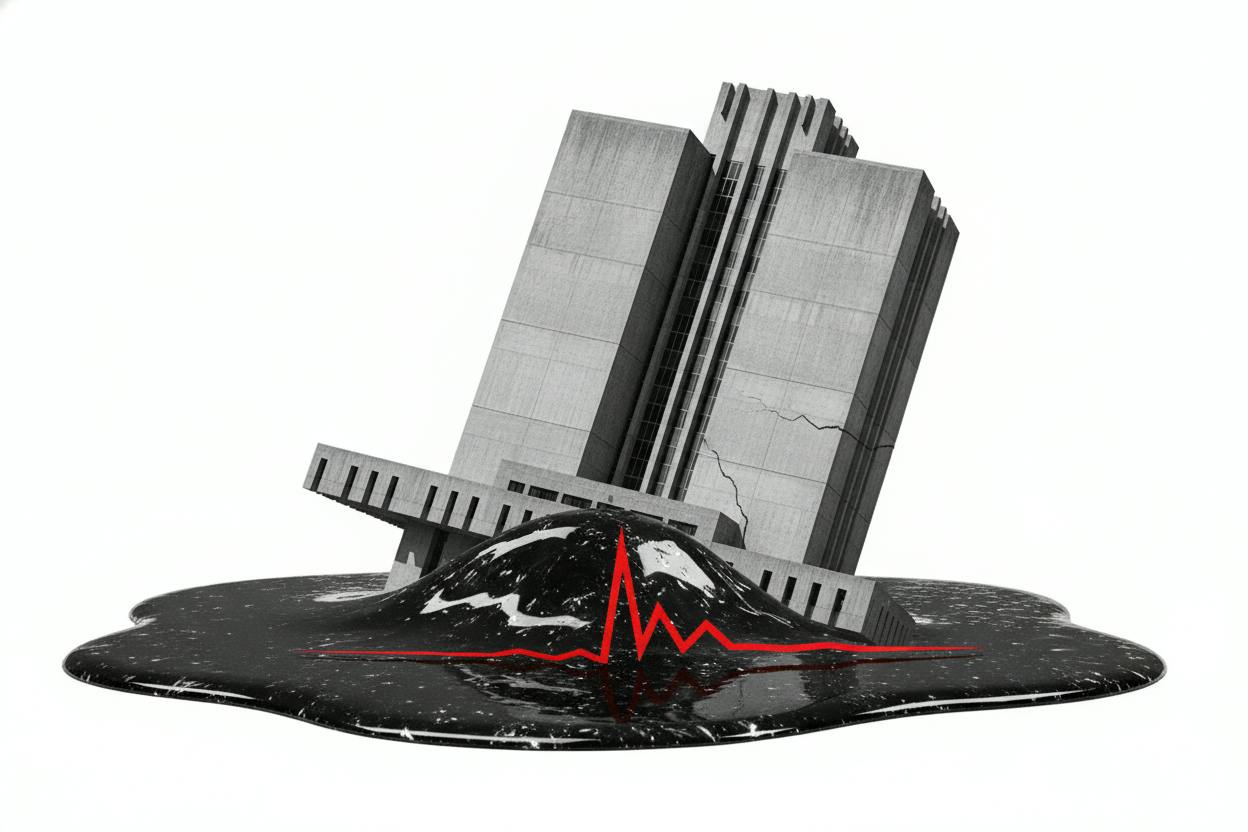
The Federal Reserve's meeting minutes released July 8th from the June 16-17 Federal Open Market Committee (FOMC) meeting show a central bank deeply divided over the path of interest rates. Some officials believe recent inflation easing is due to temporary factors that will fade, supporting a hold on rates and eventual cuts. Others worry price pressures are persistent, keeping the door open for another hike this year.
What the Minutes Reveal
The minutes describe "considerable divisions" among policymakers. One camp argues that stubborn inflation earlier this year was driven by one-off factors like seasonal adjustments and volatile energy prices. If those fade, keeping the current rate range—and eventually lowering it—becomes more defensible. The other camp sees underlying inflation as stickier, meaning policy might need to tighten further to bring it down to the Fed's 2% target.
This divide has spilled into public speeches. Minneapolis Fed President Neel Kashkari has said a rate hike may be needed later this year. Meanwhile, Chair Kevin Warsh has repeated that inflation is still too high but avoided clear forward guidance, emphasizing flexibility. Governor Christopher Waller has argued that careful messaging can sometimes do the work of a rate move, as long as the Fed can pivot quickly if data changes.
What It Means for Markets
When the Fed appears split, traders struggle to anchor on a single base case for short-term rates. That uncertainty typically hits the front end of the yield curve first—Treasury bills and 2-year notes—because those prices are most sensitive to what the Fed does next. A wider set of possible outcomes tends to push up "rate-path uncertainty," which often shows up as higher implied volatility in interest-rate options. That's the market's price of insurance against big moves.
This can also lift the extra yield investors demand for holding short-dated bonds. Either way, choppier pricing in instruments like SOFR futures can tighten financial conditions on its own, even if the Fed ultimately stands pat. For everyday investors, this means bond prices could swing more than usual, and the stock market may see increased volatility as rate expectations shift.
The broader backdrop includes mixed inflation signals globally. For instance, Mexico's inflation dropped to 3.37% in June, easing pressure on its central bank to cut rates. Meanwhile, Egypt's central bank held rates as its inflation signals diverged. These examples show that central banks worldwide are grappling with similar data-dependent dilemmas.
Why This Matters for Your Portfolio
The upshot is that "data dependent" doesn't always calm markets—it can widen the range of plausible outcomes from one meeting to the next, especially when officials disagree about what today's inflation trend is really saying. For investors, this means staying nimble. If you hold bonds, be prepared for price swings as rate expectations shift. If you own stocks, sectors sensitive to interest rates—like real estate or utilities—could see more volatility.
The Fed's split also affects the dollar. As Deutsche Bank warns, the dollar's fate is increasingly tied to tech stock swings, adding another layer of complexity. Meanwhile, stocks have held steady despite US-Iran tensions and the Fed split, but that calm may not last if rate uncertainty persists.
For now, the Fed's next move remains unclear. Investors should watch upcoming inflation data and Fed speeches for clues. The key takeaway: don't assume a single path for rates—the range of possibilities is wider than usual, and that uncertainty itself can move markets.