Canada's first-time home buyers are still sitting out of the housing market, and one independent research firm says the persistent weakness in demand could influence the Bank of Canada's next policy move. Rosenberg Research, an economics consultancy, points to a pipeline that has yet to refill, with more than half of non-homeowners surveyed saying they have no plans to purchase a home in the next 12 months.
The firm estimates that affordability is roughly 20% worse than its long-term average, with high down payments and monthly payments doing most of the damage. That gap is keeping many would-be buyers on the sidelines, even as some market watchers anticipate a shift in central bank policy.
Why Affordability Remains Stuck
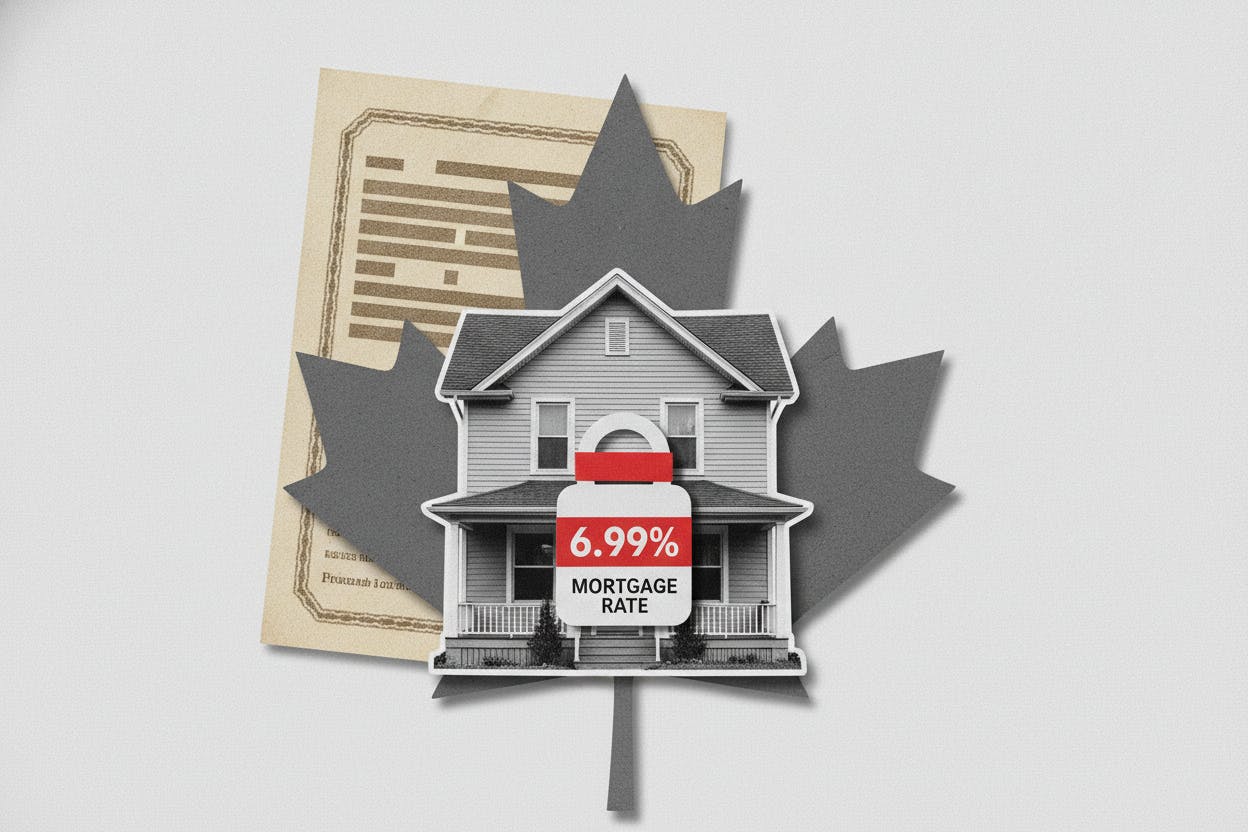
Rosenberg Research calculates that the average five-year fixed mortgage rate in Canada is around 5.13%. That rate is not directly tied to the Bank of Canada's overnight rate, which influences shorter-term borrowing costs. Instead, five-year fixed rates are largely priced off longer-term bond yields, particularly U.S. Treasury yields, plus a lender margin.
This means that even if the Bank of Canada cuts its policy rate—something the firm sees as increasingly likely given weak housing demand—the relief may not show up quickly in the fixed-rate mortgages that many first-time buyers rely on. As Rosenberg puts it, cheaper overnight money can arrive before cheaper five-year money, so housing demand and prices may stay soft longer than a simple 'pivot' headline suggests.
The broader backdrop includes a Canadian economy where the central bank has been grappling with inflation and trade risks. In its most recent decision, the Bank of Canada held its rate at 2.25%, as detailed in our coverage of that meeting. The ongoing affordability crunch adds to the case for a cut, but the transmission mechanism is not straightforward.
What It Means for Investors
For everyday investors, the key takeaway is that a 5.13% five-year mortgage rate can stay high even if the Bank of Canada cuts. That's because a lot of Canadian mortgages are priced off longer-term bond yields plus a lender margin, not just the central bank's overnight rate. When U.S. Treasury yields are elevated, as they have been recently, five-year fixed rates in Canada remain under upward pressure.
The practical result is that the first relief may show up in variable-rate payments before it shows up in the five-year fixed quotes many first-time buyers shop with. If those fixed quotes don't fall much, the roughly 20% affordability gap Rosenberg highlights doesn't close quickly, and demand can lag any initial rate cuts.
This dynamic has implications for sectors tied to housing, such as homebuilders, real estate investment trusts, and banks with large mortgage books. Investors should watch for signs of whether the Bank of Canada's next move—if it comes—actually translates into lower borrowing costs for new buyers, or whether global bond markets keep the squeeze on.
Meanwhile, Canada's aging population is adding another layer of fiscal pressure, with Old Age Security costs heading toward $100 billion, as noted in our report on that trend. That long-term spending challenge could also influence how aggressively the central bank can ease.
Looking Ahead
Rosenberg Research's analysis suggests that the housing market's recovery may be slower than some expect. Even if the Bank of Canada cuts rates, the affordability gap is unlikely to close quickly unless five-year fixed mortgage rates fall significantly. That would require a drop in global bond yields, which are influenced by factors beyond Canada's borders, including U.S. monetary policy and inflation expectations.
For now, first-time buyers remain cautious, and that caution is shaping the outlook for the broader economy. Investors should keep an eye on both central bank decisions and bond market movements to gauge when—or if—the pipeline of new buyers will start to refill.