Inflation in the euro zone's two largest economies after Germany picked up in August, driven largely by energy costs, and that is keeping a September interest rate hike from the European Central Bank firmly in play.
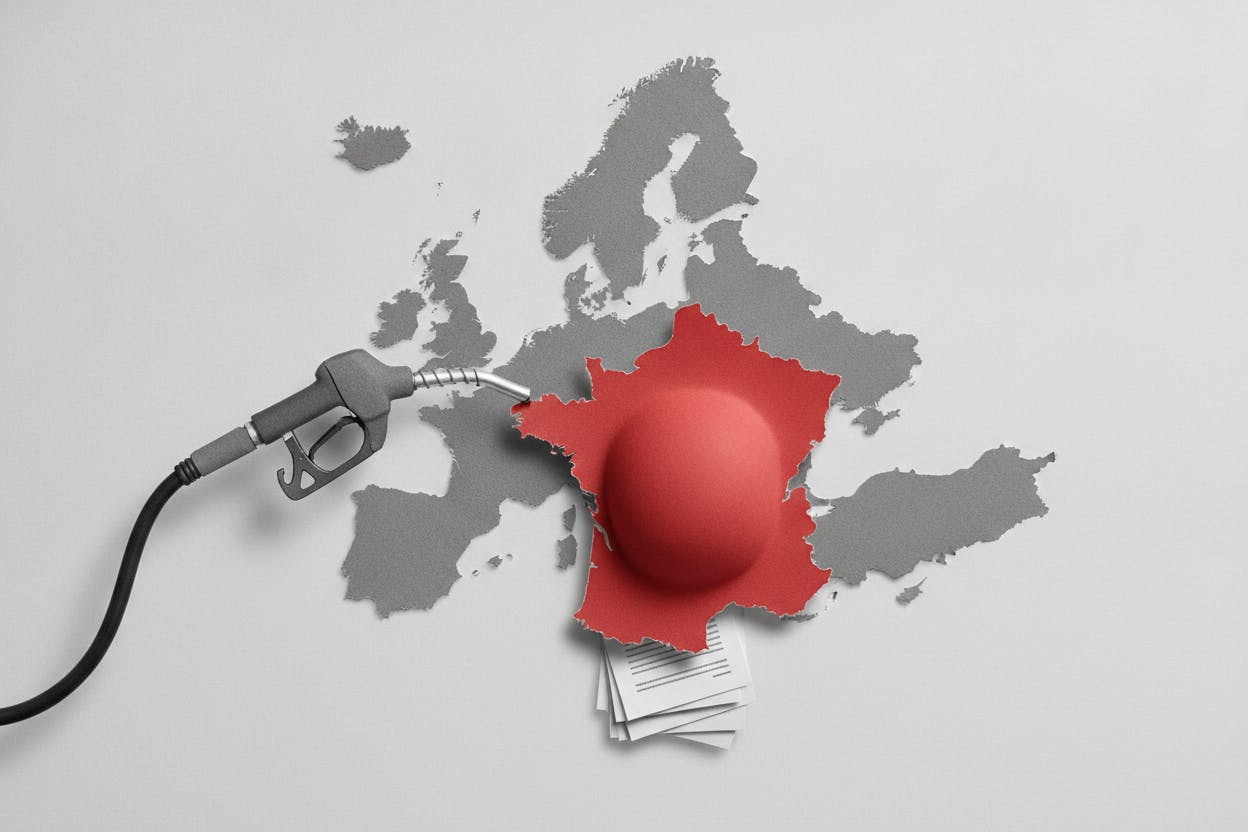
France's statistics agency, Insee, reported that consumer prices rose 2.4% in August from a year earlier, up from 2.1% in July. The acceleration was led by energy inflation, which jumped to 16.7% as petroleum products became more expensive. In Spain, the preliminary reading showed headline inflation climbing to 4.3% from 3.6% in July, slightly above what economists had forecast.
However, Spain's so-called core inflation — which strips out volatile energy and food prices to reveal the underlying trend — eased to 2.9%. That suggests the recent pickup in Spanish prices is largely a reflection of energy costs rather than a broad-based acceleration in demand.
Why energy is pushing prices up
The surge in energy inflation reflects higher global oil prices, which have been climbing in recent weeks. Crude oil has risen as major producers have extended output cuts and as demand has remained resilient. For everyday consumers, that means higher prices at the petrol pump and, eventually, higher costs for goods and services that depend on transportation.
Energy is a significant component of the inflation baskets in both France and Spain, so when oil prices move sharply, it shows up quickly in the headline numbers. This is a reminder that energy prices remain a key swing factor for euro-area inflation, even as other pressures, such as food and services, have shown signs of cooling.
What this means for the ECB
The European Central Bank has been wrestling with how to bring inflation back to its 2% target without choking off economic growth. After a series of rate increases over the past year, the central bank had signaled it might pause in September if inflation showed clear signs of easing. But the fresh data from France and Spain complicates that picture.
With headline inflation picking up in two of the euro zone's biggest economies, the case for another rate hike at the ECB's September meeting has strengthened. Investors will now be watching closely for the euro-area-wide inflation reading, due later this week, and for any signals from ECB policymakers about their intentions.
A rate hike would raise borrowing costs for households and businesses across the euro zone, potentially slowing economic activity. For investors, that means higher yields on government bonds and potentially more pressure on stocks, particularly in rate-sensitive sectors like real estate and utilities.
What it means for investors
For everyday investors, the key takeaway is that inflation is not yet fully tamed in Europe. Even as some measures of underlying price pressures ease, energy costs are keeping headline inflation elevated. That makes it more likely the ECB will keep interest rates higher for longer, which has implications for bond prices, currency markets, and stock valuations.
Higher interest rates tend to make bonds more attractive relative to stocks, and they can weigh on company earnings by raising borrowing costs. On the other hand, banks often benefit from higher rates because they can earn more on loans. Energy companies may also see a boost from higher oil prices, though that depends on their cost structures and hedging strategies.
Investors should also keep an eye on how these inflation trends affect other major economies. The euro zone is a major trading partner for many countries, and its monetary policy can influence global financial conditions. For example, hot inflation in Tokyo has already pushed Japanese bond yields to record levels, showing that price pressures are a global theme.
In the coming weeks, the focus will be on the ECB's decision and on whether other euro-area countries report similar inflation upticks. Germany's labor market has remained relatively resilient, which could give the ECB more confidence to raise rates. But if growth falters, the central bank may face a tougher trade-off.
The bottom line
France and Spain's August inflation data are a reminder that the fight against rising prices is not over. Energy costs are keeping pressure on, and that likely means the ECB will keep its foot on the brake for now. For investors, staying diversified and being prepared for continued volatility in rates and energy prices may be prudent.
As always, it's important to remember that inflation data can be revised, and the final numbers may differ from these preliminary readings. But the direction is clear: energy is keeping inflation alive, and the ECB is likely to respond.