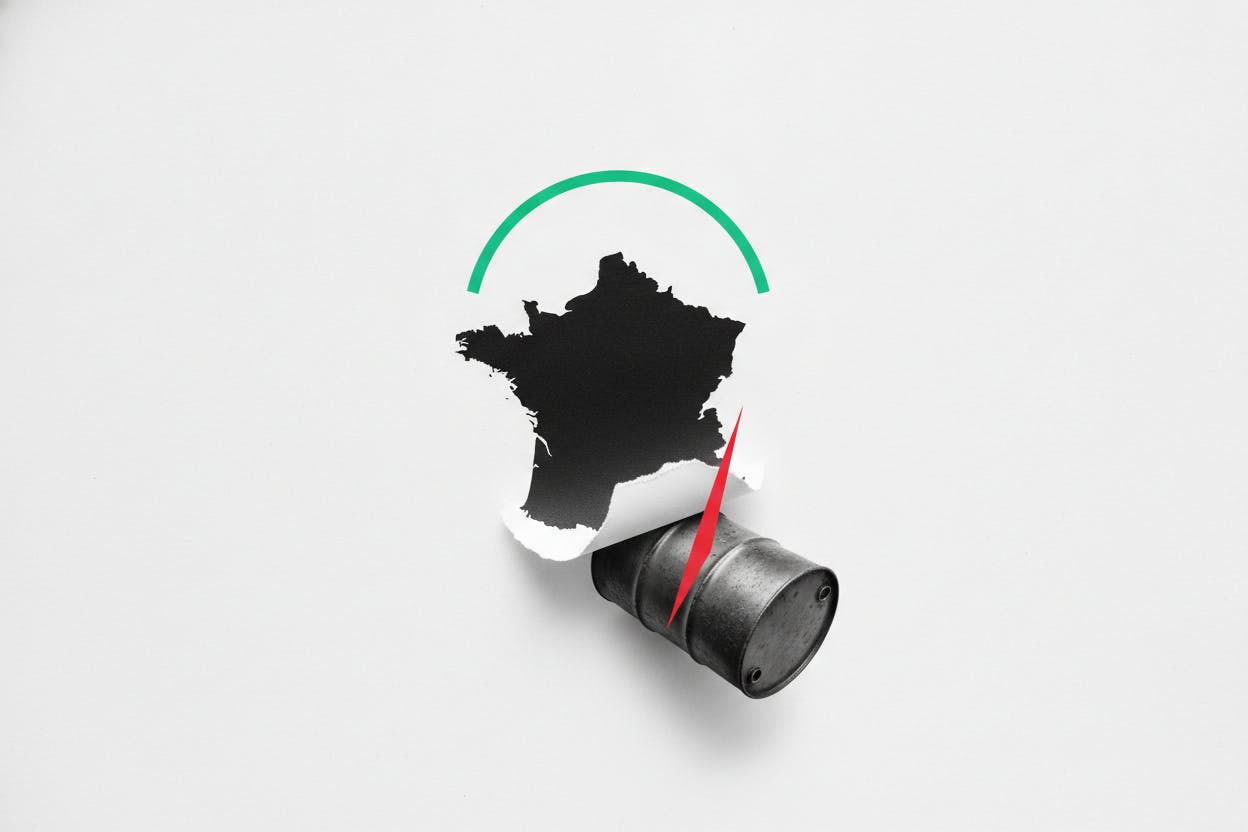
France's economy showed signs of stabilizing in July, as a closely watched business survey moved closer to expansion territory. The composite Purchasing Managers' Index (PMI) rose to 49.6 from 47.2 in June, according to S&P Global's flash reading. While still below the 50 mark that separates growth from contraction, the reading suggests the downturn is losing steam and came in well above the 47.8 forecast by economists polled by Reuters.
What the PMI Numbers Tell Us
PMIs are based on monthly surveys of purchasing managers at hundreds of companies. They track changes in output, new orders, employment, and prices. A reading above 50 indicates expansion; below 50 signals contraction. The composite index combines manufacturing and services, giving a broad view of private-sector activity.
France's composite PMI has now been below 50 for several months, but the July jump is the largest monthly gain in over a year. The services sector led the improvement, while manufacturing remained weak. The data suggests that the French economy may be bottoming out, though it has not yet returned to growth.
This improvement mirrors trends seen in other major economies. For instance, Australia's private sector growth hit a 2026 high in July, though confidence there remains subdued. Meanwhile, Japan's factory growth held strong in July, even as services slowed and Middle East risks loomed.
Energy Prices and Inflation Risks
Despite the encouraging PMI data, a cloud hangs over the outlook: rising energy costs. Oil and gas prices have climbed recently due to escalating tensions between the US and Iran. Any disruption to supply from the Middle East could push prices higher, feeding into inflation and potentially forcing central banks to keep interest rates elevated for longer.
Higher energy costs are a double-edged sword for the economy. They increase production costs for businesses, which can squeeze profit margins or be passed on to consumers. For households, higher fuel and heating bills reduce disposable income, dampening spending. The European Central Bank has been battling inflation for over a year, and a fresh spike in energy prices could delay any plans to cut interest rates.
This dynamic is playing out globally. Oil prices recently surged past $99, boosting energy stocks but raising concerns about the broader economy.
What It Means for Investors
For everyday investors, the French PMI data is a mixed signal. On the positive side, the improvement suggests the eurozone's second-largest economy may avoid a deep recession. That is good news for companies with exposure to French consumer spending, such as retailers and banks. For example, Carrefour recently reported Q2 sales that beat forecasts, with steady performance in France and a rebound in Brazil.
However, the energy price risk means inflation could stay sticky, keeping borrowing costs high. That is a headwind for growth stocks and companies with high debt levels. Investors should watch the upcoming eurozone inflation data and any ECB commentary for clues on the rate path.
The PMI data also highlights the divergence between sectors. Services are holding up better than manufacturing, which is still struggling with weak global demand. Investors may want to favor service-oriented companies over industrial ones in the near term.
Finally, the geopolitical backdrop remains uncertain. US-Iran tensions are unlikely to resolve quickly, meaning energy prices could remain volatile. That could benefit energy stocks but hurt sectors like airlines and transportation. USA Rare Earth's recent stake in France's Carester underscores how companies are trying to secure supply chains amid geopolitical risks.
Looking Ahead
The final July PMI readings, due later in the month, will confirm whether the improvement holds. Investors will also be watching the ECB's next meeting for any shift in tone on rates. For now, France's economy is showing signs of life, but the path to sustained growth remains narrow, with energy prices as a key risk factor.