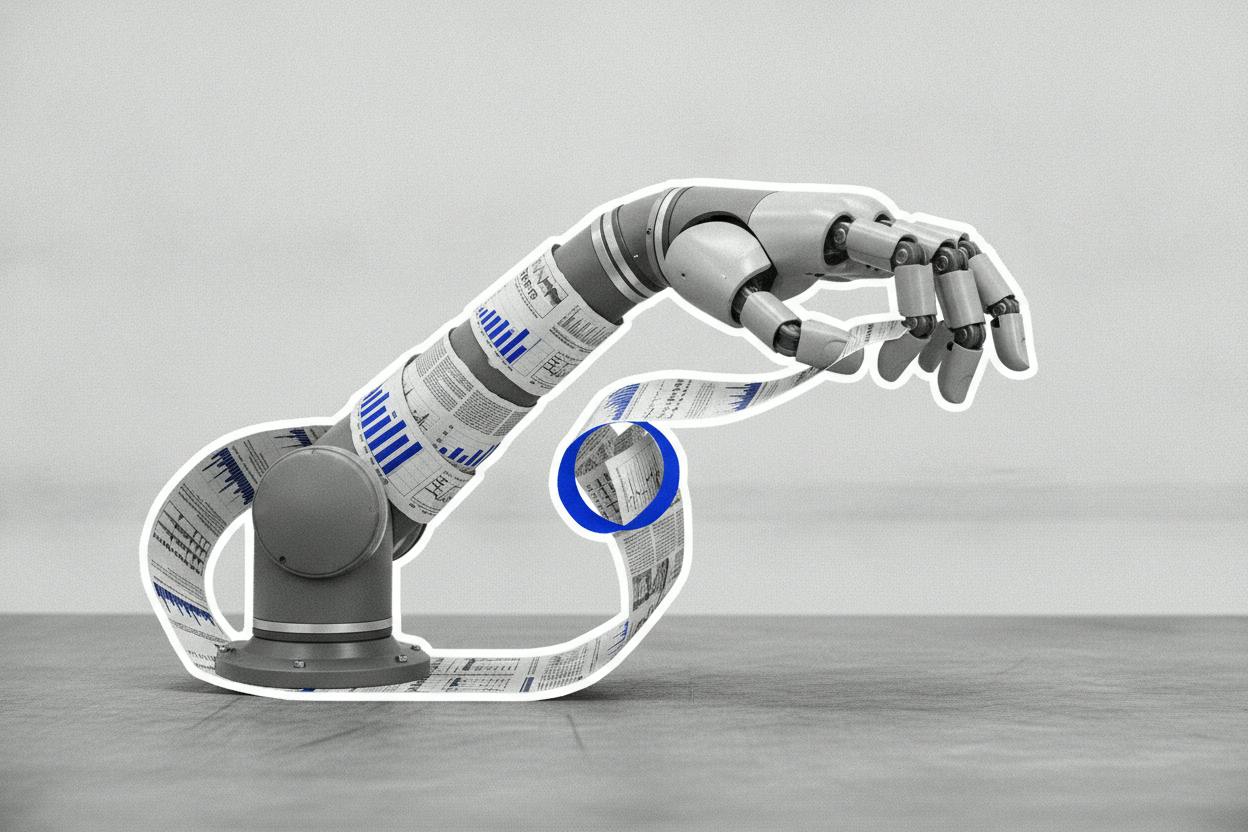
French robotics startup Genesis AI has raised $500 million in a funding round that values the company at $3.5 billion, as it gears up to mass-produce its AI-powered factory robot, Eno. The company says the new capital will go toward scaling production and improving the robot's dexterity, particularly its hands, ahead of a broader commercial rollout planned for 2027.
The round is one of the largest ever in European robotics, according to Reuters. Investors include venture firm Khosla Ventures, former Google CEO Eric Schmidt, French telecom entrepreneur Xavier Niel, chipmaker Nvidia, and Bpifrance, the French state-backed investment bank. The mix of strategic and financial backers underscores how much interest there is in applying artificial intelligence to physical labor.
What is Eno and why does it matter?
Eno is a humanoid-style robot designed for factory work. Unlike traditional industrial robots that are bolted down and programmed to repeat one task, Eno is meant to move around and handle a variety of jobs, using AI to adapt to new situations. The company's CEO, Zhou Xian, says the funding will be used to build more robots and to improve the data collection and AI training that make Eno useful in real-world settings.
The focus on dexterity—especially the hands—is key. Many tasks in factories, such as picking up irregular objects or using tools, require fine motor skills that are still difficult for robots. If Eno can master these tasks, it could take over a wider range of jobs, from assembly to packaging, potentially changing how factories are staffed.
Genesis is part of a broader wave of investment in humanoid robots. Companies like Tesla and Boston Dynamics are also working on similar machines, and the race to make them commercially viable is heating up. The Tesla's Berlin expansion is one example of how major players are betting big on automation.
Why this funding round stands out
The size of the round and the caliber of investors signal that institutional money sees a real market ahead. Nvidia's involvement is notable because its chips are widely used in AI training, and the company has been pushing into robotics as a growth area. Bpifrance's participation reflects French government interest in building a domestic robotics industry.
For everyday investors, this is a reminder that AI is moving beyond software and into the physical world. While most people think of AI in terms of chatbots or image generators, the same technology is being applied to robots that can work in warehouses and factories. This could have big implications for labor markets and productivity, though it's still early days.
The funding also comes at a time when Eurozone factory output is struggling, with September output up just 0.2% from the previous month and down 1.5% year on year. Automating factories could help manufacturers cut costs and improve efficiency, but it also raises questions about job displacement.
What it means for investors
For most retail investors, this news is not a direct buying opportunity—Genesis AI is a private company, so you can't buy its stock on a public exchange. But the story is still relevant because it highlights a trend that could affect publicly traded companies.
Companies that supply components to robot makers, such as sensor manufacturers or AI chip designers, could see increased demand. Nvidia, for example, is already a major player in AI hardware, and its investment in Genesis is a bet that robotics will be a big future market. Similarly, companies that use robots in their own operations, like automakers or logistics firms, might see productivity gains down the line.
However, it's important to keep expectations in check. Humanoid robots are still in the early stages, and mass adoption is likely years away. The 2027 rollout target is ambitious, and there are many technical and regulatory hurdles to overcome. As with any emerging technology, there's a risk that the hype outpaces reality.
For now, the biggest takeaway is that AI-driven automation is attracting serious capital. Whether it's data centers powering AI or robots doing physical work, the trend is clear. Investors should watch how these technologies develop, but they shouldn't expect overnight transformations.
Genesis AI's funding round is a sign that the future of factory work is being built today. Whether it will deliver on its promise remains to be seen, but the money is flowing, and the race is on.