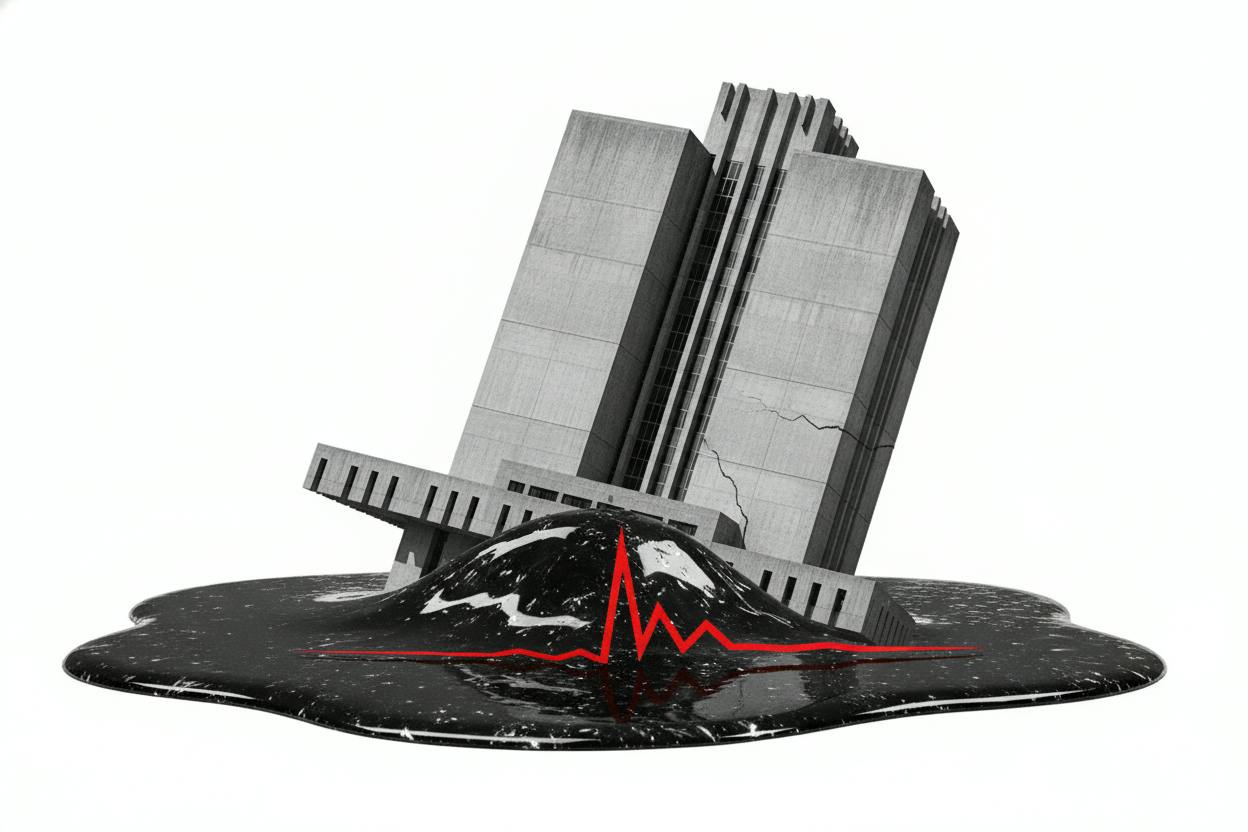
Germany's industrial engine sputtered again in July. Output at Europe's largest economy fell 1.1% from the previous month, the steepest decline in nearly a year, according to official data. Economists had forecast a modest 0.2% gain, so the drop was a clear miss.
The immediate culprit: car production slumped 9.2% as automakers paused assembly lines for weeks to retool factories for electric vehicle production. That's a significant hit because autos are Germany's second-biggest industry, a cornerstone of its export-driven economy.
More than just a bad month
July's decline isn't an isolated blip. June's initial gain was revised down to zero, meaning the industrial sector has been treading water for months. Officials also pointed to rising energy costs linked to the Iran conflict, which have squeezed manufacturers already dealing with high input prices.
The data adds to a picture of an economy struggling to regain momentum. Germany has faced a series of headwinds: elevated energy prices, weak global demand for its goods, and a slow transition to electric vehicles that has disrupted its traditional automotive strength. The country's services sector has also shown signs of strain, with a recent PMI reading staying in contraction territory.
Not all gloom: factory orders rise
There is a bright spot. Factory orders rose for a third consecutive month in July, suggesting that demand for German goods may be stabilizing. That could translate into stronger production in the months ahead, as orders typically lead output by several weeks.
However, the quality of that order growth matters. Recent data showed that while headline orders rose 2.5% in July, core demand—excluding large, volatile contracts—was softer. That suggests the recovery may be uneven.
What it means for investors
For everyday investors, this is a reminder that Germany's economic health has ripple effects far beyond its borders. The country is a major trading partner for the rest of Europe and a key supplier of machinery, chemicals, and vehicles worldwide. When German industry stumbles, it can weigh on European corporate earnings and global supply chains.
Investors with exposure to European stocks, particularly in the industrial or automotive sectors, should watch how long the retooling disruption lasts. The shift to EVs is a structural change that will eventually modernize Germany's car industry, but the transition is proving costly and disruptive in the short term.
Energy costs remain another wildcard. If the Iran conflict escalates and pushes oil and gas prices higher, German manufacturers—already among the most energy-intensive in Europe—will feel the pinch. That could keep inflation elevated and complicate the European Central Bank's efforts to manage interest rates.
On the positive side, the rise in factory orders offers a glimmer of hope. If that trend continues, it could signal that the worst of the industrial slump is over. Some forecasters have even lifted their growth projections for Germany, citing potential spending boosts, though others see growth fading by the end of the decade.
The bottom line
Germany's industrial output is down, and the automotive sector is the main drag. The retooling for EVs is a necessary but painful process, and energy costs are adding to the strain. While factory orders are improving, the overall picture remains one of an economy in a slow, grinding adjustment.
For investors, the key takeaway is to expect continued volatility in German industrial data and to keep an eye on how the auto sector's transition progresses. The country's economic health is a bellwether for Europe, and its struggles are a reminder that even the strongest industrial powers face periods of transition.