German stocks closed higher on Tuesday, with the benchmark DAX index finishing up 1.12%, as investors welcomed a fresh reading on inflation and a blockbuster earnings report from industrial heavyweight Siemens Energy.
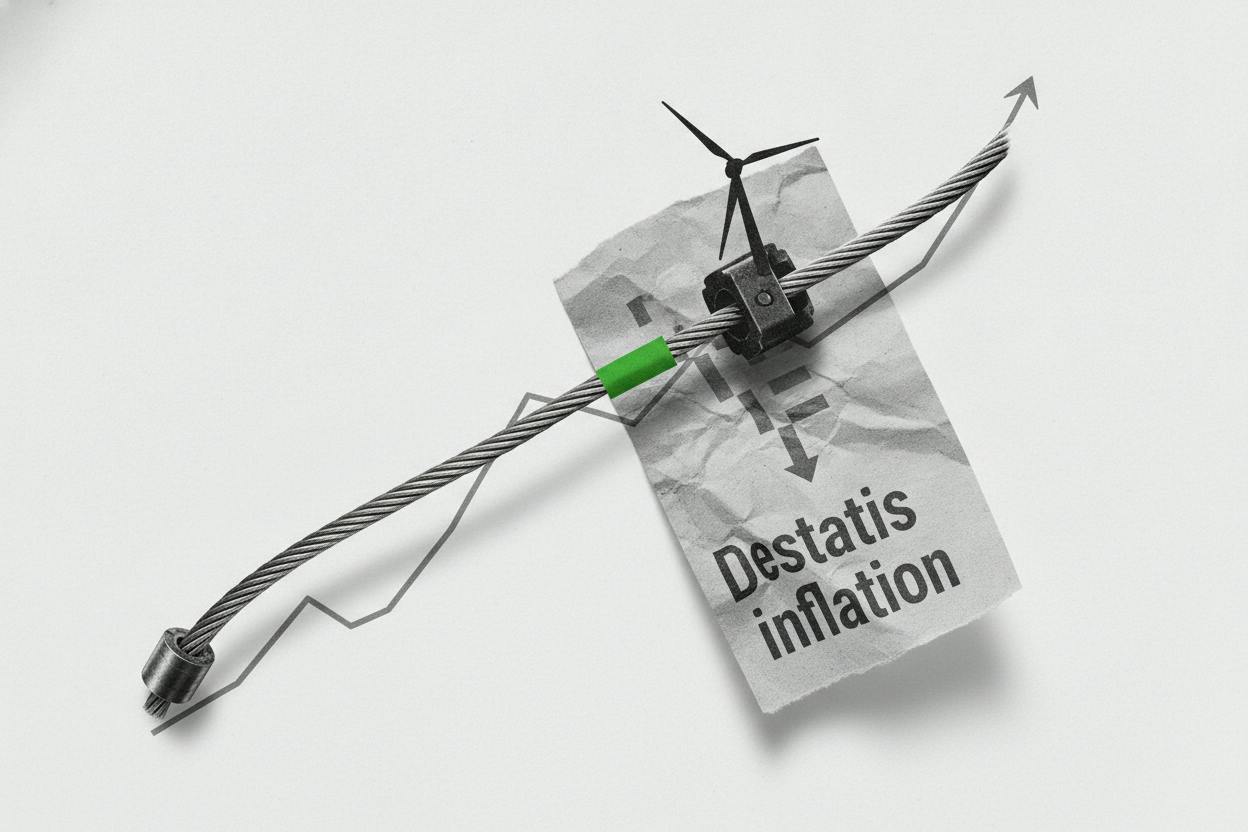
The rally came after Germany's statistics office, Destatis, reported that October inflation eased to 2.8% year-on-year, down from 3.3% in September. Core inflation, which strips out volatile food and energy prices, also cooled to 2.1% from 2.4% the previous month. The slowdown suggests that price pressures in Europe's largest economy are gradually fading, even though energy costs remain a stubborn factor keeping overall inflation above the European Central Bank's 2% target.
Why the inflation data matters
Inflation is a key driver of central bank policy. When price growth slows, it gives policymakers more room to cut interest rates, which can stimulate borrowing and spending. For everyday investors, lower rates often translate into higher stock valuations, as future corporate earnings become more attractive relative to bonds and savings accounts.
The ECB has been navigating a tricky path: it wants to bring inflation down without tipping the economy into recession. Recent data showing cooling inflation in Germany, the eurozone's largest economy, strengthens the case for further rate cuts in the coming months. However, Destatis noted that energy prices are still keeping overall inflation sticky, meaning the ECB may proceed cautiously rather than aggressively.
This dynamic is not unique to Europe. In the United States, recent hot inflation data has revived bets on Federal Reserve rate hikes, pushing the dollar higher and pressuring gold. The contrast highlights how inflation surprises can move markets in different directions depending on the region.
Siemens Energy delivers record results
The DAX's gains were led by Siemens Energy, which jumped 10.50% after the company reported record fiscal 2026 results. The Munich-based firm, which makes equipment for power generation and transmission, has been a key player in the global energy transition, supplying turbines and grid technology.
Investors cheered not just the strong numbers but also the company's forward-looking targets, which suggest sustained demand for its products. Siemens Energy's performance is often seen as a bellwether for the broader industrial and energy sectors, so its upbeat outlook can lift sentiment across the market.
The surge in Siemens Energy also helped energy-related exchange-traded funds, echoing a trend seen in other markets where oil and gas gains have lifted energy ETFs. However, not all energy stocks have fared as well, as some companies face headwinds from fluctuating commodity prices and operational challenges.
What it means for investors
For everyday investors, the combination of cooling inflation and strong corporate earnings is generally a positive sign. Lower inflation reduces the pressure on household budgets and gives the ECB room to support economic growth. Meanwhile, companies like Siemens Energy that deliver record results can boost confidence in the broader market.
But it's important to keep perspective. One day's move in the DAX does not signal a long-term trend. Inflation remains above target, and energy prices could flare up again, especially given geopolitical tensions and supply disruptions. Investors should watch upcoming ECB meetings and further inflation data to gauge whether the easing trend continues.
Also, while the DAX's rise is encouraging, it's part of a larger global picture. Markets around the world are reacting to inflation and central bank policies. For instance, Saudi stocks rose as hotter US inflation revived Fed hike bets, showing how interconnected global markets are. Similarly, the pound slipped as the dollar strengthened on US inflation news.
For those with diversified portfolios, these cross-currents underscore the importance of not overreacting to any single day's headlines. Instead, focus on long-term fundamentals and maintain a balanced approach.
Looking ahead
Investors will be watching several key indicators in the coming weeks. The ECB's next policy meeting will be closely scrutinized for any hints about rate cuts. Additionally, more corporate earnings reports from major German companies will provide insight into the health of the economy.
For now, the DAX's rise reflects a market that is cautiously optimistic. Inflation is cooling, but not gone. Corporate earnings are strong, but not universal. The path forward will depend on how these forces evolve.
As always, it's wise to remember that markets can be volatile, and past performance is not a guarantee of future results. Stay informed, stay diversified, and consider consulting a financial advisor for personalized guidance.