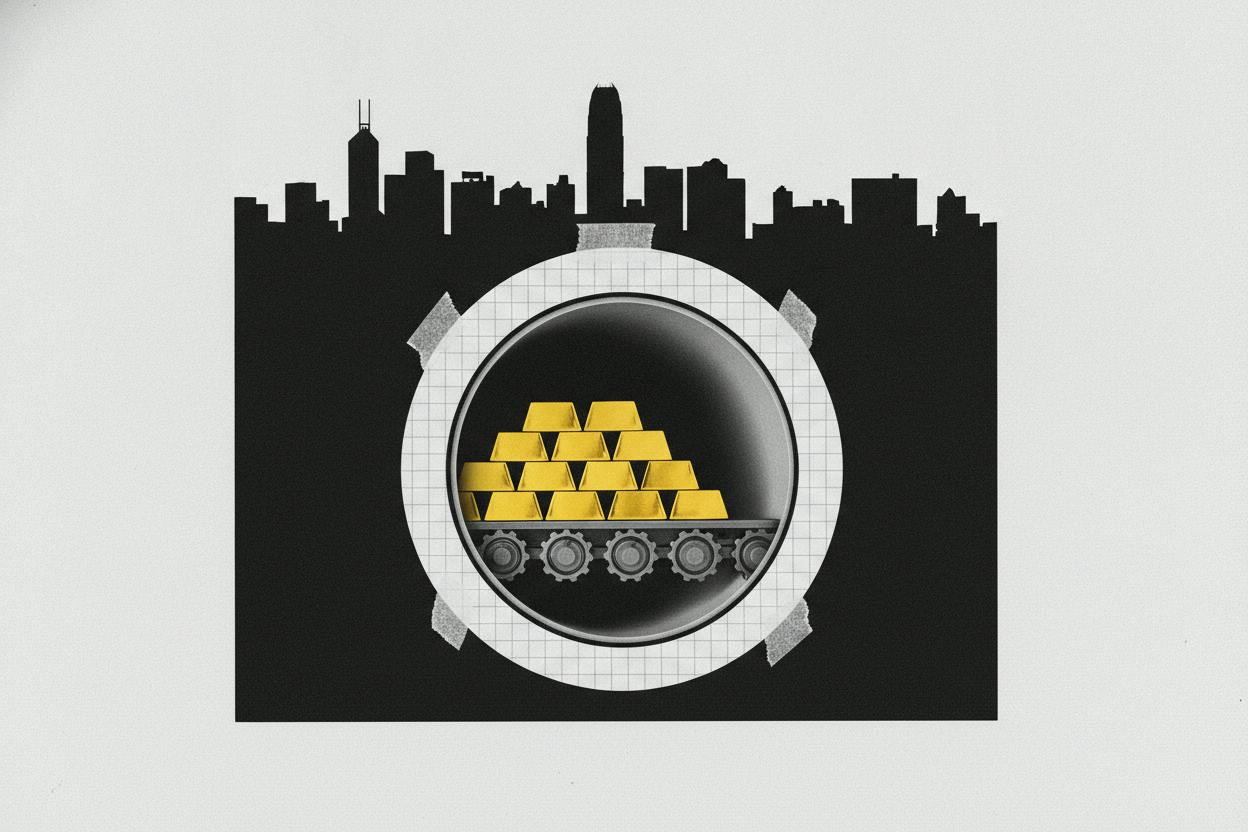
Hong Kong is taking a concrete step toward becoming a major physical gold hub. Swiss precious-metals refiner Valcambi and Shiu Wing Steel, the city's only steel mill, have signed a letter of intent to develop a gold refining and vaulting joint venture in Tuen Mun. The move aligns with Hong Kong's ambition to have more than 2,000 metric tons of gold storage capacity within two years.
What the venture involves
The proposed facility would use Shiu Wing Steel's existing industrial site in Tuen Mun, a district in Hong Kong's New Territories. Valcambi, one of the world's largest gold refiners, would bring its expertise in refining and vaulting. Shiu Wing Steel, known for producing steel rebar for construction, would contribute its land and local operational knowledge.
For Valcambi, this is a chance to expand its footprint in Asia-Pacific, a region that accounts for a growing share of global gold demand. For Shiu Wing, the venture offers a way to diversify beyond a steel business that has faced headwinds from weak construction demand and competition from cheaper imports. The steel industry has been under pressure, with iron ore prices hitting 15-month lows as Chinese steel profits evaporate, a trend that has squeezed mills across the region.
Why Hong Kong wants a physical gold hub
Hong Kong has long been a major gold trading center, but much of that activity is financial—gold futures, ETFs, and over-the-counter trading. Physical infrastructure, such as refineries and secure vaults, is the behind-the-scenes machinery that makes those markets work. Without reliable local refining and storage, gold that is traded in Hong Kong often has to be shipped elsewhere for processing or safekeeping.
By building this infrastructure, Hong Kong aims to capture more of the value chain. The city already has a natural advantage: it is a gateway to mainland China, one of the world's largest gold consumers. A local vaulting capacity of 2,000 metric tons would be significant—roughly equivalent to a year's worth of global mine production for a mid-sized gold producer. It would also position Hong Kong as a serious rival to established hubs like London, Zurich, and Singapore.
What it means for investors
For everyday investors, this is not a signal to rush out and buy gold. But it is a reminder that gold's value depends on more than just price charts. The physical market—refining, storage, and logistics—is what gives gold its role as a store of value and a safe haven.
The venture could also have implications for the companies involved. Shiu Wing Steel is privately held, so there is no direct stock to trade. Valcambi is a subsidiary of MKS PAMP Group, which is not publicly listed either. So the direct investment angle is limited. However, the broader trend is worth watching: as more regions build out gold infrastructure, it could affect how gold is priced and traded globally.
For those who hold gold through ETFs or physical bullion, the development is a positive sign for the market's long-term health. More vaulting capacity in Asia could reduce bottlenecks and make it easier for investors in the region to buy and sell physical gold. It also underscores the growing shift of gold demand from West to East, a trend that has been building for years.
Challenges ahead
Building a refinery and vault is not a quick process. The letter of intent is just the first step; the companies will need to conduct feasibility studies, secure regulatory approvals, and finalize the joint venture agreement. The two-year timeline for 2,000 metric tons of storage capacity is ambitious, especially given the complexities of constructing high-security vaults and meeting international refining standards.
There is also the question of competition. Singapore has been aggressively courting the precious metals industry, and Dubai has emerged as a major gold hub. Hong Kong will need to offer more than just location—it will need a business-friendly environment, robust legal protections, and efficient logistics to attract global players.
Still, the involvement of Valcambi, a name synonymous with quality in the gold industry, lends credibility to the project. And Shiu Wing's existing industrial site could speed up development, as it already has the land and infrastructure in place.
The bigger picture
This move is part of a broader effort by Hong Kong to strengthen its position as a global financial center, even as it faces political and economic challenges. Gold is a natural fit: it is a commodity that never goes out of style, and Asia's appetite for it shows no signs of slowing.
For investors, the takeaway is simple. Gold is not just a digital number on a screen; it is a physical asset that requires real-world infrastructure. Hong Kong's push to build that infrastructure is a bet on the metal's enduring appeal—and a sign that the gold market is evolving to meet the demands of a changing world.