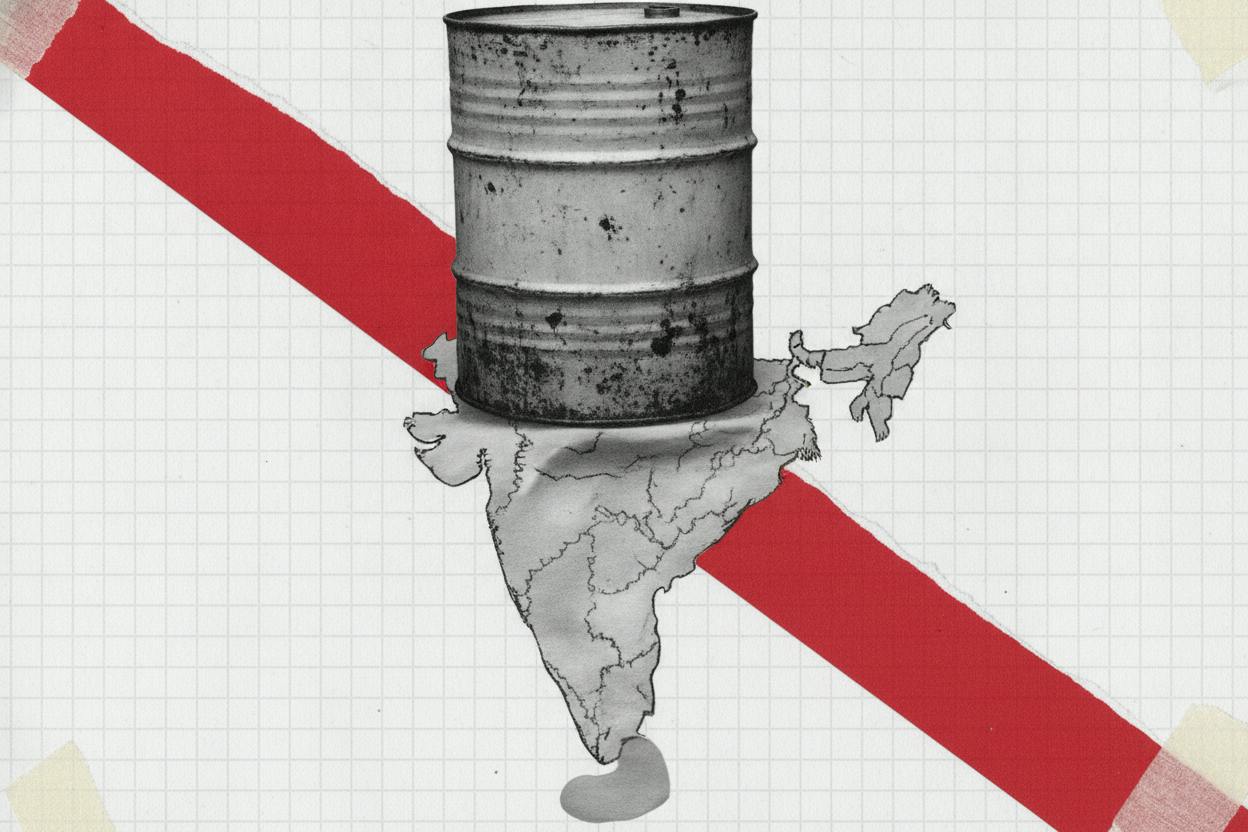
Indian stocks took a sharp hit on [day] as the Reserve Bank of India (RBI) delivered its first interest rate hike since February 2023, just as oil prices and global bond yields were climbing. The BSE Sensex fell 1.44% and the NSE Nifty 50 dropped 1.64%, reflecting a broad selloff driven by renewed inflation worries.
The rate hike itself was widely expected, but the timing—coming alongside a rise in crude oil prices and a US-led bond selloff—created a perfect storm for Indian equities. As a major energy importer, India is especially vulnerable to higher oil prices, which can push up inflation and widen the trade deficit. Meanwhile, rising global yields, particularly in the US, tend to pull capital away from emerging markets like India.
Why the RBI hiked rates
The RBI's decision to raise its benchmark rate marks a shift from its previous stance, which had held rates steady since early 2023. The central bank is clearly focused on containing inflation, which has been pressured by food prices and now by higher energy costs. A rate hike is a classic tool to cool an overheating economy, but it also makes borrowing more expensive for businesses and consumers.
For everyday investors, this means higher interest rates on loans, from home mortgages to business credit. It also means that fixed-income investments like bonds become more attractive relative to stocks, because they offer higher yields without the same level of risk.
Oil and bond yields add to the pressure
Oil prices have been climbing, and for India, which imports most of its crude, that's a double-edged sword. Higher oil costs feed directly into inflation—through fuel prices and transportation costs—and can also weaken the rupee, making imports even more expensive. The rupee was holding near 96.78 per US dollar, a level that adds to import costs and could prompt further central bank action.
At the same time, global bond yields have been rising, driven by a selloff in US Treasuries. This has a knock-on effect on India's own bond market. India's 10-year government bond yield rose to 7.2868%, a level that can reset the price tag for risk across the entire financial system. When government yields rise, banks and companies often end up paying more to borrow too, which can cool spending and investment.
The five-year overnight index swap (OIS) rate also climbed to 6.77%. OIS rates are essentially the market's best guess of where short-term interest rates are headed. A rising OIS rate signals that investors expect the RBI to keep rates higher for longer, not just a one-off hike. That expectation can weigh on stock valuations, as higher discount rates reduce the present value of future corporate profits.
What it means for investors
For stock investors, the combination of higher rates and rising bond yields is a direct challenge. When the 'risk-free' rate goes up, investors typically demand a higher return from stocks, which can compress price-to-earnings multiples even if earnings forecasts stay the same. That's a key reason why broad indexes like the Sensex and Nifty can fall sharply even when the rupee is relatively stable.
This isn't just an Indian story. Emerging markets across the globe are feeling similar pressure, as higher oil prices and rising US yields prompt investors to pull back from riskier assets. Malaysia's KLCI slipped and Hong Kong stocks also fell on similar concerns.
For Indian investors, the key takeaway is that the era of cheap money is firmly over. The RBI's move, combined with global pressures, means borrowing costs are likely to stay elevated. That could slow economic growth in the near term, but it's also a sign that the central bank is serious about keeping inflation in check—something that matters for long-term financial stability.
Investors should watch how the RBI communicates in the coming weeks, and whether oil prices continue to climb. If inflation stays sticky, further rate hikes could be on the table, which would keep pressure on stocks and bond prices. On the other hand, if oil prices ease and global yields stabilize, Indian markets could find some relief.
As always, it's important to remember that market moves like this are normal. The best approach for most investors is to stay diversified and focus on long-term goals, rather than reacting to short-term volatility.