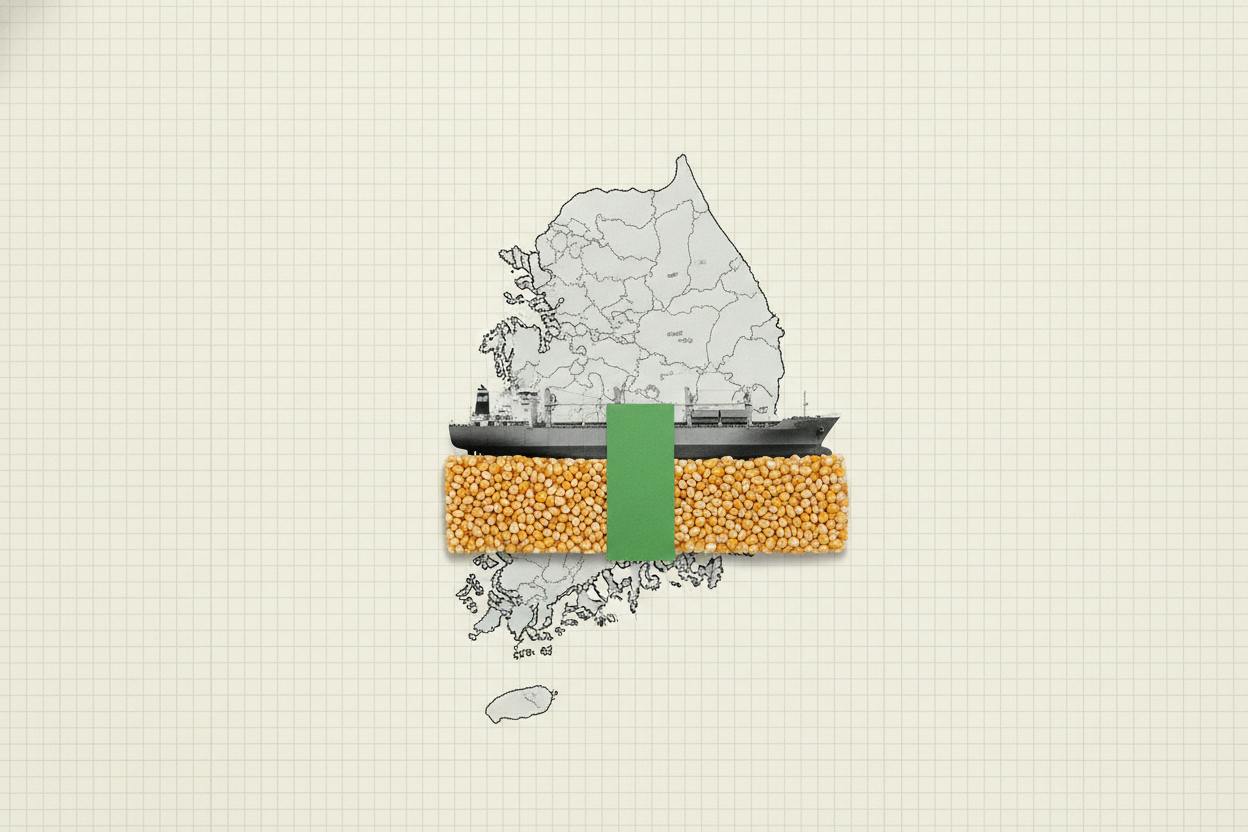
South Korea's Major Feedmill Group (MFG) has locked in about 135,000 metric tons of animal-feed corn for delivery in January and February 2027, according to traders familiar with the deal. The purchase, made through a tender, was priced at roughly $283.60 to $283.66 per ton on a cost-and-freight (c&f) basis, plus port surcharges.
The tender originally sought up to 140,000 tons, split into two cargoes. The final tonnage can vary depending on the origin of the corn, a common feature in such deals. One shipment of up to 67,000 tons was reportedly priced at $283.60 per ton c&f, with a $1.20-per-ton unloading surcharge. CJ International, a commodities trading firm, is viewed as the seller, with arrival expected around January 28. Details of the second cargo were not fully disclosed.
Why this purchase matters
South Korea is one of the world's largest importers of animal-feed corn, and its buying patterns are closely watched by grain traders. The country's feedmillers typically purchase corn through tenders, often seeking multiple cargoes to cover several months of demand. This latest deal extends well into 2027, indicating that South Korean livestock producers are planning for steady feed needs.
The price of around $283 per ton is within the range seen in recent tenders. Corn prices have been supported by concerns over U.S. crop conditions and weather, which have firmed global grain markets. However, buyers like MFG are also mindful of supply availability and shipping costs, which can fluctuate.
This purchase is not an isolated event. South Korea's other major buying groups, such as the Korea Feed Association (KFA) and the Korea Feed Ingredients Association (NOFI), have also been active in the corn market. For instance, KFA recently bought a corn cargo ahead of a key U.S. Department of Agriculture report, and NOFI purchased 134,000 tons in a separate tender that fell short of its target. These moves highlight the ongoing demand from South Korea's feed sector.
What it means for investors
For everyday investors, this news is a reminder that global grain markets are driven by real, physical demand. When a major importer like South Korea locks in corn for delivery years ahead, it signals confidence in future feed needs, which can influence corn prices and, in turn, the cost of meat and dairy products.
Corn is a key input for livestock feed, and its price affects the profitability of meat producers. If corn prices rise, farmers may face higher costs, which could eventually be passed on to consumers. Conversely, stable or falling corn prices can help keep food inflation in check.
Investors with exposure to agricultural commodities, either through futures or exchange-traded funds, may watch these tenders for clues about supply and demand. However, it's important to note that a single tender is just one data point. The broader picture includes U.S. crop yields, weather patterns, and global trade flows.
Looking ahead, traders will be watching the USDA's upcoming reports for updated corn supply and demand estimates. This MFG purchase comes ahead of such a report, and the data could move prices. Additionally, NOFI is seeking 207,000 tons of corn in another tender, indicating that South Korean buyers remain active.
For those invested in agricultural companies or grain shippers, these deals can provide a steady stream of business. But for most investors, the takeaway is simpler: global food supply chains are complex, and events like this are part of the normal rhythm of commodity markets.
As always, it's wise to keep an eye on how these developments affect your grocery bill and, if you invest, the broader market. But there's no need to react to every tender. Instead, focus on long-term trends in agriculture and food prices.