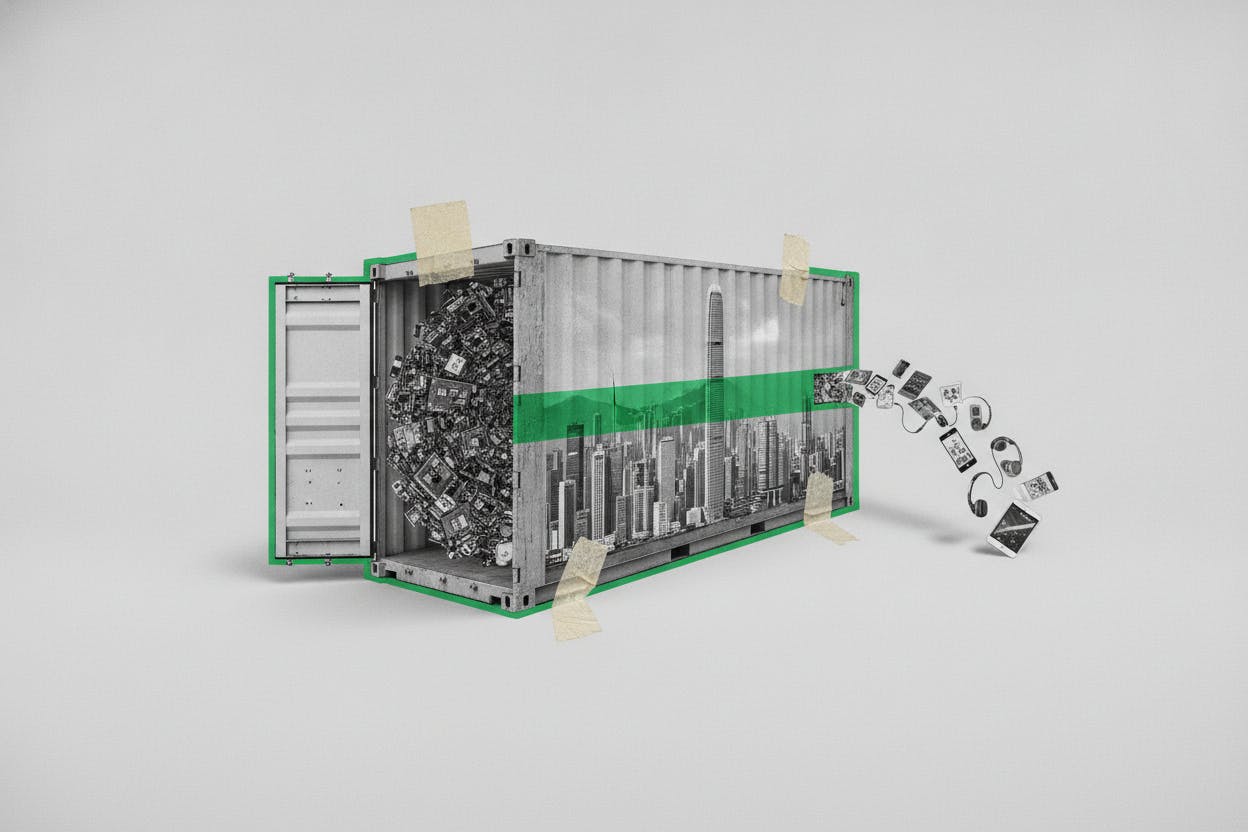
Hong Kong's trade deficit expanded in May to HK$44.2 billion, according to data from the Census and Statistics Department, as a surge in imports of AI-related components outpaced already-strong export growth. The 6.7% month-on-month increase in the deficit highlights the city's unique position as a global trading hub, where booming demand for finished goods often requires an even larger inflow of parts and equipment.
Exports rose 40.8% year-on-year to HK$611.2 billion, while imports climbed 42% to HK$655.4 billion. The strength was concentrated in electronics: exports of electrical machinery, apparatus, and parts jumped 56.1%, driven by solid global demand for AI-linked products. This pattern reflects Hong Kong's role in import-heavy supply chains, where a strong export cycle typically begins with a bigger wave of inbound components.
What's Driving the Numbers?
The trade data underscores the ongoing global appetite for artificial intelligence technology, which is boosting demand for semiconductors, memory chips, and other electronic components. This trend has been visible across the region, with companies like Micron recently signaling strong AI demand in a US$22 billion investment plan that lifted shares of Samsung, SK Hynix, and ASML. Hong Kong, as a major transshipment hub, is a key conduit for these goods moving between mainland China and the rest of the world.
The faster growth in imports relative to exports is typical for Hong Kong, which often imports raw materials and components for processing or re-export. However, the scale of the gap—HK$44.2 billion—is notable. Economists track this closely because net exports (exports minus imports) are a direct component of gross domestic product (GDP). When imports rise faster than exports, the net figure shrinks, potentially dampening headline GDP growth even as overall trade volumes remain robust.
What It Means for Investors
For investors monitoring Hong Kong's economic pulse, the data presents a nuanced picture. On one hand, the strong export growth confirms that AI-driven demand is real and sustaining activity in the city's ports and logistics sector. On the other hand, the widening deficit could lead to softer GDP nowcasts, as the net export contribution turns less positive.
This dynamic is not necessarily negative. A larger trade deficit in a hub economy like Hong Kong often signals that businesses are investing in capacity—importing machinery and components to meet future orders. The key question is whether the import surge is temporary or reflects a structural shift. If AI demand continues to grow, the pattern of imports outpacing exports may persist, keeping the deficit elevated but supporting long-term trade volumes.
Investors should also consider the broader context. The US dollar has been edging higher as markets await Federal Reserve signals, which could affect Hong Kong's currency peg and trade competitiveness. Meanwhile, rising memory chip costs—partly driven by AI demand—have led companies like Apple to hike iPad and Mac prices, a trend that may feed into import values.
Looking Ahead
The May data reinforces Hong Kong's reliance on the AI trade cycle. Any slowdown in global tech spending could quickly reverse the export gains, while a sustained boom would keep the deficit wide but the economy humming. For now, the numbers suggest that Hong Kong's trade engine is running hot, even if the net contribution to GDP looks less impressive on paper.
Investors should watch upcoming trade data for signs of whether the import surge is broadening beyond electronics, and keep an eye on global AI-related announcements that could drive the next leg of demand. The interplay between trade volumes and GDP will remain a key theme for Hong Kong markets in the months ahead.