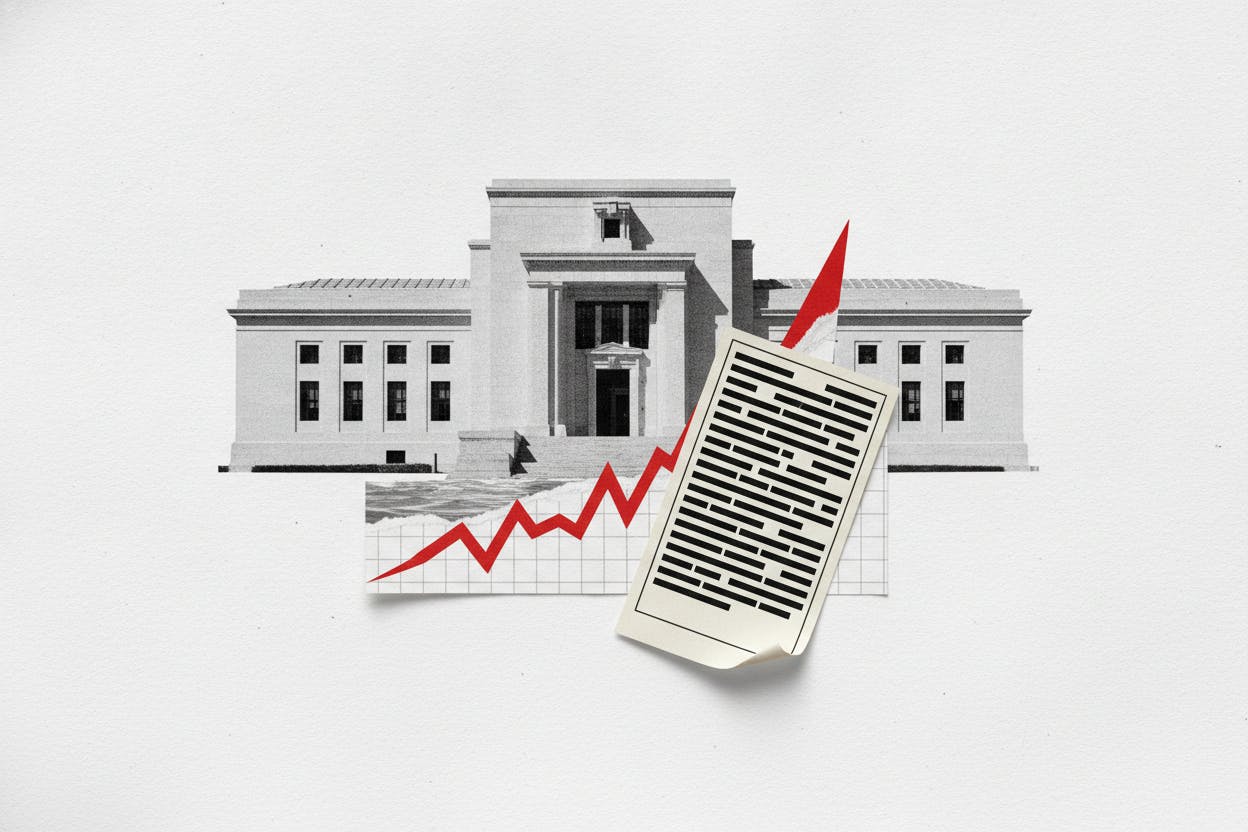
July's US inflation data came in hotter than many economists had hoped, and traders quickly responded by putting a Federal Reserve interest rate hike back on the table for September. According to Reuters, futures markets now price a 44% chance that the central bank raises rates at its next meeting, a notable jump from just a few weeks ago when a pause seemed all but certain.
What the latest inflation numbers show
The Commerce Department reported that the personal consumption expenditures (PCE) price index—the Fed's preferred measure of inflation—rose 3.7% over the 12 months ending in July. That's up from 3.6% in June and still well above the Fed's 2% target. The so-called "core" PCE index, which strips out volatile food and energy prices, held steady at 3.3% year over year, suggesting that underlying price pressures are not cooling as quickly as policymakers would like.
For everyday investors, the PCE index matters because it's the gauge the Fed watches most closely when setting interest rates. Unlike the more widely reported Consumer Price Index (CPI), PCE captures changes in consumer behavior, such as substituting cheaper goods when prices rise, and it includes spending by government programs like Medicare. That makes it a more comprehensive—and often slightly lower—measure of inflation.
Why a rate hike is back on the table
Just a month ago, many market participants expected the Fed to hold rates steady through the rest of the year, especially as inflation had been trending downward from its peak of around 7% in 2022. But the latest uptick has rattled that assumption. If inflation is proving stickier than expected, the Fed may feel compelled to raise its benchmark rate again to cool demand and bring prices back under control.
Futures markets, which let investors bet on future interest rate moves, quickly adjusted. The 44% probability of a September hike is a significant shift from the near-zero odds priced in earlier this summer. It's important to note that these probabilities are not guarantees—they reflect market sentiment and can change rapidly as new data or Fed commentary emerges.
The Fed has raised rates aggressively over the past two years, pushing its benchmark rate to a range of 5.25% to 5.50%, the highest level in over two decades. Higher rates are designed to slow the economy by making borrowing more expensive, but they also tend to weigh on stock valuations and increase borrowing costs for consumers and businesses.
What this means for your portfolio
For investors, the renewed possibility of a rate hike has several implications. First, bond yields could rise, which would push bond prices down. If you hold bond funds or individual bonds, you might see short-term losses, though higher yields also mean better income for new purchases.
Second, stocks—especially growth and technology shares—could face headwinds. Higher rates reduce the present value of future earnings, which is a key driver for companies that are expected to grow rapidly. That's why hotter inflation data and Nvidia earnings have kept markets on edge recently. Investors are also watching key inflation data and corporate earnings to gauge the path forward.
Third, the dollar could strengthen if the Fed hikes, as higher US rates attract foreign capital. A stronger dollar can be a drag on multinational companies that earn revenue overseas, since those profits are worth less when converted back to dollars.
What to watch next
The next major milestone is the Fed's September meeting, where policymakers will decide whether to raise rates again. In the meantime, investors will scrutinize upcoming economic reports, including jobs data and consumer spending figures, for clues about the economy's health. The Fed has emphasized that its decisions will be "data-dependent," meaning each new report could shift the outlook.
It's also worth noting that the inflation picture is not uniform across all sectors. While overall prices are still rising faster than the Fed would like, some categories—like used cars and airline fares—have cooled. But services prices, which include housing and healthcare, have remained stubbornly high, and that's a key reason why core inflation is proving difficult to bring down.
For everyday investors, the takeaway is to stay diversified and avoid making drastic portfolio changes based on a single data point. Rate decisions are unpredictable, and markets often overreact in the short term. As always, focus on your long-term financial goals and consider how your asset allocation aligns with your risk tolerance.
In the broader context, this inflation report is a reminder that the Fed's battle against rising prices is not over. Even as some central banks like the Bank of Canada weigh protecting growth over fighting inflation, the Fed appears to remain firmly focused on its 2% target. That could mean higher-for-longer interest rates, which would have ripple effects across global markets.
For now, all eyes are on the Fed. Whether it hikes in September or holds off, the decision will shape market conditions for the rest of the year. Investors should prepare for continued volatility as the central bank navigates a delicate balance between taming inflation and avoiding a recession.