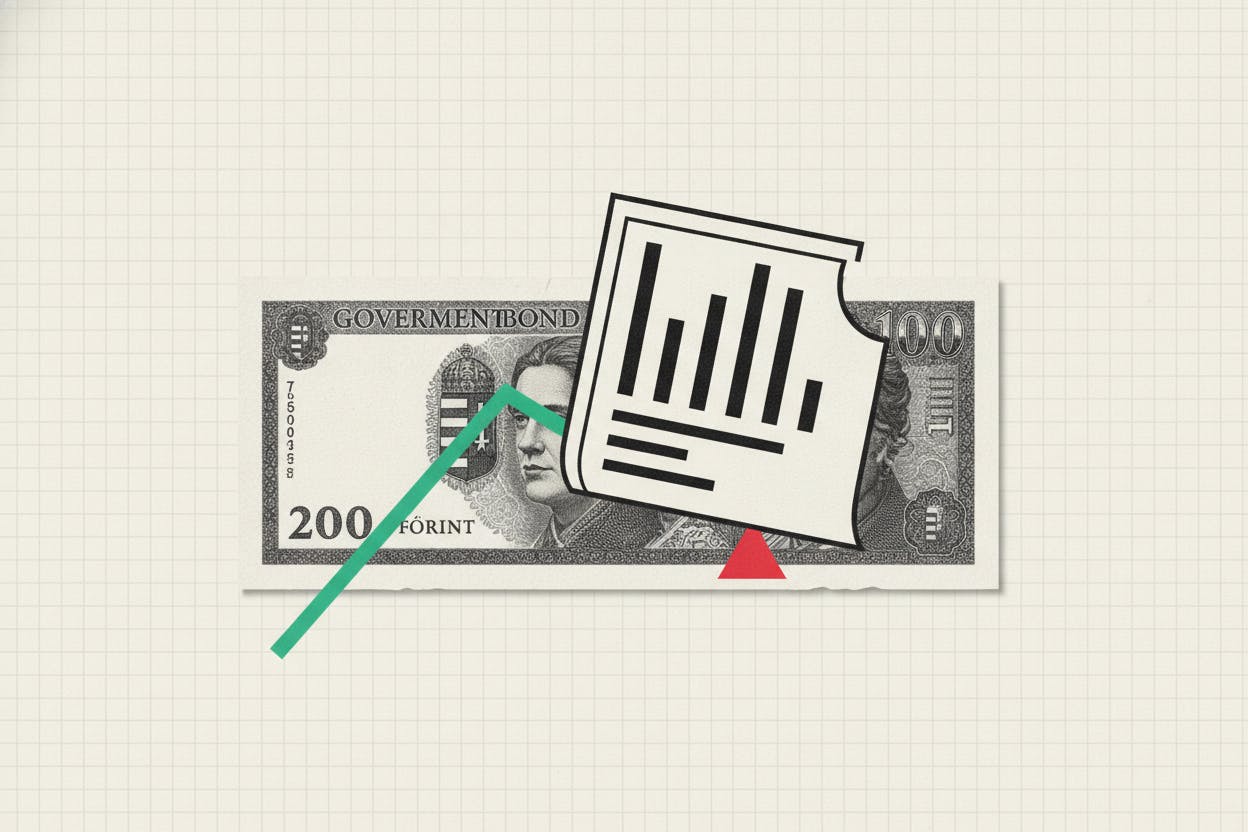
Hungary's central bank trimmed its base rate by 25 basis points to 5.5% on Tuesday, extending a summer run of gradual monetary easing as inflation cooled to 1.2% in July. The decision, widely expected by economists, marks the latest step in a careful loosening cycle aimed at supporting an economy that has struggled with high borrowing costs.
Why the central bank is cutting
The main driver behind the move is the sharp slowdown in price growth. July's inflation reading of 1.2% is the lowest in nearly a decade, helped in part by a stronger forint, which makes imported goods cheaper. That gives policymakers room to reduce the cost of borrowing without fear of reigniting price pressures.
ING, a European bank, noted that July's inflation figure even came in below the central bank's own forecast range. That raises the odds that the bank will mark down its inflation outlook in upcoming projections, potentially paving the way for further rate cuts over time.
Still, the central bank is moving cautiously. The 25-basis-point cut is the same size as previous moves in this cycle, reflecting a preference for small, predictable steps rather than aggressive easing. This approach helps avoid unsettling financial markets or triggering sharp currency moves.
Market reaction and the budget deficit
Markets barely reacted to the decision. The forint traded around 362.50 per euro shortly after the announcement, suggesting investors had already priced in the cut. Currency stability is a key consideration for the central bank, as a sharp depreciation could reignite inflation by making imports more expensive.
Attention now shifts to the government's budget deficit. Hungary has run a wide fiscal shortfall, and investors are watching whether the government can rein in spending. A large deficit can put pressure on the currency and complicate the central bank's easing path. The bank has repeatedly stressed the importance of fiscal discipline in maintaining the conditions for further rate reductions.
For context, central banks in other parts of Europe are also navigating similar trade-offs. For instance, Sweden's Riksbank recently held rates at 1.75% but signaled possible future hikes despite low inflation, highlighting how different economies are balancing price stability with growth concerns.
What it means for investors
For everyday investors, the key takeaway is that Hungarian interest rates are on a downward path, but the pace is gradual. Lower rates typically reduce the returns on cash deposits and short-term government bonds, which could push some investors toward riskier assets like equities or longer-dated bonds in search of yield.
However, the budget deficit remains a wildcard. If fiscal problems worsen, the forint could weaken, which would hurt foreign investors holding Hungarian assets. On the other hand, if the government keeps spending under control, the central bank may have room to cut rates further, which could support bond prices.
Investors should also keep an eye on inflation data in the coming months. If price growth stays below the central bank's target, the case for additional cuts strengthens. Conversely, any surprise uptick in inflation could pause the easing cycle.
For those with exposure to Hungarian assets, the gradual nature of the cuts suggests a stable but not dramatic environment. The forint's resilience around 362.50 per euro indicates that markets are comfortable with the current policy path, but any deviation from expectations could trigger volatility.
As always, it's wise to consider how these developments fit into a diversified portfolio. Central bank decisions in smaller economies like Hungary can have outsized effects on local markets, but their impact on global portfolios is usually limited.