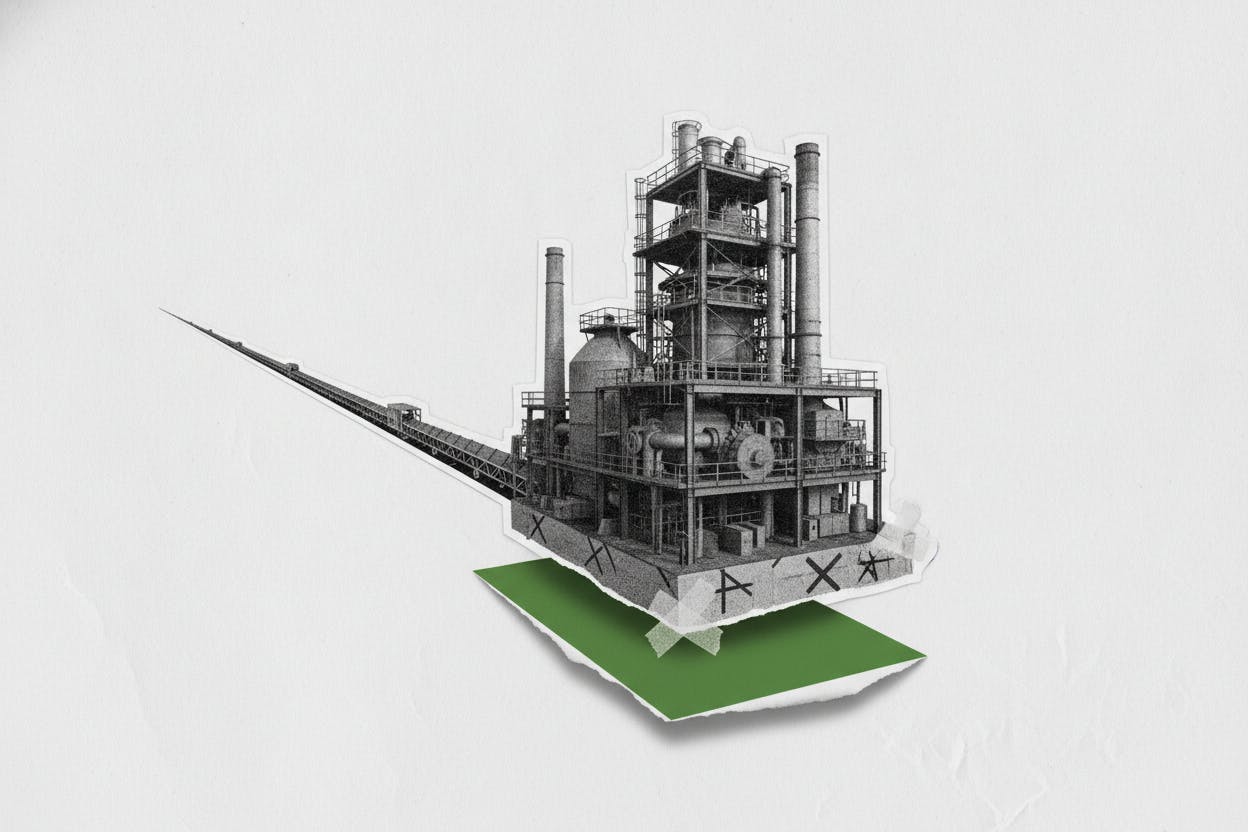
Australian miner IGO has agreed to sell the processing plant from its Nova nickel operation in Western Australia to Global Lithium Resources for AU$7 million, according to an Australian Securities Exchange filing. The deal gives Global Lithium a ready-made processing hub that it plans to refit for its Manna lithium project, with first lithium concentrate output targeted for mid-2027.
Deal Structure and Key Terms
The AU$7 million purchase price is split into three parts: AU$3 million in cash upfront, AU$2 million in Global Lithium shares, and AU$2 million in deferred cash due one year after completion. The sale also includes Nova's infrastructure and rehabilitation obligations, meaning Global Lithium takes on responsibility for the site's environmental cleanup.
For IGO, which is winding down its nickel operations at Nova, the sale represents a cleanup of a non-core asset. The company is shifting focus away from nickel amid a challenging market for the metal, and this transaction helps it shed liabilities while recovering some value. The deal still requires regulatory approval before it can close.
Why Global Lithium Is Buying
Global Lithium's strategy is built on speed and certainty. Rather than building a brand-new processing plant from scratch—a process that typically involves lengthy permitting, construction delays, and cost overruns—the company plans to truck ore about 170 kilometers from its Manna project to the existing Nova plant. By retrofitting an established facility, Global Lithium aims to cut what is often the biggest bottleneck in hard-rock lithium development: getting a processing plant permitted, built, and operational.
“Using a proven site can cut the biggest headache in hard-rock lithium – building and permitting a new processing facility – but it shifts the key risk to whether the retrofit works and stays on schedule,” the companies noted in their filing.
The AU$7 million price tag is modest compared to the cost of a greenfield plant, which can run into hundreds of millions of dollars. However, the real test will be execution: can Global Lithium convert the nickel plant into a lithium concentrator, commission it, and start producing within its targeted timeline?
What It Means for Investors
For markets, the deal puts a spotlight on Global Lithium's ability to deliver on its mid-2027 target. The headline price is small relative to what a new plant would cost, so investors are likely to view this less as a bargain purchase and more as a de-risking move. Lenders and equity investors typically penalize greenfield projects because construction and permits are where timelines slip and budgets blow out. By buying Nova, Global Lithium is trying to replace that uncertainty with a trackable milestone: can an existing hub be converted, commissioned, and run in time to produce concentrate in mid-2027?
That makes the project's perceived odds of reaching first production—and what the market is willing to pay for that future cash flow today—more sensitive to execution at Nova than to the AU$7 million itself. If the retrofit proceeds smoothly, Global Lithium could gain a significant time-to-market advantage over peers still waiting on permits. If delays or technical issues emerge, the stock could face pressure as confidence in the timeline erodes.
For IGO, the sale is a modest but tidy exit from a legacy asset. The company is refocusing its portfolio, and shedding Nova's processing plant and rehabilitation obligations frees up management attention and capital for other priorities. Investors in IGO may see this as a small positive, but the real story is the company's broader transition away from nickel.
Broader Context
The deal comes amid a shifting landscape for critical minerals in Australia. Nickel prices have been under pressure from oversupply, particularly from Indonesia, prompting several miners to scale back or exit the sector. Meanwhile, lithium demand remains tied to the electric vehicle and battery storage markets, though prices have also been volatile in recent years.
Global Lithium's Manna project is one of several lithium developments in Western Australia, a region that already hosts major lithium operations like Greenbushes and Pilgangoora. The ability to repurpose existing infrastructure could become a template for other developers looking to accelerate timelines and reduce capital costs.
Investors should also consider the broader regulatory environment. The deal requires approval from Australian authorities, and any delays or conditions attached could affect the timeline. Additionally, the lithium market's outlook will play a role in whether Global Lithium can secure financing for the retrofit and ongoing operations.
For a related example of how companies are repurposing industrial assets in Western Australia, see our coverage of Alcoa's gallium plant, which could supply 10% of the global market. Meanwhile, the broader trend of asset sales in the mining sector continues, as seen in Mink Ventures drilling at its Warren nickel site.
In summary, the IGO-Global Lithium deal is a small transaction with big implications for project execution risk. Investors will be watching closely to see whether Global Lithium can turn a nickel plant into a lithium producer by mid-2027.