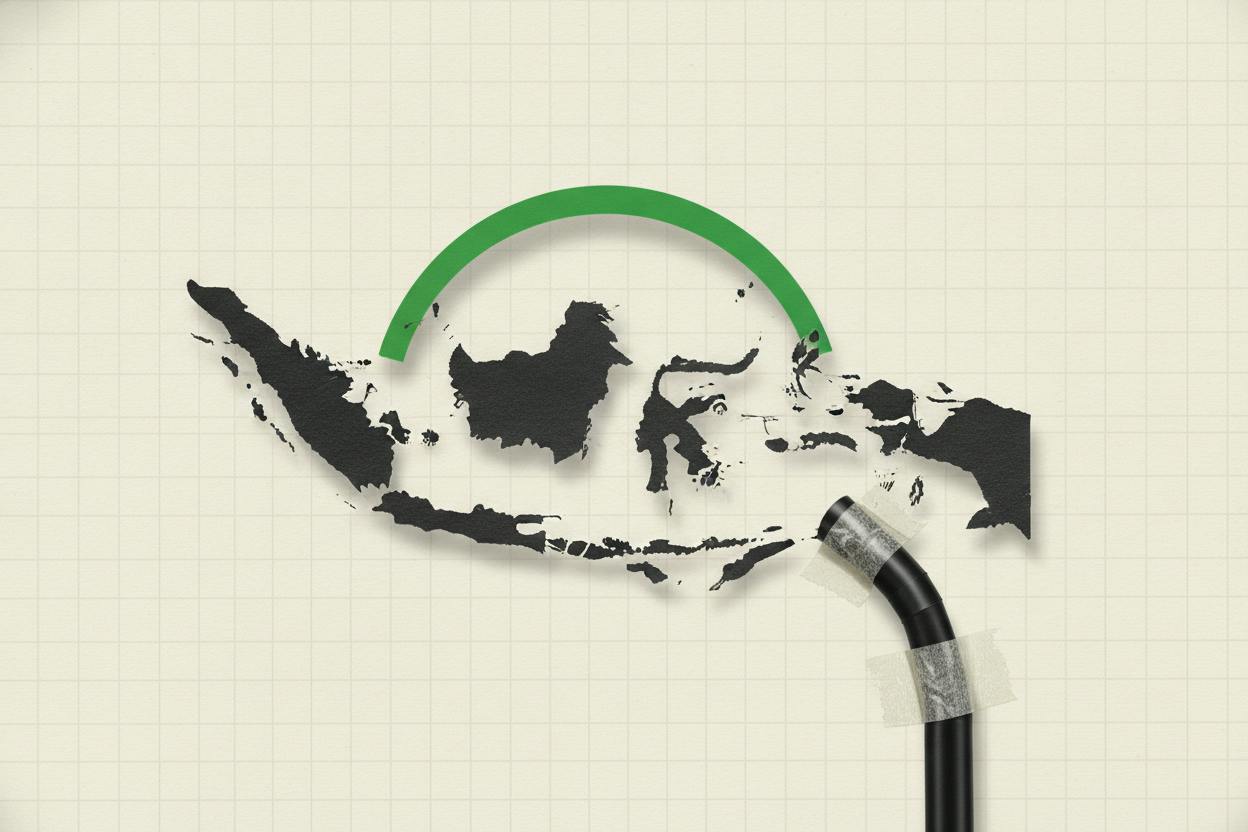
Indonesia's external finances showed signs of improvement in the third quarter, as the country's current account deficit narrowed to 0.5% of gross domestic product (GDP). The central bank, Bank Indonesia, reported that the overall balance of payments swung to a surplus of $80 million in Q3, reversing a deficit of $882 million in the previous quarter.
The current account gap—the broadest measure of a country's trade and income flows with the rest of the world—tightened to about $2 billion. Bank Indonesia attributed the improvement to stronger non-oil exports and lower energy imports, which together reduced the oil-and-gas trade shortfall and made the overall trade picture more robust.
Why the current account matters
A current account deficit means a country is spending more on foreign goods, services, and income than it is earning from abroad. To cover that gap, it needs to attract foreign capital—either through foreign investment, loans, or portfolio inflows. The larger the deficit, the more reliant a country becomes on external financing, which can be a vulnerability if global investors suddenly turn risk-averse.
Indonesia's narrower deficit is therefore a positive signal for its external funding needs. It suggests the country needs less foreign money to balance its day-to-day international transactions, reducing its exposure to sudden capital outflows. This is particularly relevant given the recent pressure on the rupiah, which hit a record low earlier this week. A smaller current account gap can help calm concerns about Indonesia's ability to finance itself, even if it doesn't guarantee a stronger currency.
What it means for investors
For investors, a 0.5% current account deficit is a relatively comfortable level. It means Indonesia is less dependent on short-term portfolio inflows that can reverse quickly when global conditions change—such as shifts in US interest rates or risk sentiment. This can reduce the "risk premium" investors demand for holding Indonesia-linked assets, potentially feeding through to lower hedging costs for rupiah exposure and more stable pricing in local-currency government bonds and other emerging-market assets tied to Indonesia's exchange-rate stability.
Bank Indonesia said it expects the supportive backdrop to continue, with exports and commodity prices helping keep the deficit contained. The central bank has been actively managing the currency, including raising interest rates to 6% earlier this year to defend the rupiah. The latest data suggests that external pressures may be easing, though the currency remains sensitive to global factors.
The improvement in Indonesia's external position also comes amid broader regional developments. For instance, Indonesia and China recently signed $71.8 billion in deals, including a $50 billion smart city plan, which could support long-term investment flows. Additionally, the central bank's efforts to stabilize the currency are part of a wider trend in emerging markets, where countries are grappling with strong US dollar and high global interest rates.
Looking ahead
Investors will be watching whether the improvement in Indonesia's external accounts is sustained. Key factors include global commodity prices, which affect export earnings, and the trajectory of energy imports. A continued narrowing of the current account deficit would bolster confidence in the rupiah and reduce the need for aggressive central bank intervention.
However, risks remain. A resurgence in global oil prices or a slowdown in demand for Indonesian exports could reverse the trend. Moreover, the rupiah's record low earlier this week serves as a reminder that external factors, particularly US monetary policy, still weigh heavily on the currency.
For everyday investors, the takeaway is that Indonesia's external position is looking more stable, which is generally supportive for the rupiah and Indonesian assets. But as always, global conditions can change quickly, and the currency remains vulnerable to shifts in investor sentiment. As JPMorgan warns about rich-world deficits, emerging markets like Indonesia are also navigating a complex global environment.
In the meantime, the narrowing deficit is a welcome development for a country that has been under pressure to attract foreign capital. It may not make headlines like a major corporate deal, but for those with exposure to Indonesian markets, it's a quiet sign of resilience.