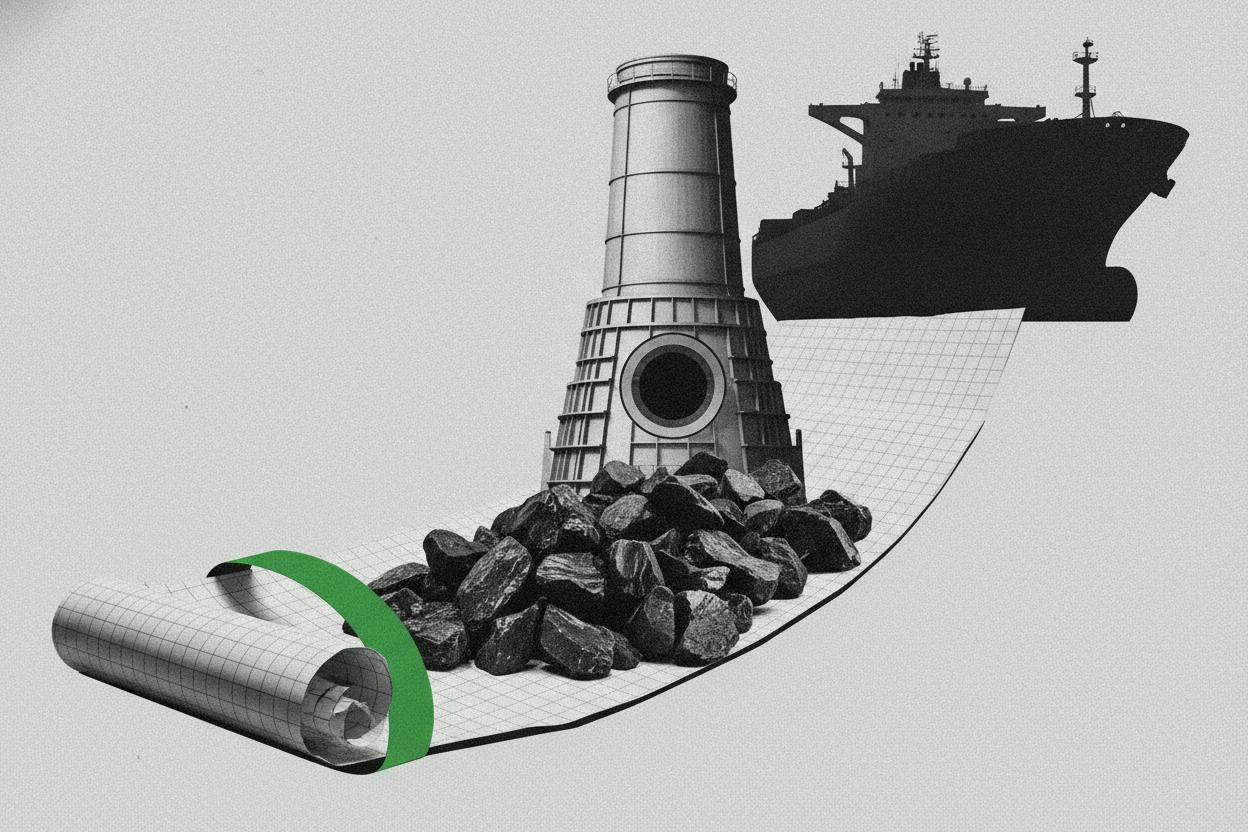
Iron ore prices inched higher on Tuesday as Chinese steel mills returned from the week-long National Day holiday and signaled they would begin replenishing inventories. The modest bounce, however, was kept in check by traders' expectations of stronger supply from miners in the fourth quarter, according to Reuters.
What happened
The most-traded iron ore futures contract on the Dalian Commodity Exchange rose 0.15% to 684.5 yuan per metric ton, while Singapore's November benchmark climbed 0.67% to $91.2 a ton. These gains follow a soft week for the commodity, which had been weighed down by weak buying interest and a growing focus on the supply side of the market.
The National Day holiday, which runs from October 1 to 7, is a major break for Chinese industry. Steel mills typically slow production and purchasing during the holiday, then return to the market to rebuild raw material stocks. This post-holiday restocking is a key seasonal driver for iron ore demand, and traders were watching for signs of how aggressively mills would buy.
Why it matters
Iron ore is a bellwether for the health of China's steel sector and, by extension, its broader economy. China is the world's largest consumer of iron ore, accounting for roughly 70% of global seaborne trade. When Chinese mills buy, prices tend to firm; when they hold back, prices weaken.
The fact that prices only ticked up, rather than rallying, suggests that traders are not convinced the restocking wave will be strong enough to offset the expected increase in supply. Major miners in Australia and Brazil typically ramp up shipments in the fourth quarter to meet annual targets, which can flood the market with additional ore.
This dynamic is familiar to anyone who follows the commodity: a seasonal demand bump meets a supply surge, and the price settles somewhere in between. The current price level, around $91 a ton, is well below the peaks seen in recent years, reflecting a market that is well supplied and facing uncertain demand from China's property sector, a major consumer of steel.
What it means for investors
For everyday investors, iron ore prices matter in a few ways. They influence the earnings of major mining companies like BHP, Rio Tinto, and Vale, which are listed on global exchanges and often held in diversified portfolios. When iron ore prices fall, these companies' profits and share prices tend to suffer; when prices rise, they benefit.
Iron ore is also a proxy for China's economic activity. A sustained rally in the commodity often signals that Chinese industry is humming, while a prolonged decline can indicate weakness in construction and manufacturing. Investors with exposure to emerging markets or to companies that sell heavy equipment, steel, or shipping services may want to keep an eye on iron ore trends.
That said, the current move is small and not a clear signal in either direction. The market is waiting for more concrete data on China's steel demand, particularly from the property sector, which has been struggling with a debt crisis and weak new-home sales. Any stimulus measures from Beijing could also shift the outlook.
Related reading: China's regulator pushes dividends and patient capital and China redirects $82 billion in unused debt quotas.
What to watch next
Traders will be watching weekly port inventory data from China, which shows whether mills are actually building stocks. They will also monitor any announcements from major miners about their fourth-quarter shipment plans. If supply comes in higher than expected, prices could resume their decline; if restocking proves stronger than anticipated, the bounce could extend.
For now, the market appears balanced, with buyers and sellers both cautious. The modest gains suggest that the post-holiday restocking is happening, but not with the urgency that would push prices sharply higher. As always, the next few weeks will tell whether this is the start of a sustained move or just a blip in a longer-term trend.