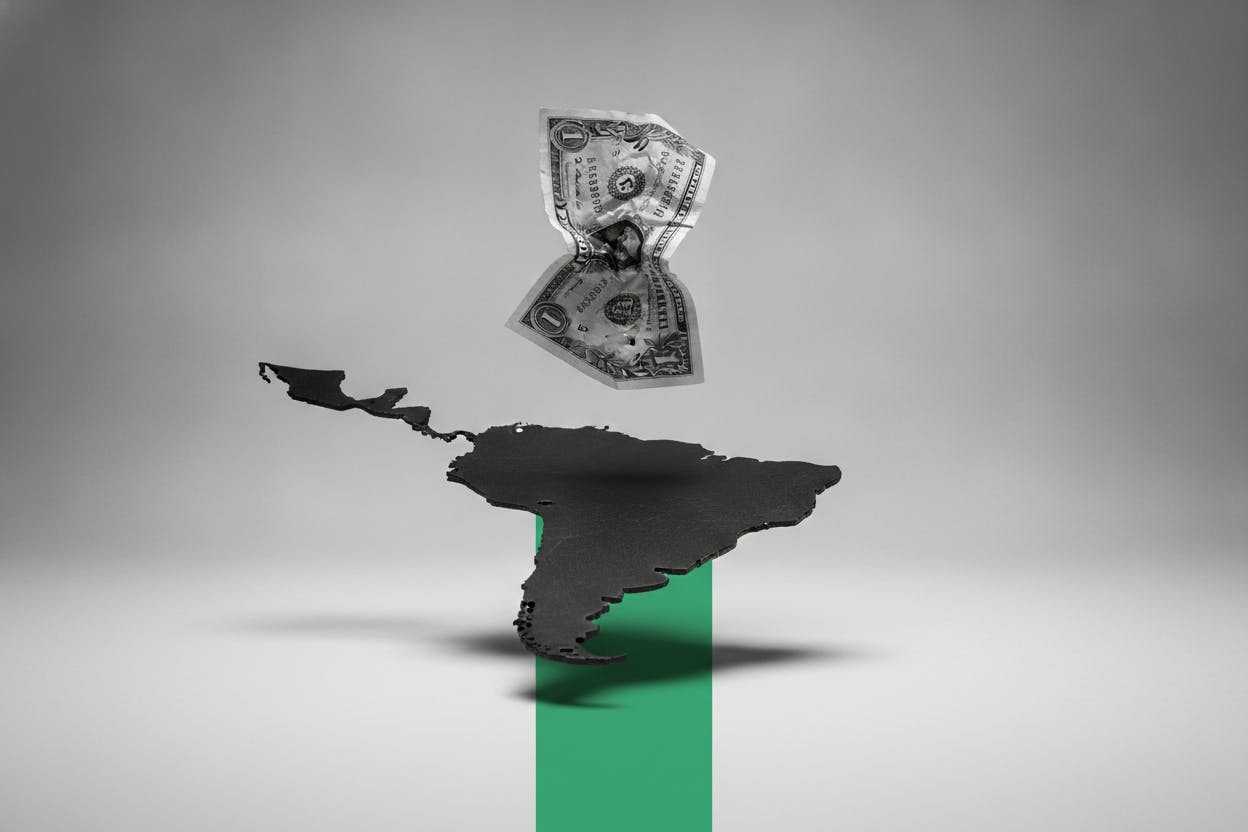
Latin American markets got a welcome boost on Friday after softer-than-expected US jobs data for June pushed the dollar lower and eased fears of another near-term interest rate hike by the Federal Reserve. Regional stocks rose about 1% and currencies strengthened by 0.3%, according to Reuters, as traders recalibrated their expectations for US monetary policy.
What the data showed
The US economy added fewer jobs in June than analysts had forecast, and earlier payroll estimates for previous months were revised downward. That combination signaled a cooling labor market, which tends to reduce pressure on the Fed to keep raising rates. When rate hike expectations fall, the dollar typically weakens because lower rates make US assets less attractive to foreign investors.
For Latin America, a weaker dollar is a double win. It makes dollar-denominated debt cheaper to service for governments and companies that borrowed abroad, and it encourages global investors to shift money into riskier assets like emerging-market stocks and bonds. That dynamic was on full display Friday, with currencies from Mexico to Brazil gaining ground against the greenback.
This marks a reversal from recent weeks, when a strong dollar pressured Latin American markets as the new quarter began. The shift in sentiment also echoes broader trends seen in other emerging markets, such as the rand edging higher as the dollar slipped ahead of the jobs report.
Why it matters for investors
For everyday investors, the connection between US jobs data and Latin American markets may seem indirect, but it has real implications. Many mutual funds and exchange-traded funds (ETFs) that focus on emerging markets include Latin American stocks and bonds. When the dollar weakens, those assets often rise in value, boosting returns for investors who hold them.
Additionally, a lower dollar can help Latin American companies that export commodities like oil, copper, and soybeans, because those goods are priced in dollars. When the dollar falls, the local-currency revenue from those exports increases, which can lift corporate profits and stock prices.
However, investors should note that this is a single day's move, not a sustained trend. The Fed has repeatedly signaled it wants to see more progress on inflation before cutting rates, and future data could shift expectations again. As we saw in markets starting Q2 cautiously, the Fed's commitment to its 2% inflation target remains a key driver of global market sentiment.
What to watch next
Market participants will now focus on upcoming US inflation data and Fed speeches for clues about the path of interest rates. If inflation continues to cool, the dollar could weaken further, providing more tailwinds for Latin American assets. Conversely, if inflation proves sticky, the Fed may keep rates higher for longer, renewing pressure on emerging markets.
Investors should also keep an eye on local factors. For example, Chile's economy slipped again as copper mining output plunged, highlighting that country-specific risks remain. Similarly, African markets are weighing oil slides and rising inflation, showing that emerging markets are not a monolith.
For now, Latin American markets are catching a break. But as any seasoned investor knows, the weather can change quickly.