Markets began the new quarter on a cautious note Tuesday, with investors stepping back after a powerful rally driven by chipmakers. The focus is now squarely on Thursday's US jobs report, which could signal whether the Federal Reserve will keep interest rates higher for longer.
Traders are also monitoring rising Treasury yields, a slide in the Japanese yen to fresh multi-decade lows, and stalled US-Iran negotiations that could affect oil flows through the Strait of Hormuz. These crosscurrents are creating a wait-and-see mood after a blockbuster first quarter.
What's driving the pause?
The MSCI World index gained 13% in the first quarter, while the Philadelphia Semiconductor Index surged 88%, fueled by enthusiasm around artificial intelligence and strong demand for chips. But as the new quarter opens, investors are asking whether higher interest rates could start to bite.
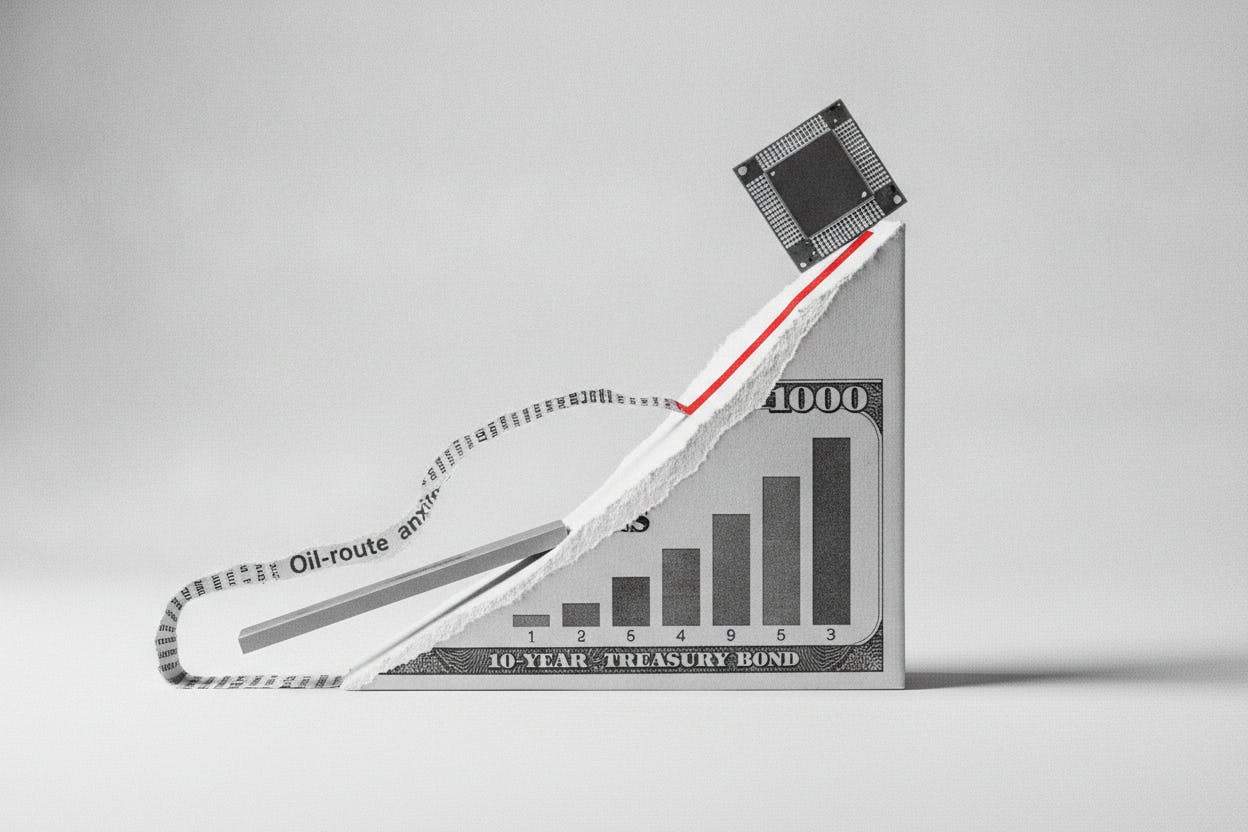
The US 10-year Treasury yield rose to 4.46% on Tuesday. When bond yields go up, they raise the 'discount rate' used to value future company profits, which can make stocks look less attractive. That's especially true for growth stocks and tech companies, where a big chunk of expected earnings lies years ahead.
Rising yields have also weighed on gold, which slipped to a seven-month low recently, as higher bond returns make the non-yielding metal less appealing. For a deeper look at that trend, see Gold Slips to Seven-Month Low as Rising Yields and Strong Dollar Weigh.
Yen weakness and oil risks
The Japanese yen continued its slide, hitting fresh lows not seen in decades. A weaker yen is a double-edged sword for Japan's economy: it helps exporters by making their goods cheaper abroad, but it raises import costs for energy and raw materials. Japan's factories posted their best quarter in over a decade, with the manufacturing PMI hitting 54.8, but the currency's decline adds uncertainty. For more on that, check out Japan's Factories Post Best Quarter in Over a Decade as PMI Hits 54.8.
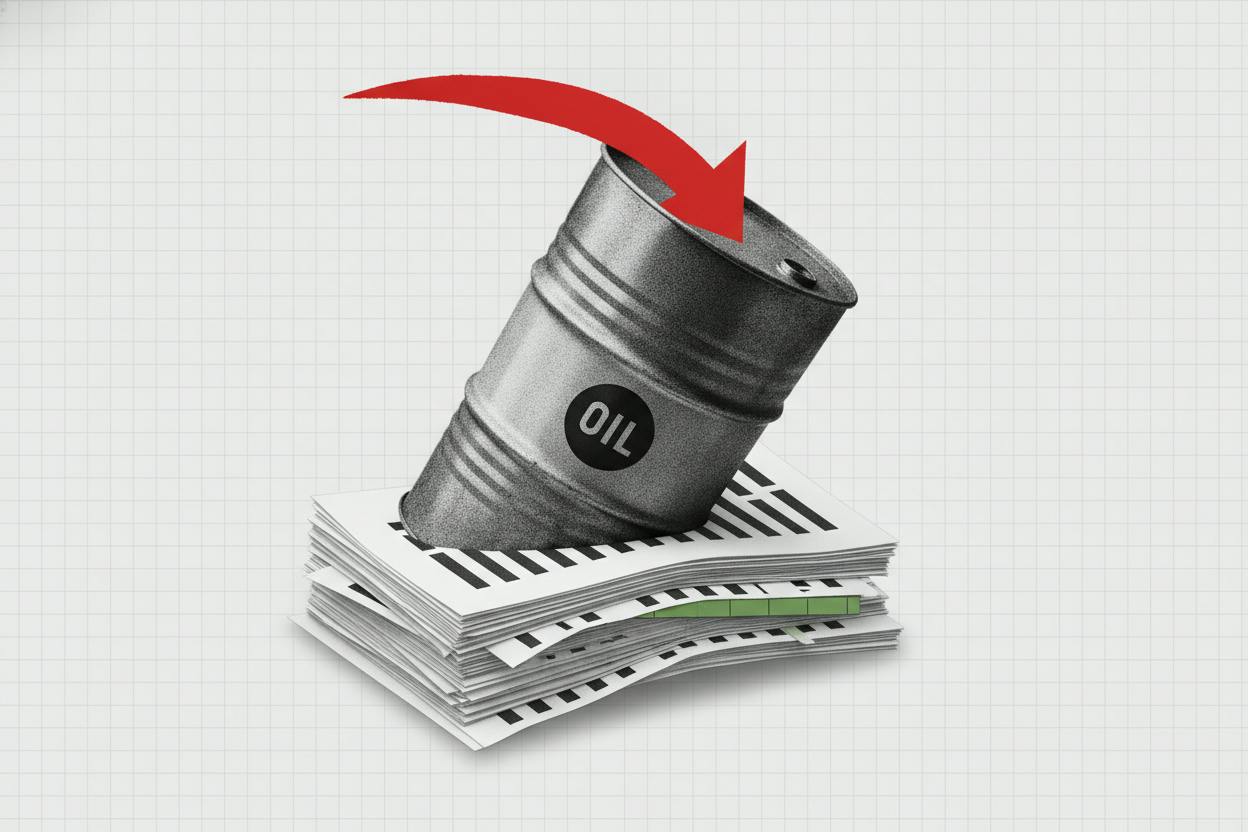
Meanwhile, US-Iran talks remain stalled, with no progress on access through the Strait of Hormuz, a critical chokepoint for global oil shipments. About 20% of the world's oil passes through that narrow waterway. If tensions escalate, oil prices could spike, which would feed into inflation and complicate central bank policy. Oil already posted its steepest quarterly drop since 2020 last quarter, partly on hopes of a ceasefire, but the lack of progress now leaves the door open for volatility.
What it means for investors
Thursday's US jobs report is the next big test. If the data shows a strong labor market, it could reinforce the case for the Fed to keep rates high, potentially pushing yields even higher and putting more pressure on stocks. A weaker report, on the other hand, might revive hopes for rate cuts later this year.
For everyday investors, this period of caution is a reminder that markets don't move in a straight line. After a quarter where chipmakers led the charge, it's normal for markets to take a breather and reassess. The key is to watch how bond yields and currency moves interact with corporate earnings, especially for companies with high debt loads or exposure to international markets.
Rising yields have already shifted some investor focus away from software firms and toward chipmakers, as AI enthusiasm continues to drive demand for semiconductors. For more on that shift, see AI Enthusiasm Shifts to Chipmakers as Software Firms Face Rising Debt Costs.
In the energy sector, the stalled US-Iran talks add a layer of uncertainty. If oil prices rise, it could benefit energy stocks but hurt sectors like airlines and shipping. The broader market is also watching how China's factory activity, which had its best quarter since 2020, holds up amid global demand concerns.
Ultimately, the next few days will give investors a clearer picture of whether the economy is cooling enough to warrant rate cuts, or if it remains too hot for the Fed to ease. Until then, expect more sideways trading and a focus on safe-haven assets like bonds and the US dollar.