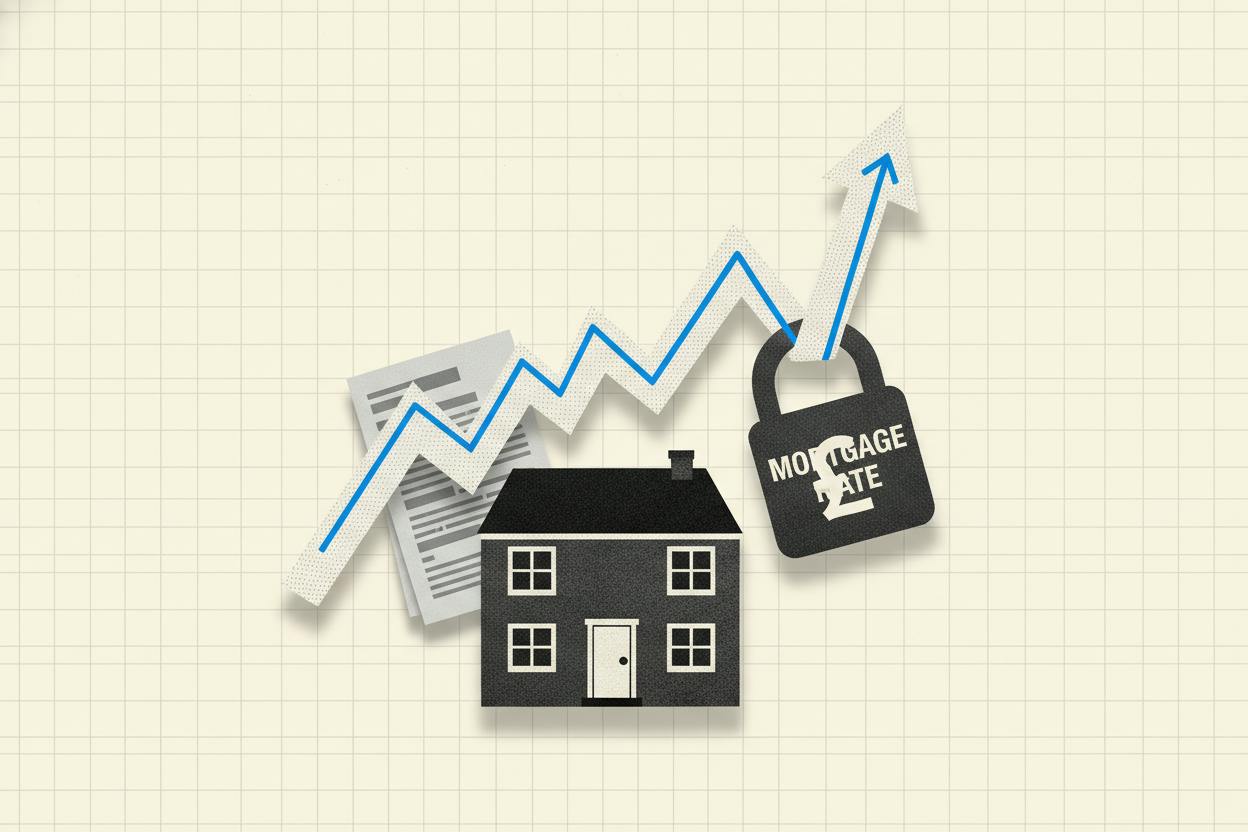
US mortgage applications climbed 6.1% in the week ended Nov. 20, according to the Mortgage Bankers Association (MBA), even as the average 30-year fixed mortgage rate edged up to 7.38%. The increase snapped a two-week slide and was driven almost entirely by homebuyers, with purchase applications jumping a seasonally adjusted 10% — the strongest weekly pace since September.
The data offers a mixed signal for the housing market. On one hand, the rebound suggests some buyers are still willing to act despite elevated borrowing costs. On the other, the modest overall gain — and the near-flat reading for refinancing — highlights how deeply high rates have squeezed affordability for the average American household.
What's behind the bounce?
The weekly increase followed a 2.3% drop in the prior week, so part of the move may simply be a rebound from a weak stretch. But the details point to something more specific: while the average rate for the week was slightly higher than the week before, rates actually fell during the week. That intra-week decline likely pulled some buyers off the sidelines, according to Joel Kan, the MBA's deputy chief economist.
“Rates didn’t improve on average, but they fell during the week, which likely pulled some buyers back in,” Kan said in the report.
That pattern — buyers responding to even small dips in rates — has become a recurring theme in 2024. With the 30-year rate hovering near 7%, many would-be homeowners are waiting for any sign of relief. When rates tick down even a few basis points, it can be enough to trigger a burst of activity from those who have been holding out.
Refinancing remains stuck
While purchase activity perked up, refinancing applications rose just 1% week over week. That's a telling detail. Most homeowners who took out mortgages in recent years locked in rates well below today's levels — often in the 3% to 4% range. Refinancing at 7.38% would mean a higher monthly payment for most, so there's little incentive to go through the process.
The result is a refinancing market that has been largely dormant. Even as rates have drifted down from their 2023 peaks above 8%, they remain far too high to make refinancing attractive for the vast majority of borrowers. The MBA's data underscores that dynamic: the refinance share of total applications barely moved, and the overall index rose only because of the purchase side.
What it means for investors
For everyday investors, the mortgage data is a window into the broader economy and the housing sector. When mortgage applications rise, it can signal that home sales — and the industries tied to them, like homebuilders, furniture retailers, and mortgage lenders — may see a pickup in activity. Conversely, persistently high rates can weigh on those sectors.
The fact that purchase applications are still responding to small rate dips suggests there is pent-up demand, but it's being held back by affordability. With the average 30-year rate at 7.38%, the monthly payment on a typical home is far higher than it was a few years ago. That's a key reason why home sales have been sluggish for much of the year.
Investors should also watch what this means for the Federal Reserve. Mortgage rates don't move directly with the Fed's benchmark rate, but they tend to track the yield on 10-year Treasury bonds, which is influenced by expectations for inflation and economic growth. If rates stay high, it could be a sign that the bond market expects the Fed to keep policy tight for longer — a factor that affects everything from stock valuations to borrowing costs for companies.
For those with money in the stock market, the housing data is one more piece of the puzzle. A resilient housing market can support consumer confidence and spending, while a prolonged slump can drag on economic growth. The current picture is mixed: buyers are still showing up, but they're highly sensitive to rate moves, and the refinancing boom that once fueled consumer cash flow is long gone.
The bigger picture
The MBA's weekly survey covers about 75% of all US retail residential mortgage applications, making it a reliable gauge of housing demand. The latest numbers come as the housing market heads into the typically slower winter season, and as the Fed's rate path remains uncertain.
Globally, other central banks are facing similar challenges. In Australia, for instance, inflation has reaccelerated, complicating the central bank's rate-cut bets, while in New Zealand, mortgage lending has slumped as rates stay high. These trends underscore that high borrowing costs are a worldwide phenomenon, not just a US one.
For now, the US housing market is in a holding pattern. Buyers are waiting for rates to fall, sellers are reluctant to give up their low-rate mortgages, and the result is a market with limited inventory and limited activity. The weekly mortgage data will be worth watching in the coming months to see whether the recent uptick is a blip or the start of a more sustained recovery.