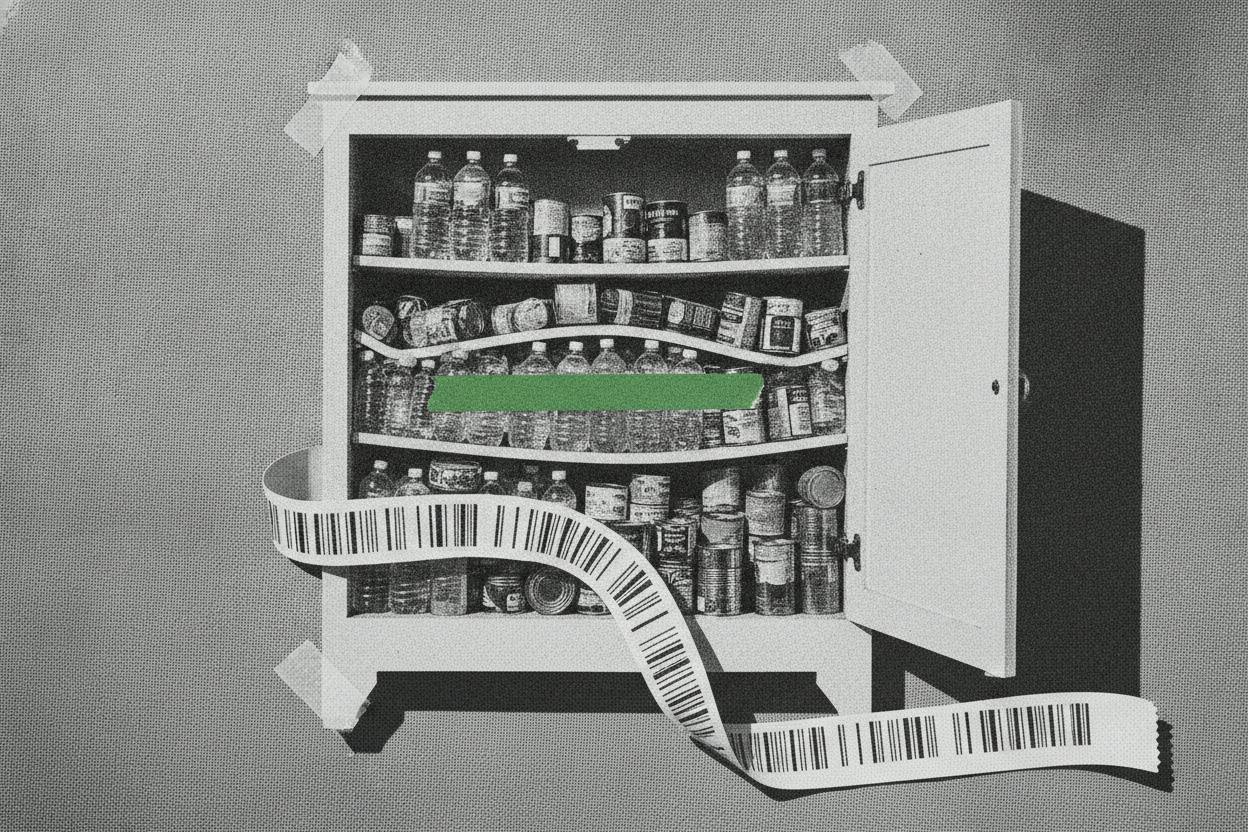
When the UK government urged households to keep a three-day supply of water and other basics on October 22, many Britons took the advice to heart. In the 10 days that followed, sales of bottled water surged 67% compared with the same period a year earlier, according to consumer research firm Worldpanel by Numerator.
The spike was not limited to water. Hand sanitizer sales rose 83% year-on-year, and tinned and jarred goods were up 37% in the same window. The pattern points to a clear but contained bump in “just in case” shopping, rather than a sustained shift in how people buy groceries.
What the data shows
The figures come from Worldpanel by Numerator, which tracks household spending across UK supermarkets. The 67% rise in bottled water sales is notable because it happened even as supermarket prices continued to climb. Over the four weeks to November 1, grocery inflation ran at 2.6%, meaning shoppers were paying more for the same items while also buying extra supplies.
That combination—higher prices and higher demand for emergency staples—suggests the campaign tapped into a genuine sense of preparedness among consumers. The government’s “Be Ready” message, which encouraged families to keep water, tinned food, and other essentials on hand, was designed to build resilience against potential disruptions. The sales data suggests it resonated.
It is worth noting that the effect appears to have been temporary. The data covers only the 10 days immediately after the announcement, and there is no evidence yet of a longer-term change in shopping habits. Still, the sharp uptick in specific categories shows how quickly a government message can translate into consumer behaviour.
What it means for investors
For investors, the immediate takeaway is that consumer staples companies—particularly those selling bottled water, hand sanitizer, and canned goods—may see a short-term boost in sales. However, such spikes are often one-off events rather than signals of durable growth. Companies in this position often benefit from a temporary lift in revenue, but the effect typically fades once the initial wave of stockpiling passes.
The broader context is also important. Grocery inflation at 2.6% remains above the Bank of England’s overall inflation target, and it continues to squeeze household budgets. While the “Be Ready” campaign drove a burst of spending, it does not change the underlying pressure on consumers. Indeed, UK retail sales rose 1.5% in October, but shoppers were still holding back on non-food items, suggesting that discretionary spending remains cautious.
For everyday investors, the key is to distinguish between a temporary blip and a lasting trend. A 67% jump in bottled water sales is eye-catching, but it is unlikely to move the needle for a large supermarket chain or a major beverage company over the long term. Instead, the more durable story may be the persistence of grocery inflation, which continues to affect both consumer behaviour and corporate margins.
Investors should also watch how the government’s preparedness messaging evolves. If such campaigns become more frequent or more forceful, they could create recurring, predictable spikes in demand for emergency supplies. That might benefit companies with strong positions in bottled water, canned goods, and hygiene products. But for now, the evidence points to a one-off reaction to a specific government announcement.
In the meantime, the data offers a useful reminder of how external events—whether a government campaign, a weather event, or a supply disruption—can temporarily alter consumer spending patterns. For investors, understanding these dynamics is part of separating noise from signal. A single week of strong sales is not a reason to change a portfolio, but it can offer insight into how resilient consumer demand is in the face of rising prices.
As the holiday shopping season approaches, all eyes will be on whether the stockpiling impulse persists or fades. Early signs suggest it was a short-lived reaction, but the fact that shoppers were willing to pay higher prices for essentials underscores the strength of demand for basic goods. That is a positive sign for consumer staples companies, even if it does not signal a broader shift in spending habits.