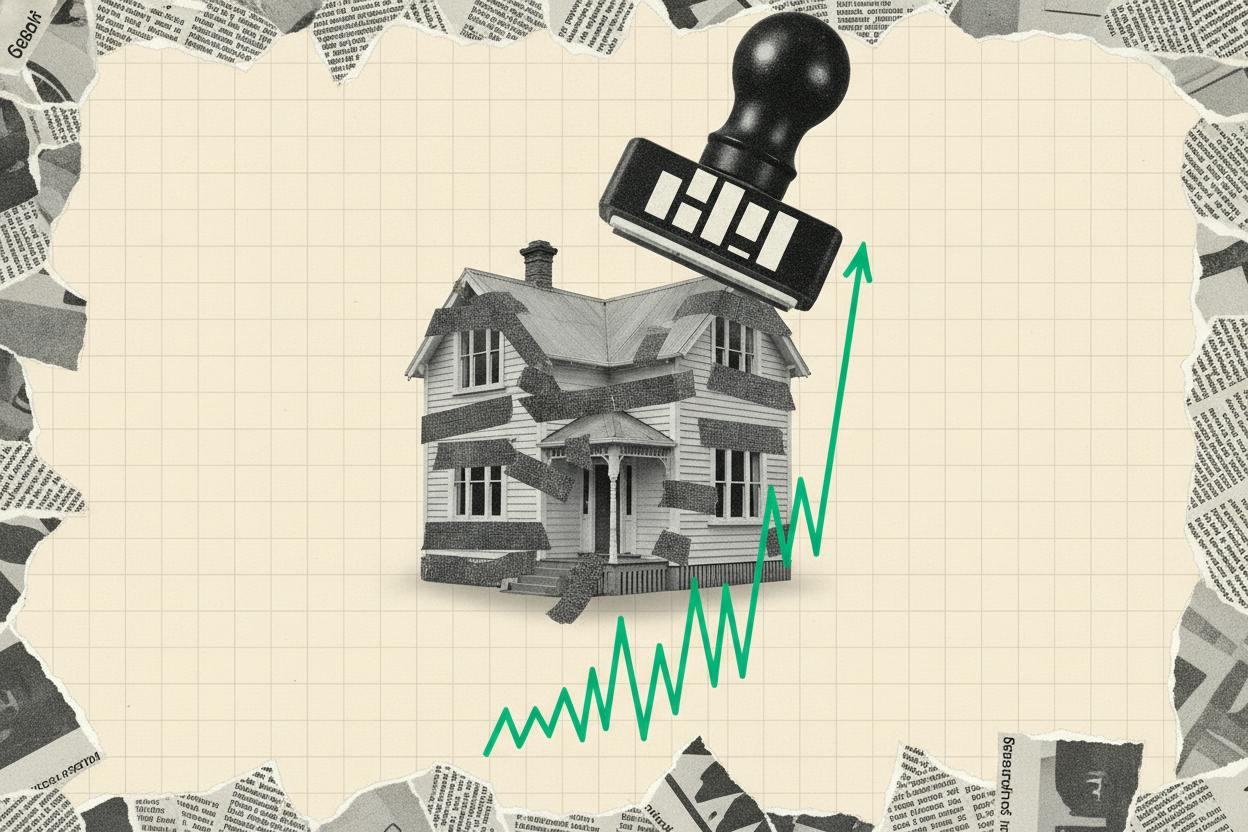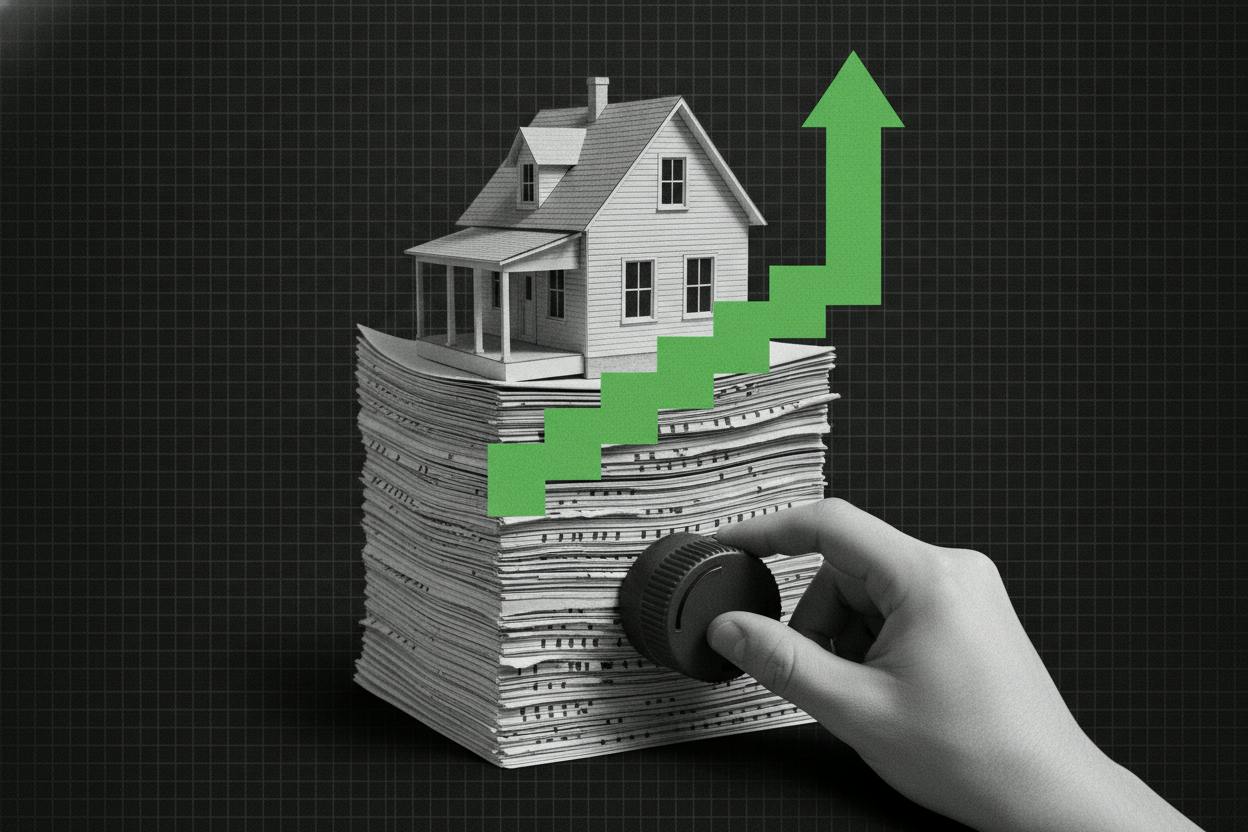
A large wave of Canadian variable-rate mortgages taken out in late 2021 and early 2022 is now coming up for renewal, and a new report from Desjardins warns the financial hangover could linger well beyond this year's renewal season.
Desjardins, one of Canada's largest financial cooperatives, estimates that some first-time renewers could see their monthly mortgage payments jump by roughly 50% this fall and winter. The warning echoes the Bank of Canada's 2026 Financial Stability Report, which noted that many borrowers rolling over five-year fixed- and variable-rate mortgages may still face meaningful payment increases through the first half of 2027.
Why this renewal wave is different
During the period of ultra-low interest rates in late 2021 and early 2022, variable-rate mortgages looked like a bargain. Fixed rates had already started to climb, so many buyers chose variable-rate loans because they offered lower initial payments. At their peak, variable-rate mortgages accounted for more than half of all new mortgages in Canada.
That created a large cohort of borrowers who are now renewing at much higher interest rates. The Bank of Canada has raised its policy rate sharply since then, and those increases have flowed through to mortgage rates. For many borrowers, the renewal means a significant jump in their monthly payment.
But the pain isn't limited to this year. Desjardins points to the central bank's warning that payment increases could continue into the first half of 2027, as more mortgages roll over. That suggests the pressure on household budgets and the broader economy could persist for several more years.
The tricky case of variable-rate, fixed-payment mortgages
One type of loan is especially problematic: the variable-rate mortgage with a fixed monthly payment. In this structure, the payment stays the same even when interest rates change, but the split between interest and principal shifts.
When rates rise, a larger portion of each payment goes toward interest, and less goes toward paying down the loan balance. In some cases, the payment may not even cover the interest, causing the outstanding balance to grow. That means when the mortgage comes up for renewal, the borrower may owe more than they expected, and the lender recalculates the payment based on the higher balance and current rates.
This can create a double hit: not only is the rate higher, but the principal may be larger than planned. Desjardins' estimate of a roughly 50% payment increase for some first-time renewers reflects this combination.
What it means for homeowners and the economy
For individual homeowners, renewal time is when the lender recalculates your payment based on the remaining balance and current interest rates. If you had a variable-rate mortgage with a fixed payment, you may not have reduced your balance as fast as you thought while rates were rising. That can make the next contract feel like a double hit.
The broader concern is that these payment shocks could weigh on consumer spending and economic growth. When households have to devote more of their income to mortgage payments, they have less to spend on other goods and services. That could slow the Canadian economy and potentially influence the Bank of Canada's future rate decisions.
Investors should watch how this plays out. If mortgage delinquencies rise, it could affect Canadian banks and other lenders. Recent data from CIBC showed that household credit is holding up, but mortgage arrears are starting to rise. That trend could accelerate if payment shocks hit a large number of borrowers.
The Bank of Canada's next moves will be closely watched. Traders are already awaiting the central bank's rate decisions, and any signal about future cuts or hikes will affect mortgage rates and the housing market.
What investors should watch
For everyday investors, this story is about more than just housing. It's a reminder that interest rate changes take time to ripple through the economy. The mortgages taken out in 2021 and 2022 are only now being repriced, and the effects could last for years.
If you own a home with a variable-rate mortgage, it's worth preparing for the possibility of a significantly higher payment at renewal. That might mean setting aside extra savings or considering whether to lock in a fixed rate before your renewal date.
For those invested in Canadian bank stocks or other financial companies, watch for signs of rising mortgage arrears and how lenders manage the risk. Bank stocks have already shown sensitivity to interest rate expectations, and a prolonged mortgage stress could weigh on their earnings.
The broader economy could also feel the pinch. Retail sales have rebounded recently, but if mortgage payment shocks reduce household spending, that momentum could fade. The Bank of Canada will have to balance the need to control inflation against the risk of overburdening households.
In short, the variable-rate mortgage hangover is not just a one-time event. It's a multi-year process that could shape Canada's housing market, consumer spending, and financial stability well into 2027.