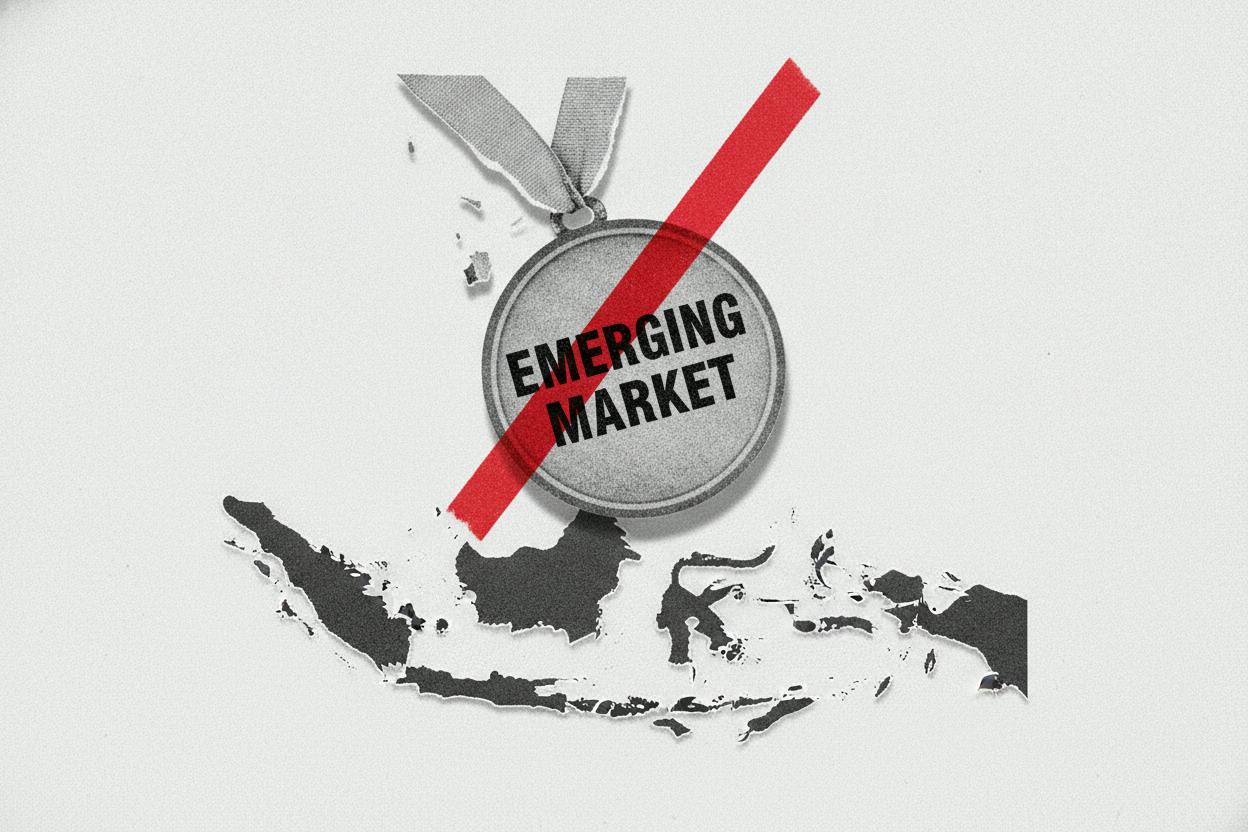
MSCI, the company whose indexes guide trillions of dollars in global investments, has put Turkey and Indonesia on notice: fix your trading transparency or risk losing your “emerging market” status. The warning, issued after reviews of both markets, has already rattled investors and could lead to billions of dollars in forced selling.
Why MSCI’s labels matter
MSCI’s classifications are more than just labels. Many index funds—both exchange-traded funds and mutual funds—are built to mirror MSCI’s benchmarks. When a country is included in an index, those funds must hold its stocks. When a country is downgraded, those same funds are forced to sell, often regardless of whether the underlying companies are doing well.
For Indonesia, MSCI said reforms have been too slow. The company had already frozen some index changes earlier this year and now says it is considering moving the country to “standalone” status—a category with far less global investor demand. For Turkey, MSCI has paused certain index changes and said it needs more time to judge reforms, but warned it could shift the market to “frontier” status if there is not enough progress by mid-2027.
Frontier markets are generally smaller, less liquid, and less accessible than emerging markets. A move there would mean many funds that track emerging markets would no longer be allowed to hold Turkish stocks.
The potential fallout
Wall Street banks estimate the combined hit from passive outflows could run into several billion dollars. Active managers could add to the pressure if uncertainty drags on, as they may reduce exposure to avoid being caught in a forced-selling wave.
Turkey’s mid-2027 MSCI deadline coincides with new limits on holdings of illiquid stocks and tougher rules for portfolio managers. These measures can reduce the market’s ability to absorb selling. If investors pull money, funds may have to raise cash quickly to meet redemptions, which can turn ordinary risk-off moves into forced selling and wider price gaps.
That liquidity-and-redemptions dynamic is why MSCI-related uncertainty can translate into “air pockets” in prices, especially in the most flow-sensitive corners of the market, including banks. In that setup, downside scenarios like Silk Invest CEO Zin Bekkali’s “worst-case” view of another 20%-30% drop become easier to imagine, even without a big shift in fundamentals.
What it means for investors
For everyday investors, the key takeaway is that index changes can have outsized effects on specific markets. If you hold funds that track MSCI emerging markets indexes, you may see volatility in your portfolio as these changes are debated. But it’s important to remember that these are potential downgrades, not immediate ones. Indonesia and Turkey still have time to address MSCI’s concerns.
For those with direct exposure to Indonesian or Turkish stocks, the uncertainty itself is a risk. Even if a downgrade never happens, the mere possibility can keep a lid on valuations and make these markets more volatile.
MSCI’s decision will be watched closely by investors who follow Indonesia's market review and Turkey's index freeze. The broader emerging market landscape is also in focus, as stablecoin expansion into emerging markets and AI jitters and oil prices continue to influence investor sentiment.
For now, the message from MSCI is clear: transparency matters. Countries that want to attract global capital need to ensure their markets are fair and open. For Turkey and Indonesia, the clock is ticking.