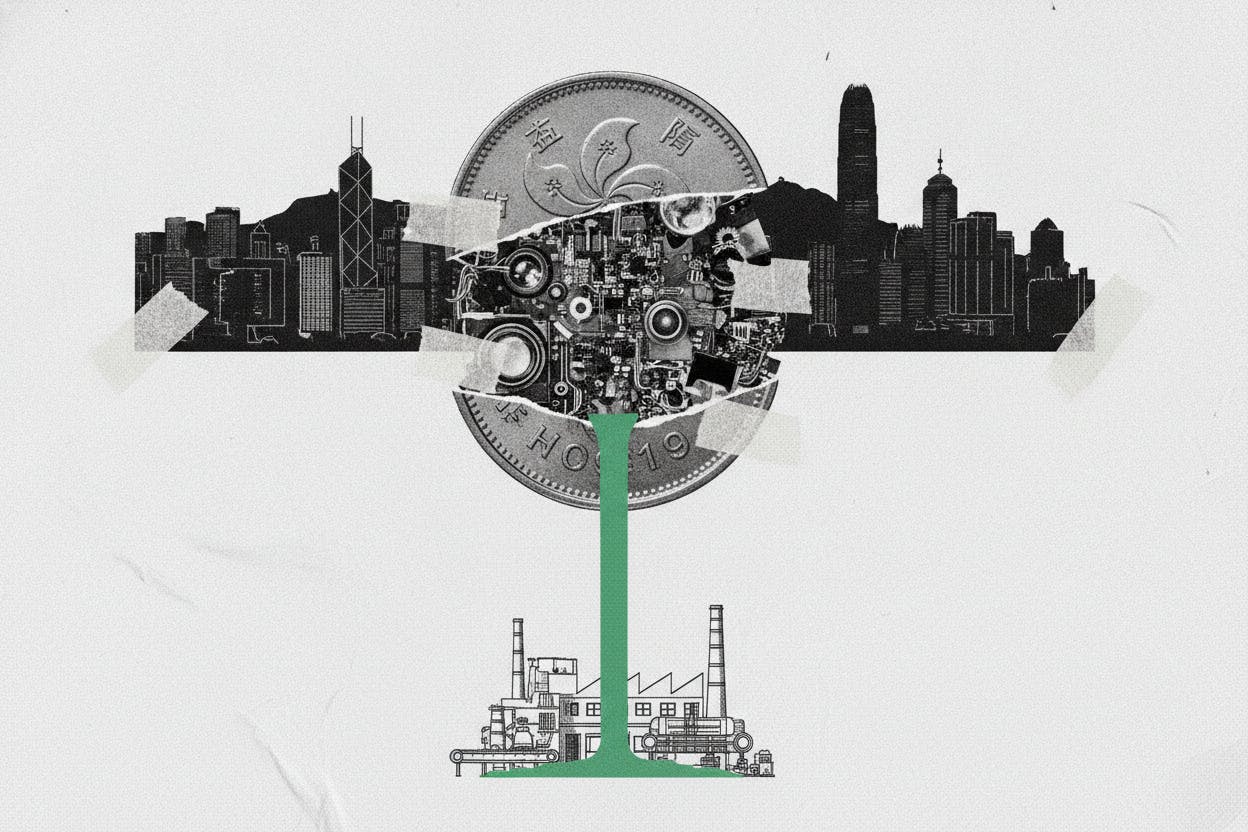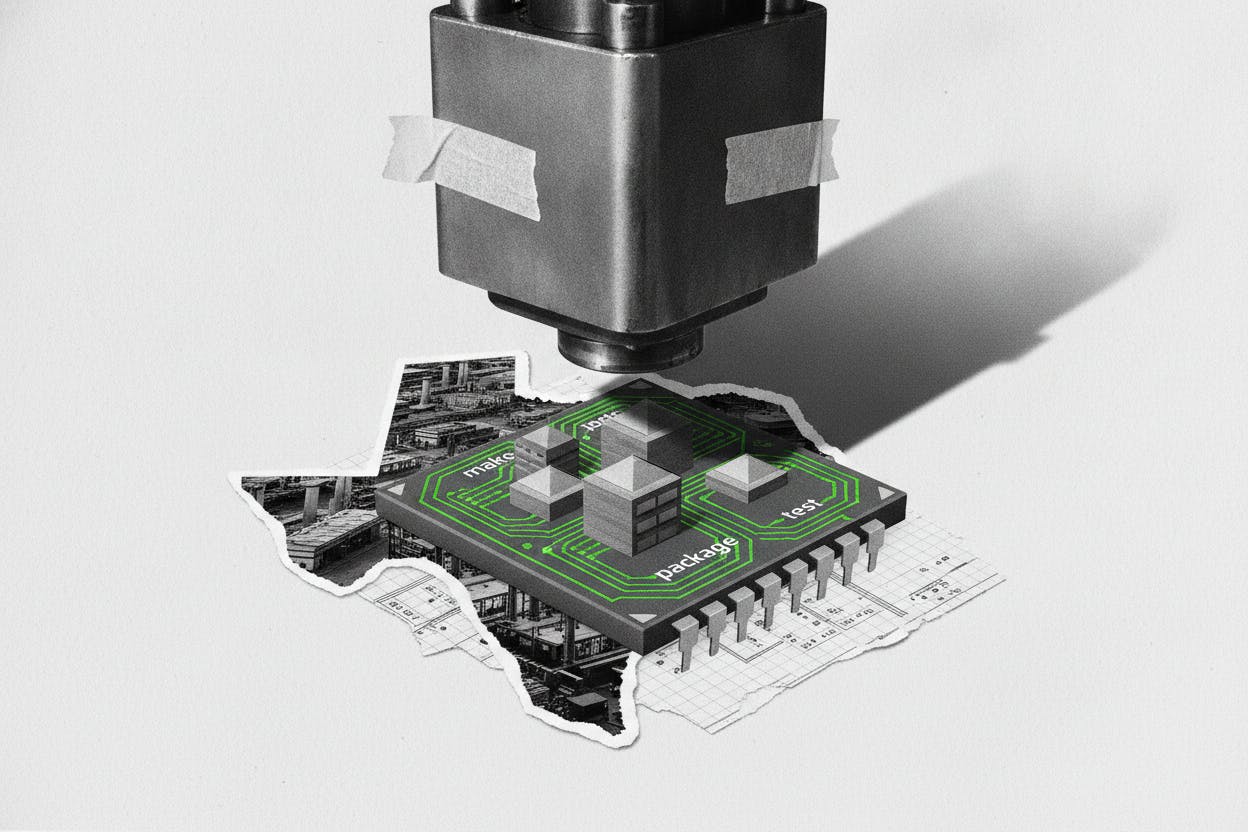
Elon Musk's SpaceX and Tesla have unveiled plans for a massive new facility in Texas dedicated to making, packaging, and testing advanced computer chips. The project, dubbed "Terafab," would occupy a staggering 100 million square feet in Grimes County and carry an initial price tag of $16.8 billion.
The companies say the complex is designed to handle every stage of semiconductor production under one roof—from fabrication to final testing. That kind of vertical integration is rare in the chip industry, where design, manufacturing, and assembly are usually split across different firms and even different countries.
Why build a chip plant?
The move is a bid to control a critical bottleneck. Advanced chips are hard to source at scale, and demand has exploded as artificial intelligence workloads grow. Tesla needs powerful processors for its autonomous-driving computers and humanoid robots, while SpaceX relies on data-heavy systems for satellites and spacecraft.
By building its own capacity, Musk's companies aim to reduce dependence on outside suppliers and ensure they get the chips they need, when they need them. That's a strategy other tech giants have pursued—Apple designs its own chips, and Amazon and Google have developed custom silicon for their data centers.
The plan is unusually ambitious even by those standards. SpaceX has said later phases could push the total investment far beyond the initial $16.8 billion. A filing in May outlined a starting proposal of $55 billion, with the potential to reach $119 billion over time. That would make Terafab one of the largest industrial projects ever undertaken in the United States.
What it means for investors
For everyday investors, the announcement is a reminder of how central AI hardware has become to corporate strategy. Companies are spending enormous sums to secure chip supply, and that spending is reshaping industries from autos to aerospace.
But the scale of the project also carries risks. Building a chip plant is notoriously expensive and complex, and delays or cost overruns are common. The initial $16.8 billion is already a huge commitment, and the potential $119 billion figure would strain even the deepest pockets.
Investors should also note that the project is tied to the broader AI trade, which has seen wild swings in recent months. SpaceX's stock recently dropped 8.6% despite a strong second quarter, partly because its AI plans are linked to Nvidia, a company whose own stock has been volatile.
For Tesla shareholders, the Terafab could eventually lower costs and improve supply security for its robotics and self-driving efforts. But it will take years to build and start producing chips, so any payoff is likely a long way off.
Texas as a tech hub
The choice of Texas is notable. The state has become a magnet for tech and manufacturing investment, thanks to its business-friendly regulations, abundant land, and growing power grid—though that grid has faced stress during extreme weather. Power demand in Texas hit a record 91 gigawatts recently, and a chip plant of this size would add significant load.
Grimes County, located northwest of Houston, is largely rural, which could ease land acquisition but also raise questions about infrastructure and workforce. The project would likely bring thousands of construction and engineering jobs, but also strain local resources.
Investors watching the broader trend of chip manufacturing returning to the U.S. may see Terafab as another sign of that shift. Government incentives, such as the CHIPS Act, have encouraged domestic production, but this project appears to be privately funded.
What to watch next
Key questions remain: How will the companies finance the project? Will they secure the necessary permits and power? And can they execute on such an ambitious timeline?
For now, the announcement is more vision than reality. But it underscores a clear strategic direction: Musk's companies are betting big on vertical integration to stay ahead in the AI race. Retail traders have already shown interest in SpaceX's stock, and this news could fuel further enthusiasm.
As with any major capital project, the risks are real. But for investors, the Terafab is a signal that the AI infrastructure boom is far from over—and that the biggest players are willing to spend billions to control their own destiny.