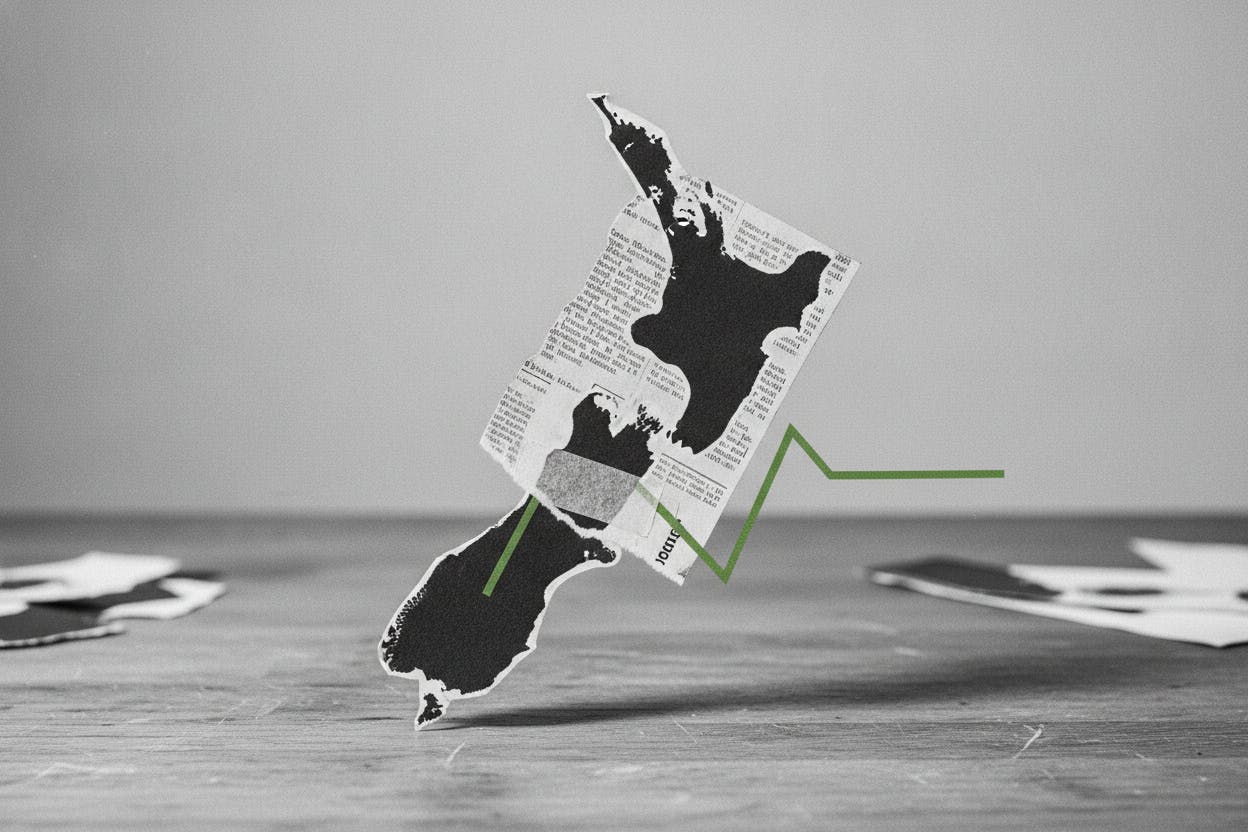
New Zealand consumers are feeling a bit more upbeat, but they're not ready to open their wallets for major purchases just yet. The latest ANZ-Roy Morgan survey, released Friday, showed the country's consumer confidence index climbed 8 points to 99.3 in July, a solid rebound from the recent low in April. However, the reading remains below January's peak, and lingering inflation fears—along with volatile oil prices—are keeping households cautious.
Confidence bounces back, but still below early 2024 highs
The index, which measures how households feel about their finances and the economy, now sits just shy of the 100 mark that separates optimism from pessimism. ANZ Research noted that the July jump is a welcome improvement after confidence hit a trough in April, but it's still 8 points below the January high. That gap suggests the recovery in sentiment is fragile and could easily be derailed by fresh economic shocks.
Consumer confidence is a closely watched indicator because it often signals future spending patterns. When people feel good about their job prospects and financial situation, they tend to spend more, which drives economic growth. Conversely, persistent caution can weigh on retail sales and broader activity.
Inflation expectations stuck at 4.6%
The biggest sticking point for households remains inflation. The survey showed that inflation expectations held steady at 4.6%—well above the Reserve Bank of New Zealand's target range of 1% to 3%. That matters because when consumers expect prices to keep rising rapidly, they may demand higher wages, and businesses may feel more comfortable raising their own prices. That dynamic can make it harder for the central bank to bring inflation back under control.
High inflation expectations also eat into purchasing power. Even if nominal incomes rise, real spending power shrinks when prices climb faster. That's one reason why, despite the uptick in confidence, households are still hesitant to commit to big-ticket items like cars, appliances, or home renovations.
Oil price swings add to uncertainty
Adding to the nervousness, global oil prices have been swinging sharply in recent weeks. Crude oil is a key input for transport and manufacturing, so volatile prices create uncertainty about future costs for both businesses and consumers. When petrol prices jump, households have less to spend on other goods, and businesses may delay investment decisions.
The oil market has been buffeted by a mix of supply concerns, geopolitical tensions, and shifting demand expectations. For New Zealand, a net importer of oil, these swings can feed directly into domestic inflation and consumer sentiment.
What it means for investors
For investors, the July confidence data offers a mixed picture. The rebound is a positive sign that the economy may be stabilizing after a rough patch earlier this year. But the persistence of high inflation expectations and cautious spending behavior suggests the recovery will be gradual at best.
Investors should watch for upcoming data on retail sales and housing activity to see whether the improvement in sentiment translates into actual spending. If households remain reluctant to make large purchases, companies in discretionary sectors—like retailers, car dealers, and home builders—could continue to face headwinds.
The inflation outlook is also critical for the Reserve Bank of New Zealand's policy path. If inflation expectations stay elevated, the central bank may need to keep interest rates higher for longer, which would further squeeze borrowing and spending. That could weigh on the broader economy and corporate earnings.
For context, similar trends are playing out in other economies. In the US, consumer confidence dipped in July as trade tensions and inflation concerns persisted, while the US economy grew 1.5% in Q2 as consumer spending surged but inflation stayed hot. In Australia, consumer confidence hit a six-week low as inflation fears rose. And New Zealand's own job market is cooling, with ANZ forecasting higher unemployment and slower wage growth.
The bottom line
The July confidence bounce is a welcome development for New Zealand's economy, but it's not yet a clear signal that households are ready to spend freely. Until inflation expectations come down and oil price volatility eases, caution is likely to remain the watchword for both consumers and investors.