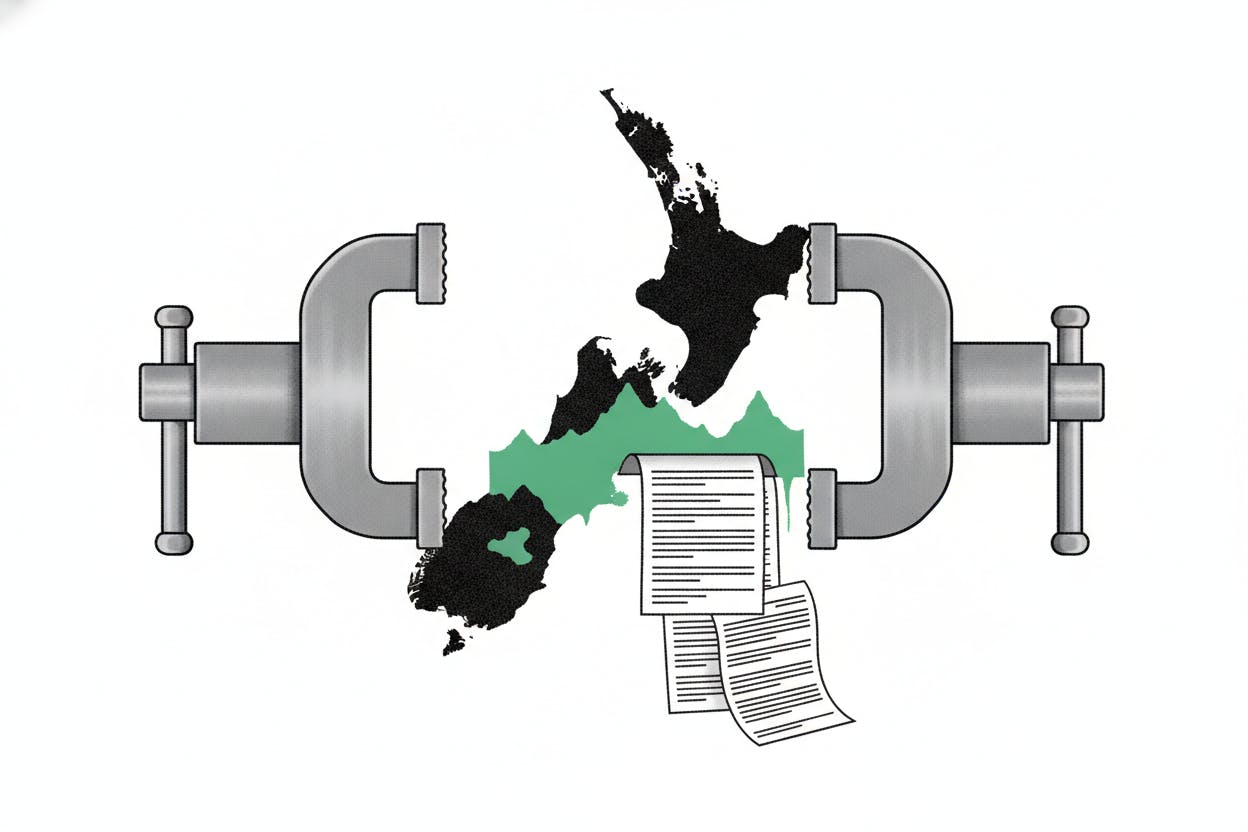
New Zealanders are pulling back on borrowing, and more households are falling behind on repayments, according to the latest data from credit bureau Centrix. The figures paint a picture of a cautious consumer and a slowing credit market, with high borrowing costs continuing to weigh on household finances.
Centrix reported that business credit demand fell 0.8% from a year earlier, while consumer credit demand dropped 7.3% as elevated interest rates keep people wary of taking on new debt. The housing market is feeling the pinch too: new mortgage lending fell almost 12% in the July quarter, contributing to an overall decline of roughly 11% in new household lending compared with the same period last year.
What's driving the slowdown?
The Reserve Bank of New Zealand has kept interest rates at restrictive levels to combat inflation, and that is filtering through to borrowing behaviour. When rates are high, monthly repayments on new loans become more expensive, which naturally discourages households and businesses from taking on additional debt. This is a familiar pattern in economies where central banks are trying to cool price pressures.
Consumer arrears—the share of loans that are behind on payments—rose to nearly 11%. That means more than one in ten consumer credit accounts is overdue, a sign that some households are struggling to keep up with their obligations. While arrears rates can fluctuate seasonally, a sustained rise often signals financial stress among borrowers.
The drop in new mortgage lending is particularly notable because housing is usually one of the largest drivers of household debt. A nearly 12% fall in the July quarter suggests that potential homebuyers are either waiting for lower rates or are unable to qualify for loans at current levels. It also reflects softer property market conditions, as higher mortgage rates cool demand.
What it means for investors
For everyday investors, these trends are worth watching because they offer clues about the health of the New Zealand economy. When credit demand weakens, it often points to slower consumer spending and reduced business investment, which can weigh on corporate earnings and economic growth.
Banks and other lenders may see their loan books grow more slowly, and rising arrears could lead to higher provisions for bad debts. That could pressure their profit margins. On the other hand, if the central bank begins to cut interest rates later this year, borrowing could pick up again, which would be a positive signal for lenders and the broader economy.
The data also ties into broader regional trends. In Australia, consumer confidence has slipped as inflation worries persist, suggesting that households across the Tasman are also feeling the squeeze. Similarly, Japan's factory growth is accelerating on AI and chip demand, but that is a different story—one where export-oriented industries are benefiting from global tech spending.
For now, the New Zealand credit data suggests that households are prioritising paying down existing debt over taking on new obligations. That is prudent behaviour, but it also means less fuel for economic expansion. Investors should keep an eye on upcoming inflation figures and any signals from the Reserve Bank about the future path of interest rates, as those will likely determine whether credit demand rebounds or continues to slide.
In the meantime, the rise in arrears is a reminder that not all borrowers are equally positioned to weather high rates. While some households have built up savings buffers during the pandemic, others are more exposed to rising mortgage costs. This divergence is something lenders and investors will be monitoring closely.
Overall, the Centrix data underscores the delicate balance central banks must strike: keeping rates high enough to tame inflation without tipping the economy into a downturn. For New Zealand, the current slowdown in credit demand is a sign that the tightening cycle is having its intended effect—but it also raises questions about how much longer households can absorb the strain.